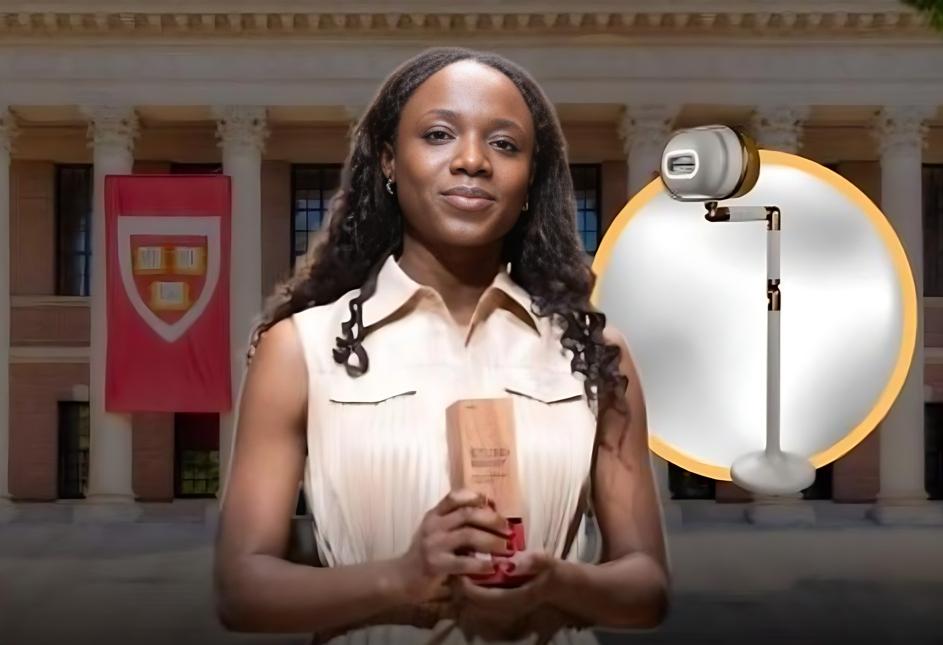
*Yinka Ogunbiyi, a Harvard-trained engineer and founder of HaloBraid, is drawing attention on X with a hair-braiding robot designed to help stylists finish braids faster. A demonstration video has prompted reactions ranging from excitement about the invention to concerns about hair damage, braid quality, and whether the technology is worth the investment.
The device promises to cut braiding appointments in half while reducing the repetitive work that can leave stylists physically exhausted. But some X users want a closer look at the finished results before they’re ready to trust a machine with their hair.
How HaloBraid Works
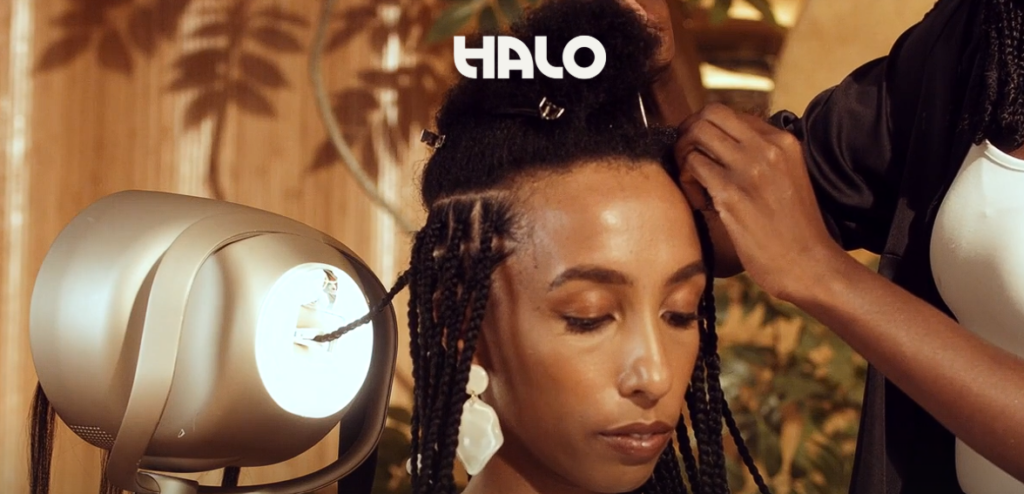
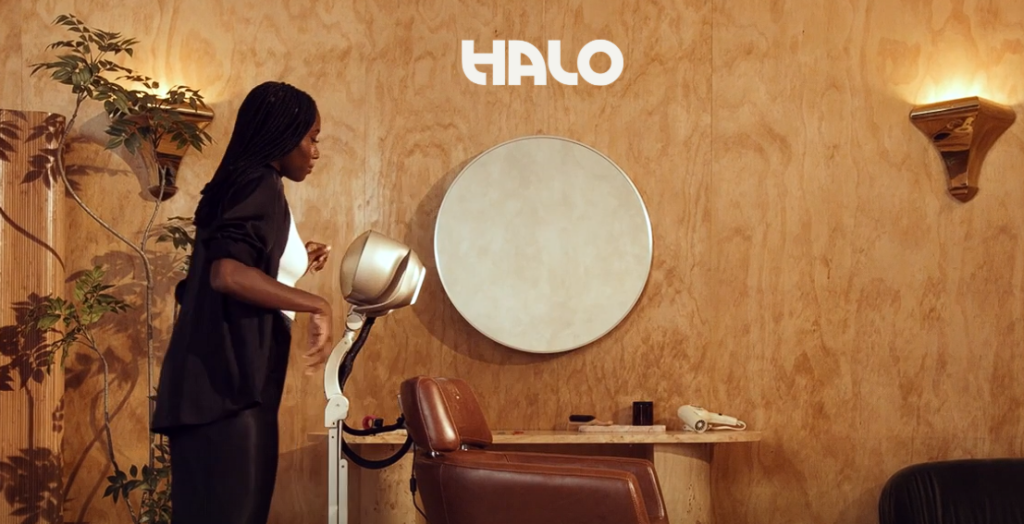
HaloBraid doesn’t eliminate the hairstylist from the process. Instead, the standing device works alongside professional braiders, who section the hair and begin each braid by hand before transferring it to the machine.
According to the HaloBraid website, the device uses airflow to guide hair into braiding channels and continue the braid. The company says its technology matches the stylist’s technique and releases the hair without excessive pulling or strain.
The device supports knotless and box braids, two popular styles that can require hours of detailed work. HaloBraid claims its technology can reduce a six-hour appointment to roughly three hours.
Scroll to continue reading






Twitter Users Question the Robot’s Safety and Results
Not everyone watching the technology is convinced that faster automatically means better. Some X users are questioning how the device handles different hair textures, whether it produces neat braids and what happens if something goes wrong.
“Not being a hater but I need to see a close up of the braid and the process. I don’t care for messy braids,” wrote @jenngradybklyn. The commenter also suggested a handheld version might be more practical, even if stylists still needed to start each braid themselves.
Another user expressed concern about what could happen if the equipment malfunctioned. “No thanks. Until it malfunctions and drags my braids with too much force. Hand braiding for life,” wrote @NaijaGoldaMeir.
Others see considerable business potential in the invention, particularly if it delivers on its promises. “They’re going to make a fortune,” predicted @cturnbull1968, while @Bluezbw called automated braiding a difficult engineering challenge and questioned how the technology would handle different hair types.
The discussion also touched on whether Black women innovators receive the recognition they deserve. User @CfcHenry001 questioned whether some criticism reflected a double standard, suggesting the response might differ if a prominent white technology entrepreneur had invented the device.
These comments reflect individual reactions rather than established safety or performance problems. HaloBraid maintains that its technology is designed to handle hair gently, but the questions highlight what some potential customers want answered before trying it.
Why Yinka Ogunbiyi Invented HaloBraid
Ogunbiyi’s inspiration came from a frustrating experience during the COVID-19 pandemic. Unable to visit a braider, she attempted to install knotless braids herself and spent four days completing the hairstyle.
“It was then that I asked, ‘Where is the device to make this faster for me?’” she recalled in a July interview with theGrio.
Rather than wait for someone else to invent the technology, Ogunbiyi began developing it with co-founder David Afolabi. Their research included conversations with 200 stylists, surveys of more than 2,200 braid wearers and the creation of more than 600 prototypes.
The entrepreneur told theGrio that the project addresses the problem of lengthy salon visits. She also wants to reduce the physical strain on professional braiders, some of whom described chronic pain and repetitive stress injuries after years of working with their hands.
“We built this with stylists at the core of everything that we’re doing. We built this to assist stylists, not to replace them,” Ogunbiyi said.
Investors Bet $7 Million on Faster Braiding
HaloBraid secured $7 million in seed funding in June, led by Seven Seven Six, the venture capital firm founded by Reddit co-founder Alexis Ohanian. TechCrunch reported that AlleyCorp and Bling Capital also participated in the funding round.
Ohanian, who is married to tennis legend Serena Williams, has firsthand experience with lengthy braiding appointments through his family. He told TechCrunch that his oldest daughter enjoys the experience initially, but nine-hour sessions can test everyone’s patience.
The investment will help HaloBraid develop its technology, prepare for manufacturing and establish salon partnerships. The company previously announced plans to introduce the device through salon pop-ups in the Northeast this fall, with more than 7,000 salons reportedly on its waiting list.
Still, important questions remain about the device’s cost, availability, and performance across different hair types. Its potential appeal is clear, but widespread adoption will depend on whether stylists and customers find the results reliable and the experience comfortable.
For Ogunbiyi, the goal extends beyond one braiding machine. She envisions developing additional technology for textured hair, including tools that could eventually help remove braids.
Whether HaloBraid becomes a salon staple remains uncertain, but the discussion surrounding the demonstration reveals something important. People are interested in spending less time getting their hair braided, yet they still want the quality, comfort and personal care they expect from a skilled stylist.
MORE NEWS ON EURWEB.COM: Yinka Ogunbiyi’s HaloBraid Aims to Cut Braiding Time from Hours to Minutes
Sign up for our Free daily newsletter HERE