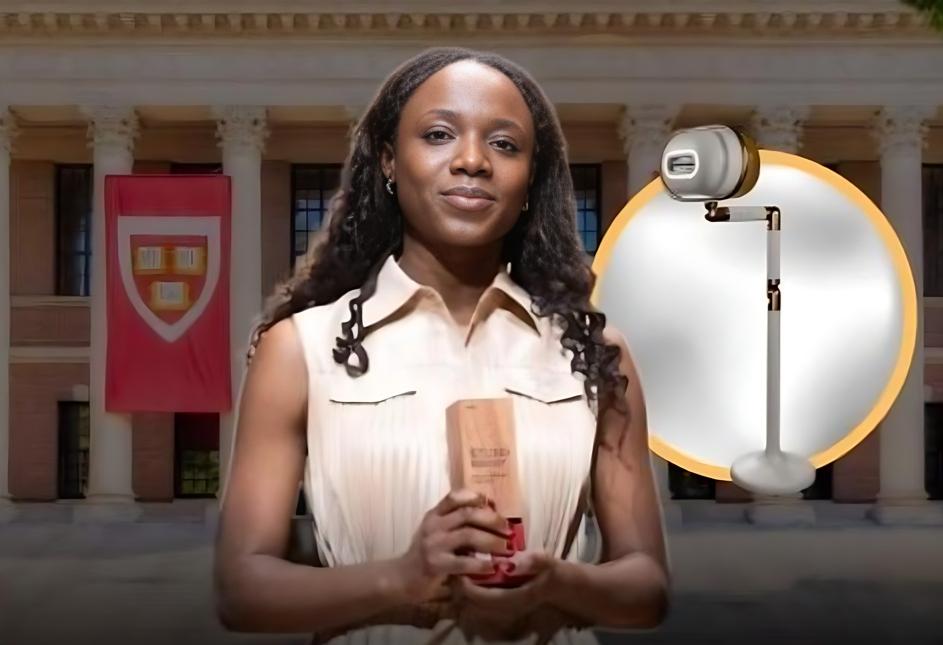
*For millions of braid wearers, getting a new style can mean spending an entire day in a salon chair. For the stylists creating those looks, it often means hours of repetitive work that can take a serious physical toll.
Yinka Ogunbiyi believes technology can change that.
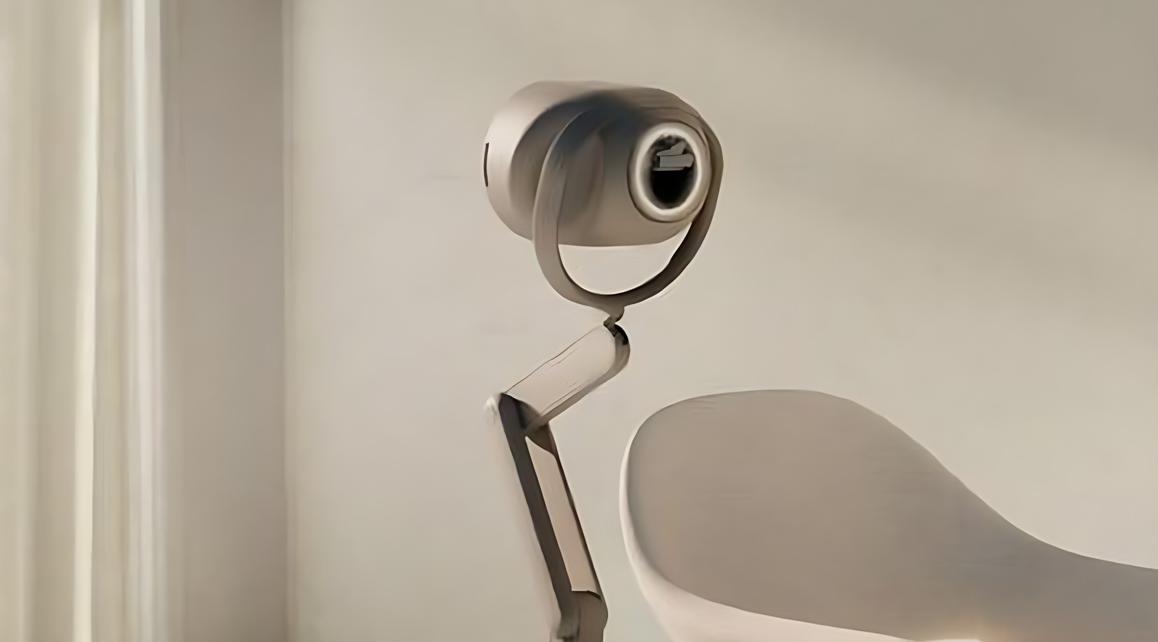
The entrepreneur and engineer is the founder and CEO of Halo, the company behind HaloBraid, a patent-pending braiding-assist device designed to help stylists complete braiding significantly faster while maintaining creative control over the finished style.
The idea came from a deeply personal experience. During the COVID-19 pandemic, Ogunbiyi attempted to braid her own hair for the first time. The process took four days and left her wondering why one of the world’s oldest beauty practices remained so labor-intensive.
“It really reminds me of sewing by hand, and the sewing machine was invented a hundred years ago, so I was just like, where are the machines to make this process faster and more efficient?” she said.
Scroll to continue reading







That question ultimately led to HaloBraid.
Braiding’s Time Problem
Braiding remains one of the most popular protective hairstyles, yet the process itself has changed little over thousands of years.
According to Halo, roughly 8 billion hours are spent braiding hair each year. Individual appointments can last six hours or longer, requiring clients to devote much of a day — and sometimes an entire weekend — to a hairstyle that typically lasts only six to eight weeks.
The demand for braids continues to grow, but many stylists say keeping up comes at a cost. Some report working late into the night to accommodate clients, while others have left the profession because of the physical strain associated with repetitive braiding.
For professional braiders, the challenge extends beyond time. The repetitive hand movements required to complete intricate styles can contribute to physical strain, carpal tunnel syndrome and early-onset arthritis.
HaloBraid was developed to address both issues.
The device allows stylists to start each braid by hand before the technology assists with the repetitive portion of the process. Halo says the device can complete that phase up to five times faster while matching a stylist’s preferred braiding technique.
“Braiding is more popular than ever but the way we braid hasn’t changed,” Ogunbiyi said. “It’s still time-consuming and painful for stylists and clients alike.”
From Personal Frustration to Innovation
Ogunbiyi approached the challenge from a unique perspective.
A biomechanical engineer and repeat hardware entrepreneur, she previously co-founded Desora, where she helped develop patented smart cooking devices and bring advanced consumer hardware products to market. She holds a bachelor’s degree, master’s degree and MBA from Harvard University.
Her goal was not to replace braiders but to create a tool that could make their work more sustainable.
The company says stylists maintain full creative control over the finished hairstyle, using HaloBraid to speed up only the most repetitive portion of the process. Stylists begin each braid by hand, and the device is designed to finish the repetitive section while preserving the stylist’s technique and overall look.
A Faster Future for Stylists
Halo believes demand for faster braiding services is already there.
In a company survey of 2,000 braid wearers, 95% said they would get their hair braided more often if the process required less time.
For clients, the promise of HaloBraid is simple: less time spent sitting in a salon chair. For stylists, the potential benefits could be even greater.
By reducing the most repetitive portion of the braiding process, HaloBraid could allow stylists to serve more clients without extending their workdays while helping reduce the physical wear and tear associated with years of braiding.
“We designed this with stylists, using their perspective to build a product that supports them, without replacing them,” Ogunbiyi said. “We’re excited to help stylists and clients reclaim their time in and behind the chair.”
Why Investors Are Taking Notice
Investors see an opportunity to modernize a service that millions of people rely on but that has experienced relatively little technological innovation.
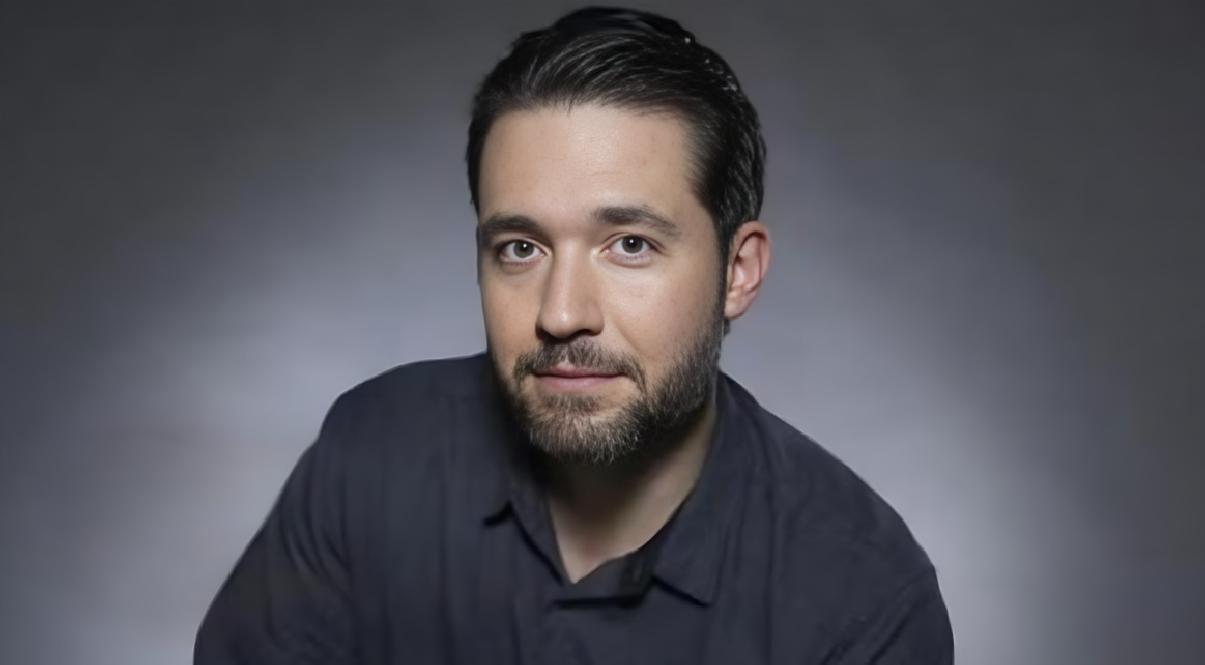
Halo recently secured $7 million in seed funding led by Alexis Ohanian’s venture capital firm 776, with participation from AlleyCorp and Bling Capital. The funding will support product development, stylist testing, manufacturing readiness and salon partnerships as the company prepares for launch later this year.
“As an investor, I look for founders that see something broken that everyone else has accepted as fixed,” Ohanian said. “Braiding is a perfect example.”
Beyond HaloBraid
While HaloBraid is the company’s first product, Ogunbiyi says the company’s ambitions extend much further.
Halo plans to build a broader portfolio of technology designed specifically for textured hair, an area she believes has not received enough innovation despite serving millions of consumers worldwide.
“Innovation in this category is long overdue,” Ogunbiyi said. “HaloBraid is our first product, but our larger vision is to create breakthrough technology that makes textured hair care faster, easier, more comfortable, and more joyful.”
(If You Like/Appreciate This EURweb Story, Please SHARE it!)
MORE NEWS ON EURWEB.COM: Sierra Leone First Lady Faces Scrutiny Over Alleged Support for Female Genital Mutilation
We Publish Breaking News 24/7. Don’t Miss Out! Sign up for our Free daily newsletter HERE.