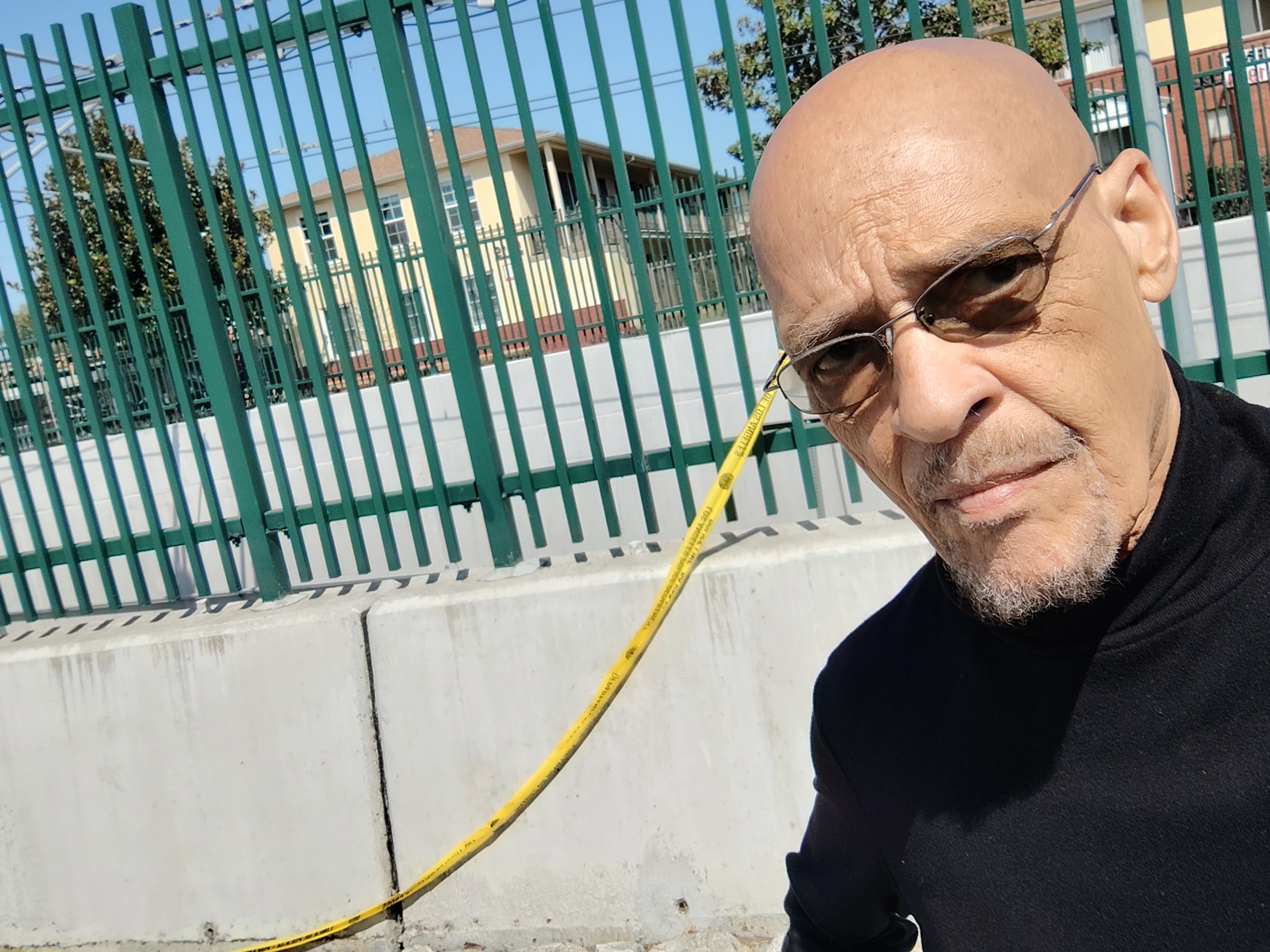
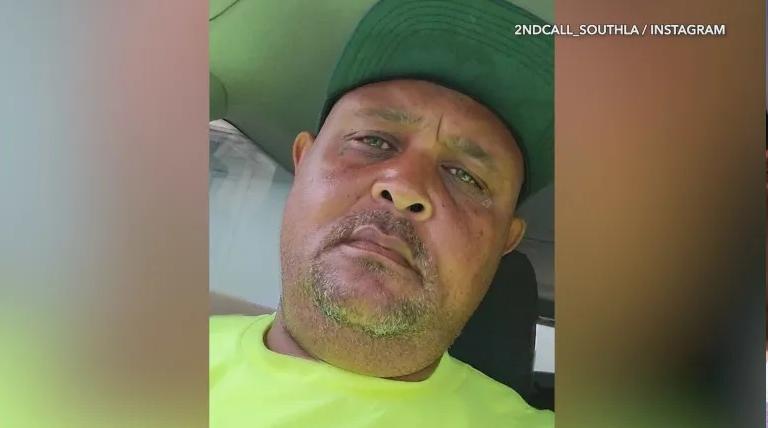
*You can’t find one negative word written or spoken about Reginald Foreman. Yet on August 6, he was shot dead in the Hyde Park area of South Los Angeles. Foreman was a community activist, violence prevention counselor, and a well-known and respected presence in South Los Angeles.
His murder came close on the heels of a spate of murders in Compton. And in the days in between several other murders were reported in South L.A. They all have one thing in common. The victims were Black and almost certainly their killers were other Blacks. This touched off yet another round of soul searching among many Blacks as to why murder continues to be a chronic plague in far too many Black communities.
The hand wringing over this deadly problem is even more troubling given that the overall murder rate for the nation has plunged in the past decade. L.A. is no exception. According to LAPD reports, the number of murders in 2025 dropped to near record level lows.
Yet that was not the case in South L.A. The murder rate there remains tops in the city. It’s a pattern that has remained stubbornly constant yearly.
The dangling question again is why so many young, and not so young, Black males, such as Foreman (who was 51), strap guns to their waists and wantonly kill or are killed by each other. Annual reports on murder violence show that the murder rate among Blacks is multiple times greater than among whites. Even more astounding, if the Black murder rate was excised from the U.S. murder rate figures, the country’s murder rate would be comparable to the rock-bottom murder rate in some European countries.
Scroll to continue reading









The hard fact is that plopping more police on the street, legions more prosecutors, the still pervasive three-strikes and mandatory sentencing laws, the death penalty, and putting more than one million Blacks behind bars have done little to curb the Black-on-Black carnage. Nor will simplistic calls for tougher gun control curbs, though they should be made. Los Angeles has one of the toughest gun control statutes on the books, and it didn’t save Foreman or other victims.
Despite the pet theories of liberals and conservatives, Blacks aren’t killing each other because they are violent or crime-prone by nature, or solely because they are poor and oppressed. Or even because they are acting out the obscene and lewd violence they see and hear on TV, films and gangster rap lyrics.
The violence results from a combustible blend of cultural and racial baggage many Blacks carry.
In the past, crimes committed by Blacks against other Blacks were often ignored or lightly punished. Many studies have confirmed that the punishment Blacks receive when the victim is white is far more severe than if the victim is Black. The implicit message was that Black lives are expendable. Though many police departments now make a much more diligent effort to apprehend suspects in Black killings, the pressure remains to put the same resources into arrests of suspects in these cases as happens when the victim is white.
Yet the perceived devaluation of Black lives encourages disrespect for the law and has forced many Blacks to internalize anger and displace aggression onto others.
Many young Black males have become especially adept at acting out their frustrations at white society’s denial of their “manhood” by adopting an exaggerated “tough guy” role. They swagger, boast, curse, fight, and commit violent, self-destructive acts.
When many Black males indulge their murderous impulses on other black males, they are often taking out their pent-up frustrations on those whom they perceive as helpless and hapless. This is a twisted and warped response to racism and deprivation, blocked opportunities, powerlessness and alienation.
The other powerful ingredient in the deadly mix of Black-on-Black violence is the gang and drug plague. There was some speculation that the murder of Foreman may be connected to old gang beefs. There is no evidence that this is the case. Still, that possibility remains. Gang violence is still a serious problem in South L.A. and in other low income Black and Hispanic neighborhoods.
In the wake of the Foreman slaying, the calls are heard again for quick arrests, tough prosecutions, and near-draconian imprisonment. That’s understandable. However, it will still take a coordinated effort by educators, health professionals, drug counselors, violence prevention specialists, gang intervention activists, victims of violence and local community activists and leaders, and most importantly, parents to stem the violence. They must devise and coordinate short- and long-term strategies and programs to provide jobs, training, better education, and boost the self-esteem of at-risk young blacks. Public officials must provide the political muscle and resources to implement these programs.
If young whites were killing other whites in the same high numbers as Blacks, the public and policymakers would declare a national crisis and rush to address it. The murder of Foreman and the dozens of others in Black communities demand the same response.
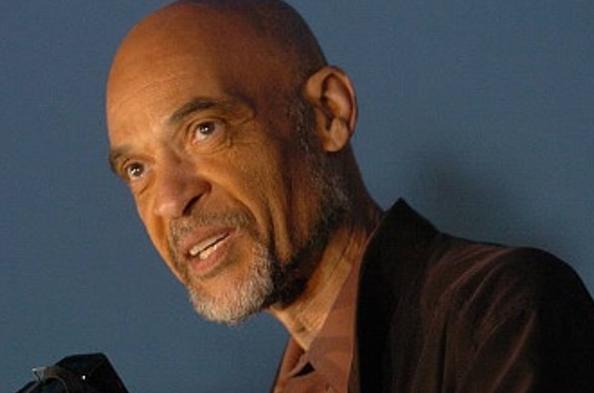
Earl Ofari Hutchinson is an author and political analyst. His forthcoming book is The Garbaging of America (Amazon ebook and Middle Passage Press)
He hosts the weekly news and issues commentary radio show The Hutchinson Report, Wednesdays 6 PM PST, 9 PM EST at ktymgospel.net
(If You Like/Appreciate This EURweb Story, Please SHARE it!)
MORE NEWS ON EURWEB.COM: It’s Time to Address Black on Black Crime … Again
We Publish Breaking News 24/7. Don’t Miss Out! Sign up for our Free daily newsletter HERE.