*The warning came more than two months before Florida’s primary: four Black candidates competing for the same congressional seat could divide the Black vote and hand U.S. Rep. Debbie Wasserman Schultz the Democratic nomination.
Tuesday night, that is essentially what happened.
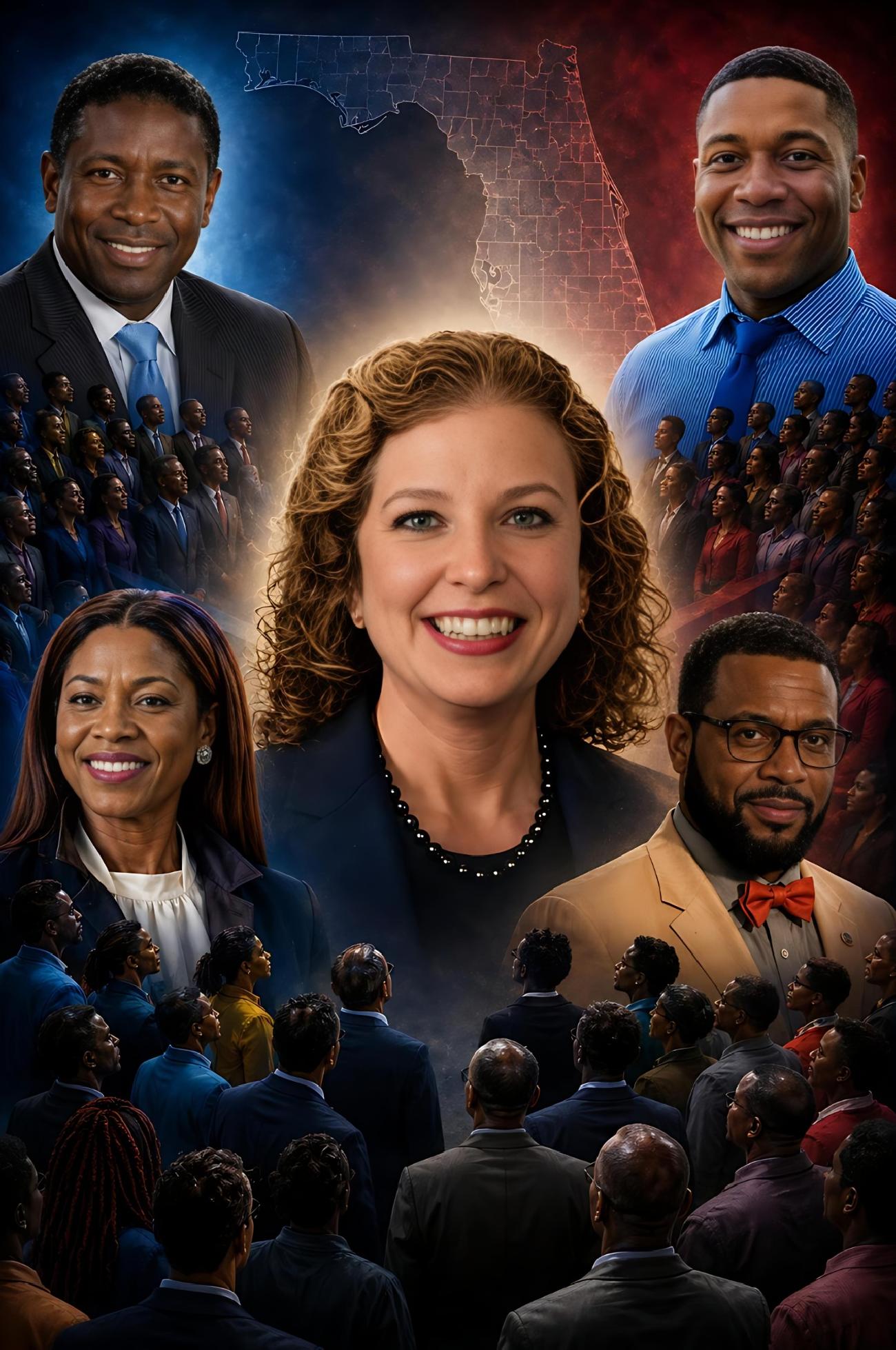
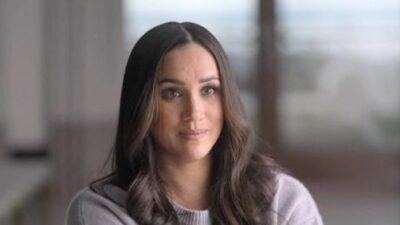
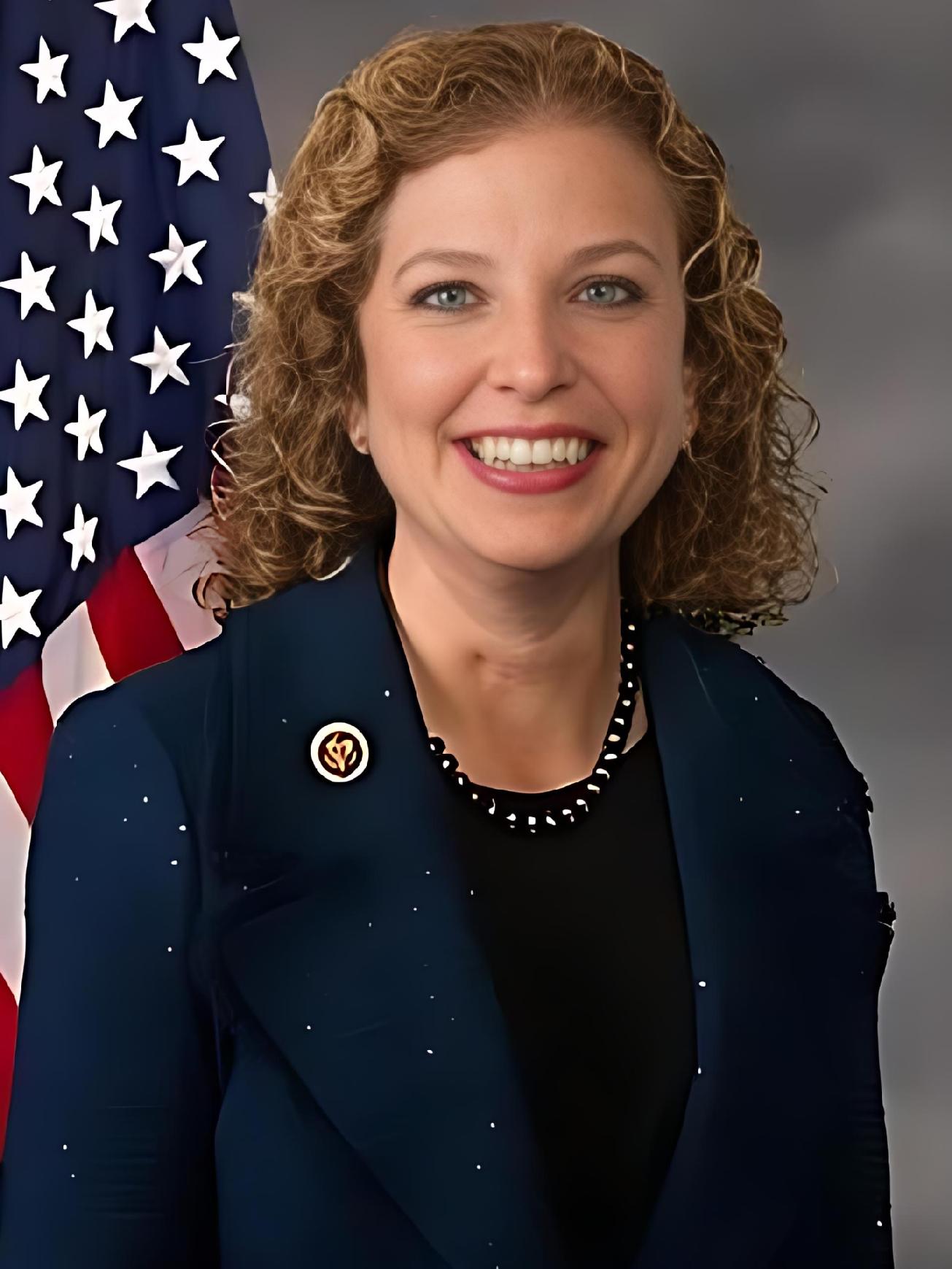
Wasserman Schultz won the Democratic primary in Florida’s newly redrawn 20th Congressional District with approximately 45.6% of the vote, defeating four Black candidates competing to represent a district that has sent a Black lawmaker to Congress for 34 years.
But there is a striking number underneath her victory.
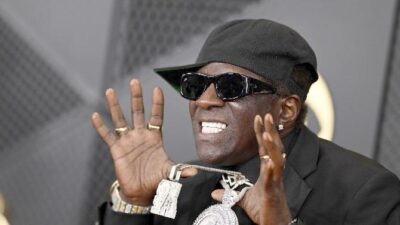
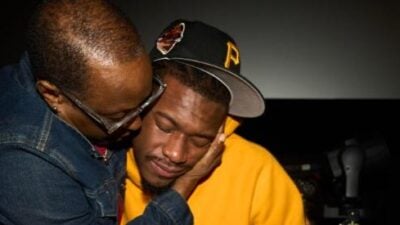
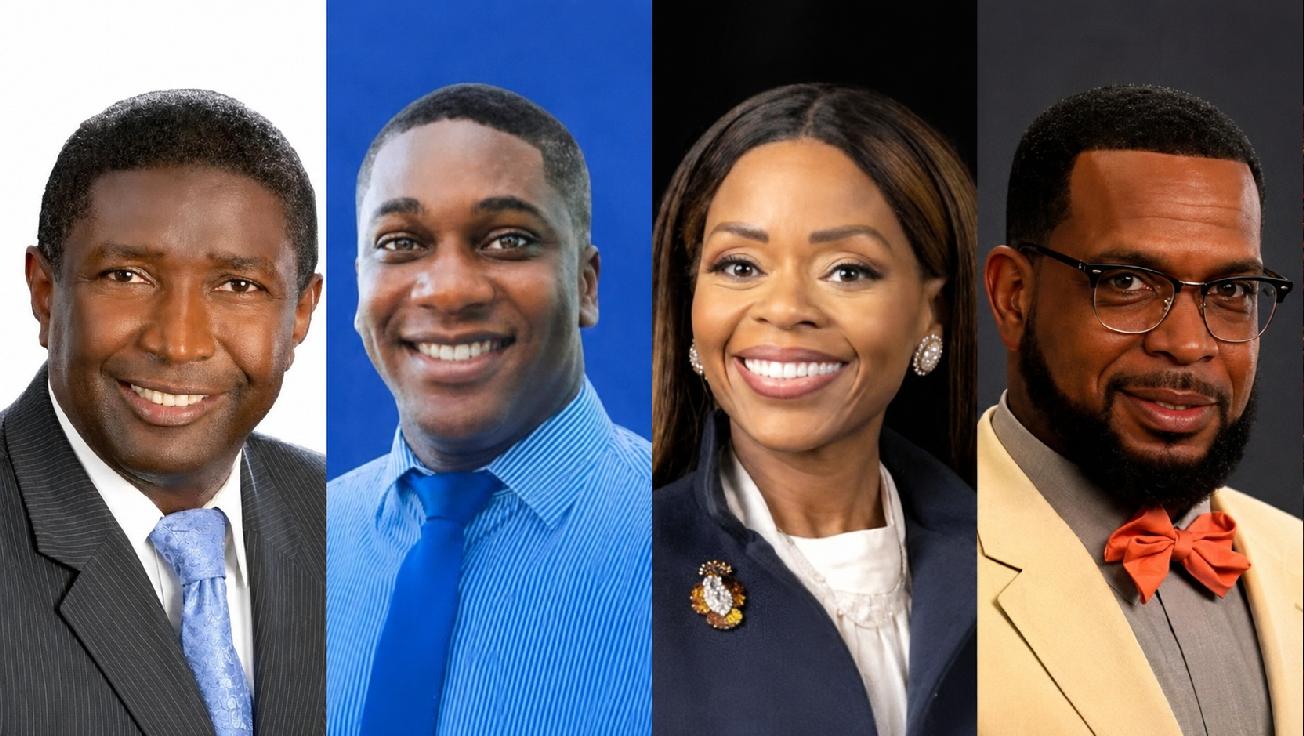
Former Broward County Mayor Dale Holness received approximately 22.9%, teacher and political activist Elijah Manley took 13.9%, former U.S. Rep. Sheila Cherfilus-McCormick received 9.2%, and rapper and community activist Luther “Uncle Luke” Campbell took 8.5%. Combined, that’s roughly 54.5% for the four Black candidates — versus 45.6% for Wasserman Schultz.
Scroll to continue reading






In other words, Wasserman Schultz won the nomination even though a majority of Democratic primary voters chose somebody else — and specifically chose one of the four Black candidates.
They Saw the Vote Split Coming
This wasn’t an unforeseen outcome.
Campbell, Holness, Manley and Cherfilus-McCormick met before Florida’s candidate filing deadline to discuss consolidating the field behind fewer Black candidates. The objective was straightforward: avoid dividing support in a district where Black representation had been a defining feature for more than three decades.
CBS News Miami reported in June that the four discussed having one or two candidates withdraw, but they couldn’t agree on who should remain before the filing deadline.
Manley said plainly what was at stake during a CNN appearance before the primary.
“It makes it easier for her to win when the black vote is split,” Manley said.
Holness described the dilemma this way: “Everybody thinks that they can be the one who will win.”
Campbell told CNN that the meeting itself was significant, calling it “an unprecedented move” by the four candidates to discuss who should represent the community.
Nobody blinked.
All four stayed.
Then came Tuesday.
Redistricting Created the Fight
The unusual Democratic showdown was itself a product of Florida’s new congressional map. Wasserman Schultz’s previous district was eliminated through Republican-led redistricting, and she chose to run in the newly configured 20th rather than disappear from Congress.
That decision immediately created tension.
The new 20th includes predominantly Black communities in central and western Broward County, including portions of Fort Lauderdale, Lauderhill, Lauderdale Lakes, Tamarac, North Lauderdale, Plantation, Sunrise and Pompano Beach. The Associated Press describes it as a plurality-Black district, an important distinction from calling it majority Black.
The district’s representation carries additional historical weight. For 34 years, the seat has been held by Black lawmakers.
Wasserman Schultz, however, entered with something none of her four Democratic opponents could match: decades in Congress, national name recognition, a formidable campaign operation and substantially greater financial resources.
Federal campaign filings showed her with millions in campaign receipts during the cycle, far exceeding the resources available to most of her challengers.
And when the votes were counted, the split they feared had become the outcome they couldn’t overcome.
Wasserman Schultz Built Her Own Coalition
Wasserman Schultz rejected the argument that the seat should effectively be reserved for a Black candidate and instead campaigned on experience, seniority and her ability to represent the district’s broader coalition.
After winning, she credited that coalition directly.
“Our campaign galvanized an unstoppable coalition of energized congregations, unions, LGBTQ+ advocates and proud Black, Caribbean and Hispanic communities,” Wasserman Schultz said in a statement reported by CBS News Miami.
She also told supporters Tuesday night that she wanted to “make all of you proud” and fight for residents struggling to pay their rent.
Wasserman Schultz will face Republican Brent Andersen and independent candidate Kedner Maxime in the Nov. 3 general election.
The Numbers Tell the Uncomfortable Part
The result lands differently when viewed alongside Florida’s other primary outcomes.
On the same night, Byron Donalds advanced toward potentially becoming Florida’s first Black governor, while Angie Nixon became the Democratic Senate nominee with a chance to become Florida’s first Black U.S. senator. Get the FULL story HERE at EURweb.
Yet in a congressional district represented by Black lawmakers for 34 years, four Black Democrats couldn’t agree on which one should step aside.
Their pre-election concern wasn’t hypothetical.
The final percentages show that collectively they had enough votes to surpass Wasserman Schultz by nearly nine percentage points.
Of course, votes cannot simply be transferred from four candidates to one, and there is no way to know how voters would have behaved in a consolidated race.
That’s the crucial qualification.
But the arithmetic still leaves one political reality staring back at the candidates who entered that room months ago hoping to prevent exactly this outcome:
They knew splitting the vote could make Wasserman Schultz easier to beat individually — and easier to elect collectively.
They split it anyway.
And in the end, the very outcome they feared became the one they helped produce.
(If You Like/Appreciate This EURweb Story, Please SHARE it!)
MORE NEWS ON EURWEB.COM: Former 2 Live Crew Rapper Luther ‘Uncle Luke’ Campbell Enters Race for Florida’s 20th Congressional District
We Publish Breaking News 24/7. Don’t Miss Out! Sign up for our Free daily newsletter HERE.