*Target’s January 2025 decision to roll back its Diversity, Equity, and Inclusion (DEI) programs sparked significant backlash, including a 40-day boycott led by Black activist groups.
According to Fortune, Target has experienced eight consecutive weeks of declining foot traffic. For the week of March 17, visits were down 5.7% year-over-year, following a 7.1% drop the previous week and an average 6.2% decline over two months, per Placer.ai data. The slump coincides with a boycott that ended on Easter, surpassing its goal of 100,000 participants with over 150,000 involved. The movement was championed by clergy such as Atlanta-based pastor Dr. Jamal Bryant and other activists, who criticized Target’s departure from its diversity commitments.
Target, based in Minneapolis—the city where George Floyd was killed in 2020— originally committed $2 billion to support Black-owned businesses. But on January 24, Pastor Bryant criticized the company’s decision to walk back both its DEI programs and that financial promise.
“After the murder of George Floyd, they made a $2 billion commitment to invest in Black businesses,” Bryant said in an interview with the Black Press’ Let It Be Known News. “That commitment was due in December 2025. When they pulled out of the DEI agreement in January, they also canceled that $2 billion commitment.”
Bryant called for a 40-day economic fast against Target over the retailer’s cutback on DEI. In the press release, the Senior Pastor at New Birth Baptist Church in Metro Atlanta urged 100,000 Black supporters to join the movement. The ‘FAST’ took place from March 3 to April 19, around the same time as Lent.
Scroll to continue reading




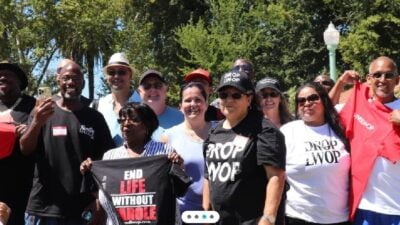


“Dr. Bryant’s FAST calls for immediate action: he is urging Black consumers to halt all purchases from Target and to divest any stock holdings in the company,” per the news release. “This aligns with the philosophy of Dr. Martin Luther King Jr., who championed economic restraint as a powerful form of protest during the Civil Rights Movement. Just as Dr. King and other civil rights leaders leveraged economic boycotts to challenge injustice, this FAST is a call for Black consumers to use their collective spending power to demand accountability from corporations.”
Bryant said Target’s role in the Black consumer market makes it a logical target for this protest. “Black people spend $12 million a day at Target,” he told Let It Be Known News. “Because of how many dollars are spent there and the absence of commitment to our community, we are focusing on Target first.”
Financially, the company has also taken a hit, according o Fortune. During its March 4 earnings call, Target reported a 3.1% decline in Q4 earnings and a dip in February sales. “For the week that began March 17, foot traffic fell 5.7% YoY for Target,” Fortune reported, underscoring the boycott’s effect.
Meanwhile, competitors like Costco, which has maintained its DEI programs, saw a 5.2% increase in foot traffic during the same week.
This backlash reflects a broader corporate trend, as companies like Amazon, Ford, and Walmart also scale back DEI efforts under political and shareholder pressure—moves that may accelerate in a potential second Trump term. In contrast, companies such as American Airlines, Apple, and Delta have stood by their diversity commitments.
READ MORE FROM EURWEB.COM: Tabitha Brown Warns Target Boycott Over DEI Rollback Could Hurt Black-Owned Brands
Sign up for our Free daily newsletter HERE.