
*Issues faced by retail stores in 2024 have extended into 2025, with more than closures in sight for the new year.
Citing findings from Coresight Research, a firm specializing in retail and technology, Fox Business reports the closings will increase to 15,000 in 2025. In contrast, about 5,800 store openings nationwide this year, which resulted in a net loss.
The prediction comes after a bad 2024, when the highest number of closures since 2020 occurred with 7,323 stores closing that year, the firm reports. In 2020, nearly 10,000 stores shut down, it added. The 2024 closing represents a nearly 60% increase compared to the same 52-week period in 2023
As for the cause behind the closings, that would stem from ongoing competition from eCommerce platforms Shein and Temu. Despite criticism over labor practices, environmental concerns, and business ethics such as intellectual property infringement, the companies have the edge with people still shopping with them.
As a result, the US has a $100 million threat to America-based retailers.
Scroll to continue reading










“We think Temu and Shein together worldwide are a $100 billion threat effectively to retailers,” John Mercer, Coresight’s head of global research, told FOX Business. “We reckon they made about $100 billion in global sales last year. The vast majority of that will be peeled away from legacy retailers… taking sales, taking market share at their expense.”
Coresight believes The “threat from Temu and Shein” is very real, as many retailers are put through “an under-recognized pressure” and that “there’s little prospect of that competitive pressure easing up,” according to Mercer.
Other factors behind Coresight’s take on the situation include the upcoming period of “policy disruption,” according to Mercer, who noted the potential influence of tariffs.
“We’re not sure yet what’s going to happen with tariffs. We’re not sure how tariffs would flow through to costs on retailers, internal consumers, and how consumers would react to that,” he said, adding that the risk with tariffs lies in the result of “escalating inflation.”
“We saw how badly U.S. consumers reacted last time there was increased inflation. The risk is we get more inflation and consumers respond likewise again,” he added.
On the flip side, the positives with Coresight Research’s consumer sentiment metrics and upbeat macroeconomic indicators were noted by Mercer as consumer demand could be reasonably strong, according to Mercer.
Still, even if demand is strong, the “risk to legacy retailers is consumer demand going to newer players more.
Coresight Research CEO Deborah Weinswig shared her thoughts on the situation via a statement that said inflation coupled with a “growing preference among consumers to shop online to find the cheapest deals” took a toll on many brick-and-mortar retailers in a major way last year.
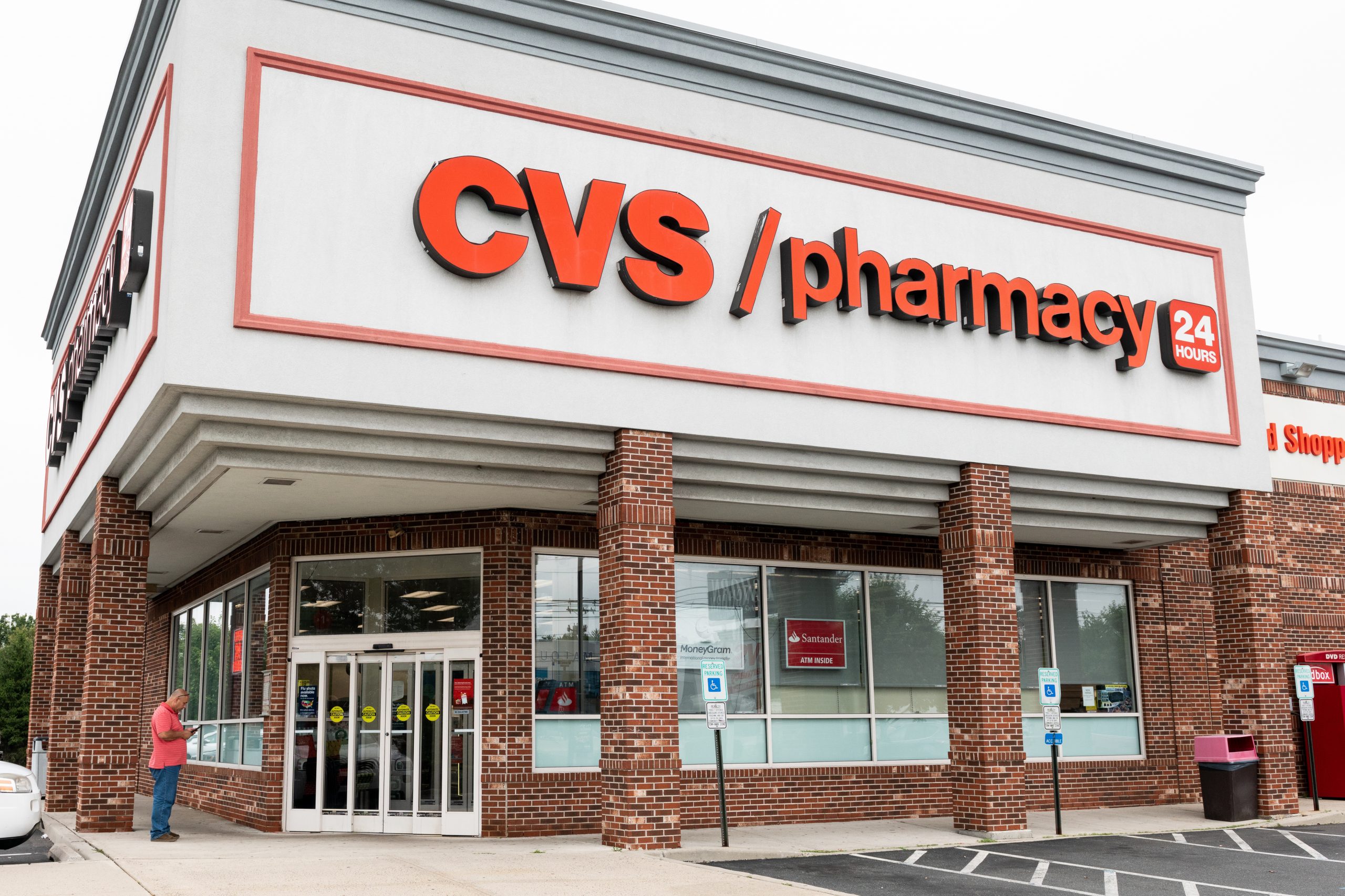
Brands falling victim to Shein and Temu include expected closures from Aldi, CVS Health, Dollar General, Dollar Tree, Family Dollar, Five Below, JD Sports, Kohl’s, Macy’s, The TJX Companies and Walgreens Boots Alliance as well as the following per Fox Business:
- American Freight, which announced it was shutting all 329 of its locations as part of its parent company’s bankruptcy proceedings
- Big Lots, filed for Chapter 11 bankruptcy protection in September to help facilitate the sale of “substantially all” of its assets to its “stalking horse bidder” Nexus Capital Management. It also announced plans to permanently close dozens of stores.
- Macy’s began shuttering locations as part of a turnaround strategy announced in February 2024. Its CEO, Tony Spring, told analysts during a recent earnings call that the company now expects to close about 65 locations this year, up from its previous forecast of 50 announced at the start of the year.
- Party City, with 738 expected closures, and Big Lots, with about 661 expected closures, are leading the pack for closures so far this year. 7-Eleven isn’t far behind with 333 expected closures.

For more details regarding Shein and Temu’s e-commerce takeover and the closing businesses affected, click here.
MORE NEWS ON EURWEB: Black Entrepreneurs See the Most Success in Southern Metro Areas – Cities with the most Black-owned Businesses