Why Bad Bunny Matters to the NFL Right Now
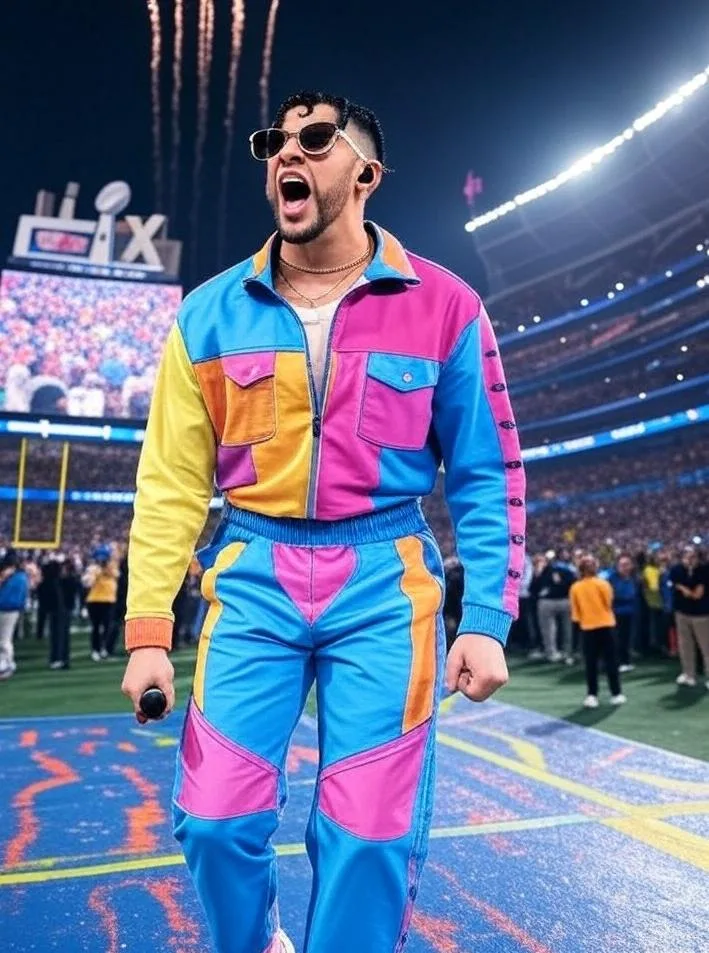
*Bad Bunny does not need the Super Bowl to validate his career. The global superstar already dominates streaming charts and sells out stadiums worldwide.
The NFL, however, needs Bad Bunny for a different reason. His presence helps the league reach younger, more diverse audiences it struggles to attract through football alone.
The Halftime Show Is About More Than Music
The Super Bowl halftime show is designed for viewers who are not die-hard football fans. It targets casual viewers, younger audiences, and people drawn by pop culture.
Bad Bunny’s appeal spans Gen Z, millennials, and Latino audiences worldwide. For the NFL, that reach translates into relevance and advertiser value.
My Super Bowl Ads just dropped! Turn the channel on Bad Bunny and watch @TPUSA and @KidRock instead! pic.twitter.com/daUC94jTgC
— Perry Johnson (@PJQualityGuru) February 5, 2026
Scroll to continue reading


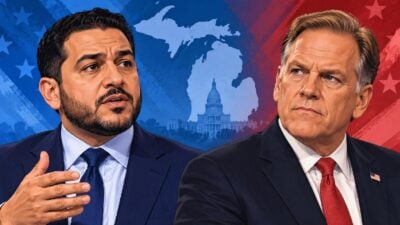



Michigan Republican Candidate for Governor Perry Johnson debuts Super Bowl Commercial
Michigan Super Bowl Ad Tries to Pull Viewers Away
That cultural power is exactly what a Michigan Super Bowl ad is attempting to counter. The ad urges viewers to turn off the halftime show.
The $3 million statewide buy is tied to Michigan’s governor’s race. It is scheduled to air just before the halftime performance begins.
Bad Bunny as a Cultural Flashpoint
The presumed target of the boycott is Bad Bunny, the halftime headliner. He is known for blending music with political and social themes.
His support for progressive causes and Puerto Rican identity has made him influential beyond music. That influence places him at the center of culture debates.
Why the NFL Cannot Ignore Artists Like Bad Bunny
The NFL’s television audience skews older than the broader population. Younger viewers increasingly engage with sports through highlights and social media.
By booking artists like Bad Bunny, the NFL borrows cultural credibility. That credibility helps the league stay relevant in a fragmented media landscape.
Advertisers Follow Attention, Not Tradition
Advertisers value the Super Bowl because of its massive audience. The game regularly attracts more than 100 million viewers in the United States.
Bad Bunny brings global attention before, during, and after the broadcast. That extended engagement boosts advertising appeal around halftime.
Politics Enters the Super Bowl Spotlight
The Michigan Super Bowl ad highlights how campaigns now chase cultural moments. The Super Bowl offers rare, concentrated national attention.
By challenging the halftime show, the ad reframes entertainment as political territory. Culture wars now play out on sports’ biggest stage.
Why This Moment Matters Beyond One Game
The strategy may energize a specific political base. It also risks alienating viewers who tune in for entertainment.
What it undeniably shows is this reality. Bad Bunny may not need the NFL, but the NFL and political campaigns both need attention like his.

(If You Like/Appreciate This EURweb Story, Please SHARE it!)
MORE NEWS ON EURWEB.COM: Jemele Hill and Cari Champion Reunite for Bold New Podcast ‘Flagrant and FunnY’
We Publish Breaking News 24/7. Don’t Miss Out! Sign up for our Free daily newsletter HERE
Correction (Updated February 12, 2026):
An earlier version of this article incorrectly stated that Tudor Dixon was running for governor and responsible for a Michigan-related Super Bowl advertisement. The advertisement referenced was attributed in error and was not connected to Dixon. A quote included in the original version was also incorrectly attributed to her. We regret the errors and have updated the article to reflect accurate information.