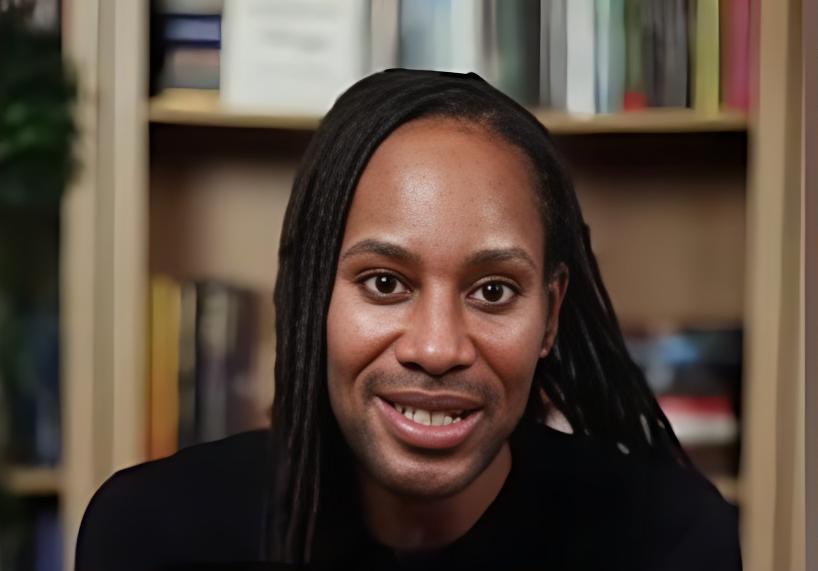
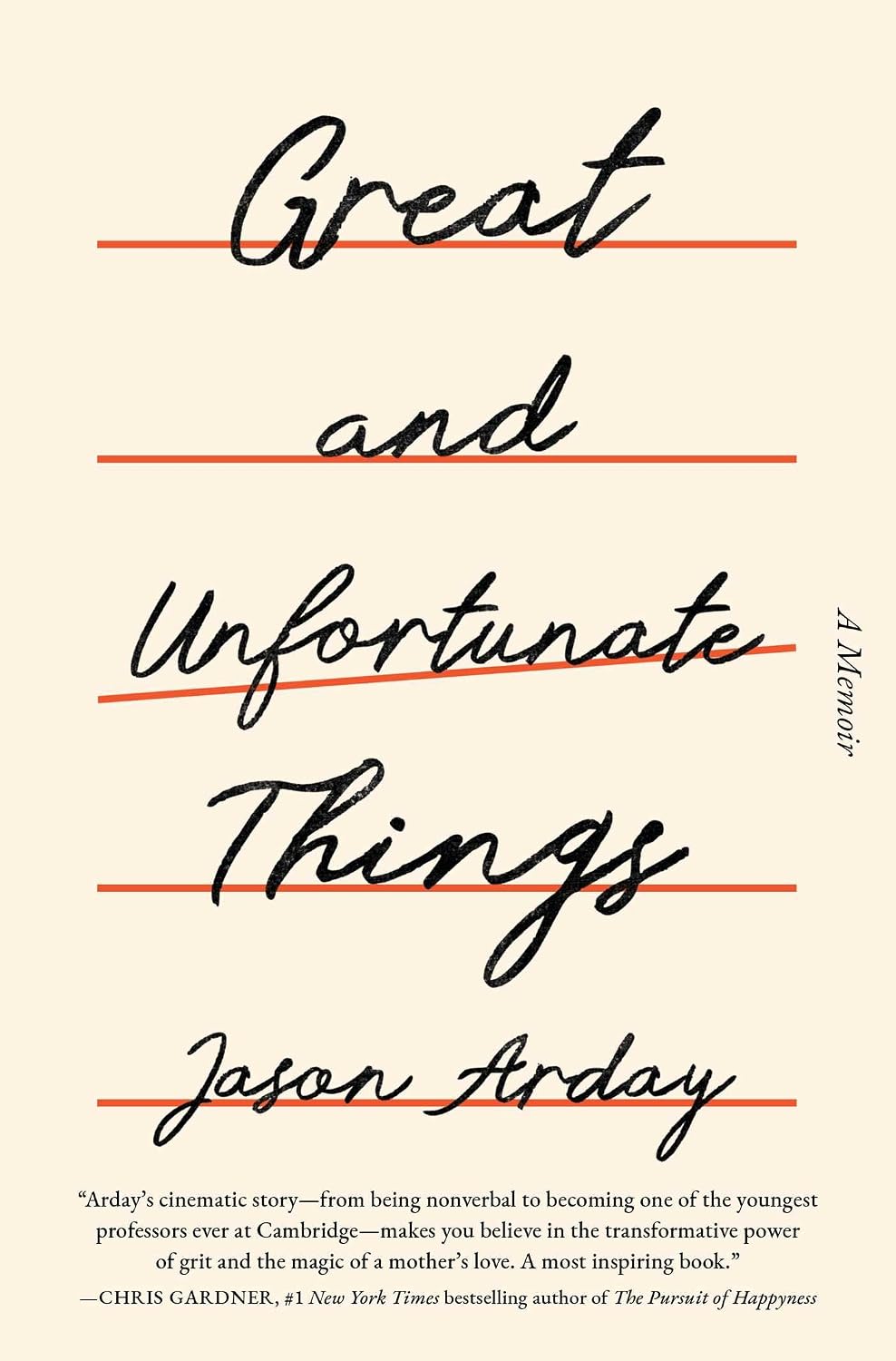
*If there was ever a book with a title that told everything about the author, it is Jason Arday’s autobiography, Great and Unfortunate Things. The deceased and arguably disgraced former Cambridge University professor certainly climbed the mountain top of greatness when he broke age and racial barriers by becoming the youngest Black professor at Cambridge University. His rags-to-riches saga was enhanced by his compelling tale of overcoming a hardscrabble childhood, multiple afflictions, and his wide-ranging charitable work.
Arday just as quickly plunged from that mountain top of greatness with the furious media, public, and academic attacks on his alleged plagiarism and equally alleged trail of lies about his accomplishments. There is no doubt that Arday was subject to vicious, furious, and virulent attacks that bordered on, if not obliterated, the line between truth-seeking and racist venom.
The latter is especially important. In the wake of the Arday scandal, a parade of noted white writers and academics who shamefully plagiarized, made false claims, and flat-out stole from other works and writers have been outed. Yet, there was nothing remotely close to the intense media and public savaging of any of them that Arday got. None were permanently disgraced. None were forced to resign from their academic posts. In more than a few cases, their falsehoods were chalked up to sloppiness or inadvertent errors.
There is ample evidence that the “exposure” and campaign to oust Arday was orchestrated by a cabal of known and admitted racists. One in particular is a notorious peddler of vicious racist fairytales about Blacks.
Scroll to continue reading







But that doesn’t let Arday off the hook. His plight triggered two ever-present charges that rear up when a Black person is alleged to have committed serious misdeeds or crimes.
The first is that in far too many cases the accused Black did commit the acts they got finger-pointed for. Yet many Blacks still reflexively scream racism, and in Arday’s case they fuel the outrage by declaiming any responsibility or guilt for their actions. In his resignation letter, Arday was defiant. He acknowledged no wrongdoing: “The relentless accusations, speculation and public commentary have taken a profound toll on me and on those I love.”
The second reason must again serve as a cautionary warning. Race does matter, and it matters more than ever when controversies ensnare an Arday. The warning is that the Ardays will not be treated with velvet-soft kid gloves as many whites who commit similar or worse misdeeds are treated.
Then there’s the ongoing assault on DEI. Arday was instantly cited by DEI opponents as vindication for their claim that DEI is a sham and should be vigorously opposed.
The DEI opponents loudly proclaimed that Arday was a prime example of their contention that colleges bend over backward to admit as students or promote as instructors a bunch of intellectually deficient, grossly unqualified Blacks and other people of color. These claimants smugly insist they do it to appease the WOKE crowd. Arday was their “gotcha moment.”
This silly self-serving claim using Arday as their foil denigrates the legions of Blacks who do achieve and accomplish academically. As such, it is beyond laughable.
So, was Arday then a victim of white racism or himself? Sadly, the answer is both. Arday opened wide the inevitable racial fault line. His death will not remove it.
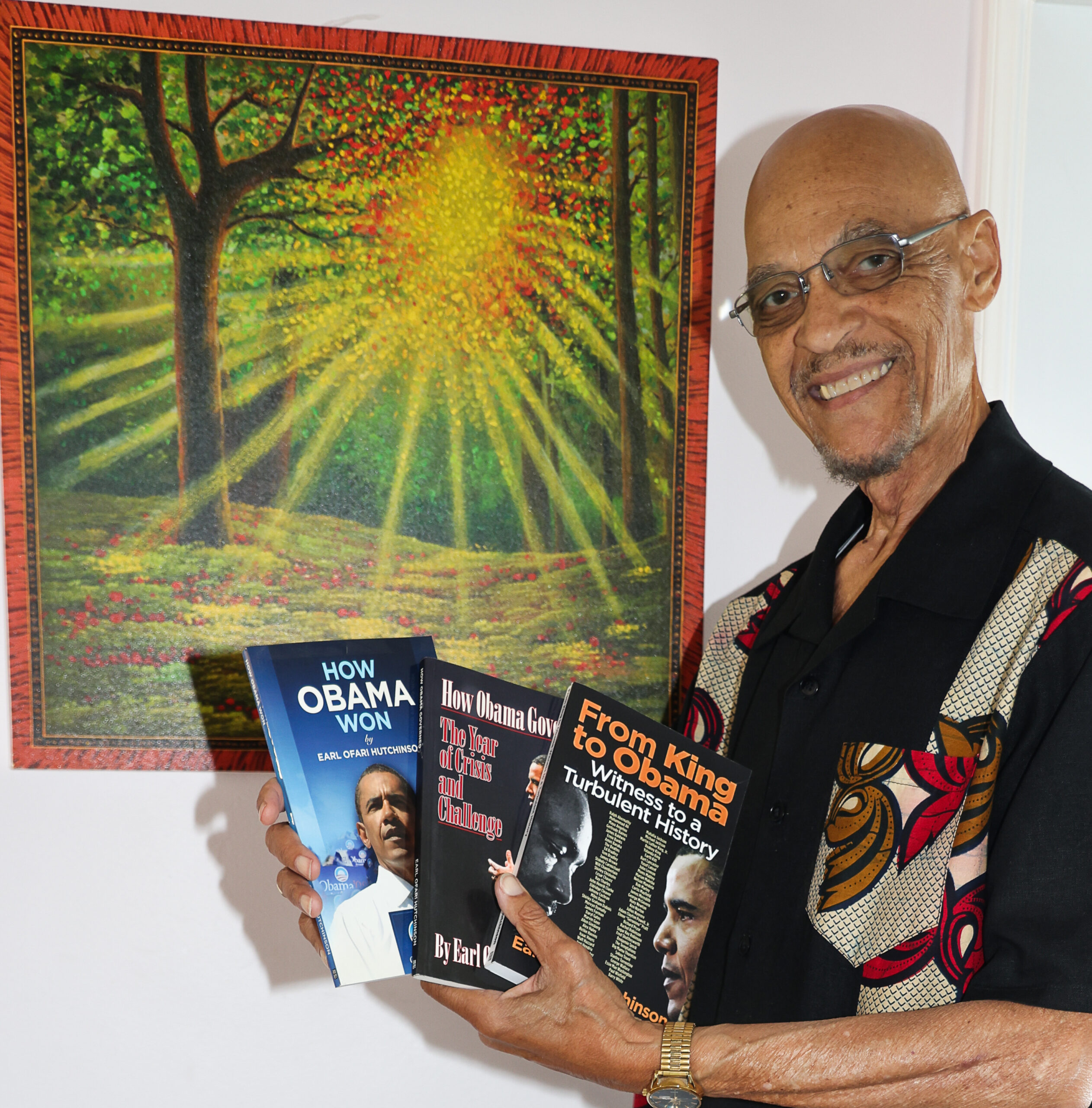
Earl Ofari Hutchinson is an author and political analyst. His forthcoming book is The Garbaging of America (Amazon ebook and Middle Passage Press)
(If You Like/Appreciate This EURweb Story, Please SHARE it!)
MORE NEWS ON EURWEB.COM: Cambridge’s Youngest Black Professor Dies at 41 — Did Scrutiny Go Too Far? | VIDEO
We Publish Breaking News 24/7. Don’t Miss Out! Sign up for our Free daily newsletter HERE.