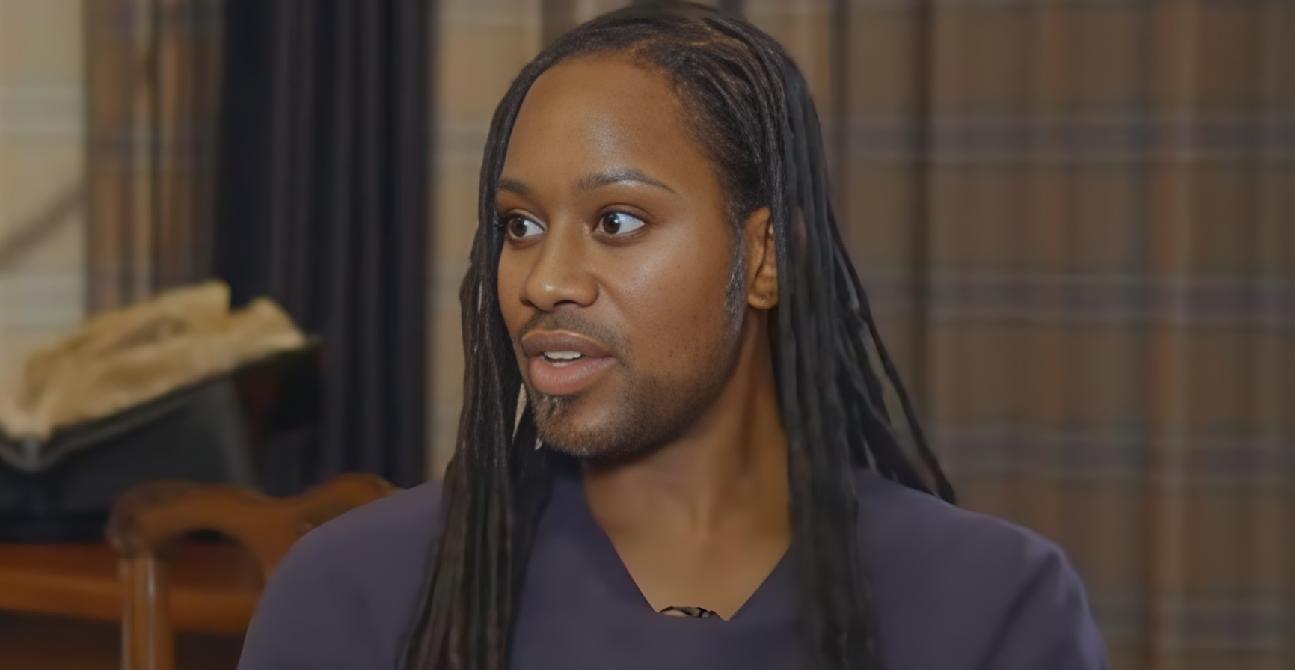
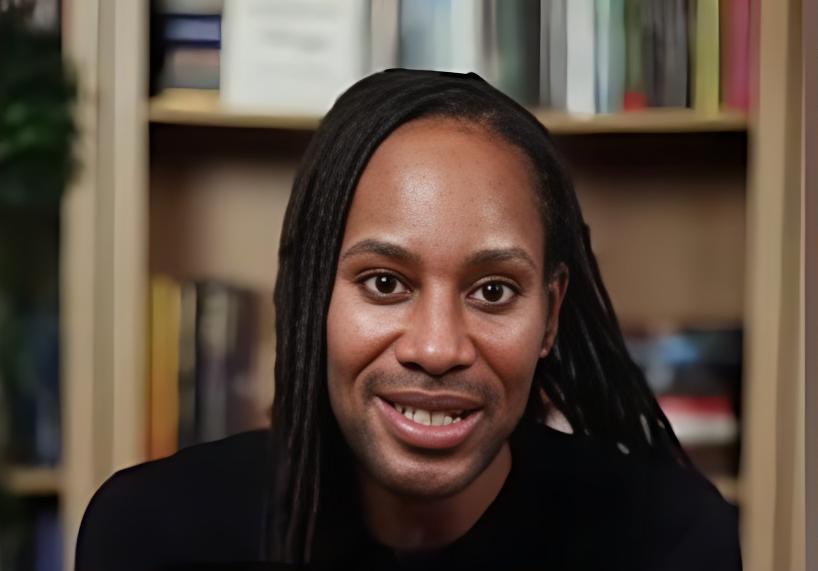
*Jason Arday, the history-making Black academic who resigned from the University of Cambridge amid plagiarism and credential allegations, has died at 41 — and his death is forcing Britain to confront what happened as legitimate scrutiny of his record became an intensely public examination of virtually every part of his life.
Arday was found unresponsive Friday at his home in Battersea, south London, and pronounced dead at the scene. Metropolitan Police said his death is being treated as “unexpected” but is not believed to be suspicious, Reuters reported.
No official cause or manner of death has been publicly established.
That distinction matters. Arday’s death came after extraordinary professional and personal pressure, but the available evidence does not establish that the controversy caused his death.
Scroll to continue reading








From Cambridge Milestone to Resignation
Arday became Cambridge’s youngest Black professor when he was appointed professor of sociology of education in 2023. His story attracted international attention: He had spoken publicly about being autistic and experiencing significant developmental challenges before building an academic career focused on race, inequality and education.
But his academic record came under increasingly intense scrutiny this summer.
Questions initially raised publicly by former Cambridge researcher Nathan Cofnas expanded into investigations of Arday’s 2015 doctoral thesis, publications, qualifications and claims about his personal accomplishments.
British media reported passages in his thesis that appeared identical or nearly identical to previously published material. Arday denied academic fraud while acknowledging errors in his work.
Cambridge ultimately opened an investigation into his qualifications and appointment.
On Aug. 5, Arday resigned from Cambridge and Jesus College, saying it had been “the privilege of my life to teach my students,” while describing years of scrutiny and personal attacks that had taken a profound toll.
His Family Says Scrutiny Became Abuse
After Arday’s death, the argument shifted from whether his academic record deserved examination to whether that examination became something more destructive.
His family said they were “in shock” at losing a beloved father, partner, brother, uncle and son. They also accused critics of subjecting him to sustained misinformation and harassment.
London Mayor Sadiq Khan went further, describing what Arday endured as an “unacceptable public hounding and campaign of abuse.”
Prime Minister Andy Burnham urged restraint.
“It’s not a moment for any rushing to judgment,” Burnham said Saturday, according to the Associated Press. “It’s a moment for reflection.”
Those reactions don’t erase legitimate questions about Arday’s scholarship. They raise a different question: When does accountability become public destruction?
A Friend Describes His Final Hours
Professor Sir Simon Baron-Cohen, director of Cambridge’s Autism Research Centre, said he was communicating with Arday just hours before his death.
Baron-Cohen described a man struggling with the destruction of his professional standing and said Arday believed there was a “racist playbook” used to discredit Black academics.
Arday reportedly compared his experience to that of former Harvard President Claudine Gay, who resigned in 2024 amid plagiarism allegations and fierce political scrutiny.
That was Arday’s interpretation, not an established explanation for what happened to him.
But race has become impossible to separate from the debate surrounding his treatment. Arday was celebrated precisely because his Cambridge appointment broke a racial barrier. His supporters now question whether being a prominent Black academic made the subsequent public reckoning more relentless.
Scrutiny and Humanity Can Coexist
There is an uncomfortable temptation to choose sides after a tragedy like this.
Either Arday’s academic problems were legitimate, therefore the scrutiny was justified — or the scrutiny became excessive, therefore the allegations shouldn’t matter.
Neither conclusion is necessary.
Universities have an obligation to investigate credible plagiarism and credential concerns. Journalism has a legitimate role in examining claims made by prominent academics. Black scholars are not entitled to lesser standards of academic integrity.
But accountability doesn’t require stripping someone of humanity.
Arday’s death also doesn’t retroactively settle disputes about his scholarship, prove racism motivated his critics or establish that media coverage caused what happened Friday.
Those questions require evidence, too.
His death instead leaves Britain with a harder reckoning about proportionality: how institutions, journalists and online audiences handle the transition from investigating someone’s professional conduct to publicly dissecting the person.
Arday’s family believes that line was crossed. Others will disagree.
What cannot be disputed is that a man who entered Cambridge in 2023 as a symbol of extraordinary possibility was dead three years later, days after walking away from the career that made him famous.
The academic questions surrounding Jason Arday deserved answers.
Whether answering them required destroying everything around the man is the question Britain is now left to confront.
(If You Like/Appreciate This EURweb Story, Please SHARE it!)
MORE NEWS ON EURWEB.COM: Hunter College Professor Placed on Leave After Racist Zoom Remarks | WATCH-it-Happen
We Publish Breaking News 24/7. Don’t Miss Out! Sign up for our Free daily newsletter HERE.