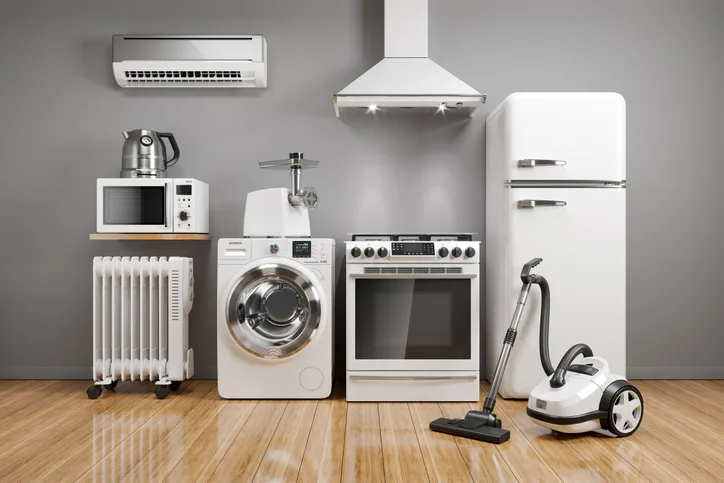
*If your utility bill seems higher than it should be, the culprit may be closer than you think.
As Real Simple reports, several common household appliances and devices are quietly consuming energy in ways most homeowners never notice, and experts say small adjustments can make a measurable difference.
While the HVAC system itself gets most of the attention, the thermostat controlling it can be an equally costly problem. “A thermostat positioned near a heat source or drafty vent can lead to inaccurate temperature readings, causing your HVAC system to run longer than necessary,” said Chris Hunter, home expert for Service Titan. He recommends investing in a smart, programmable thermostat to ensure heating and cooling systems engage only when the home actually requires it.
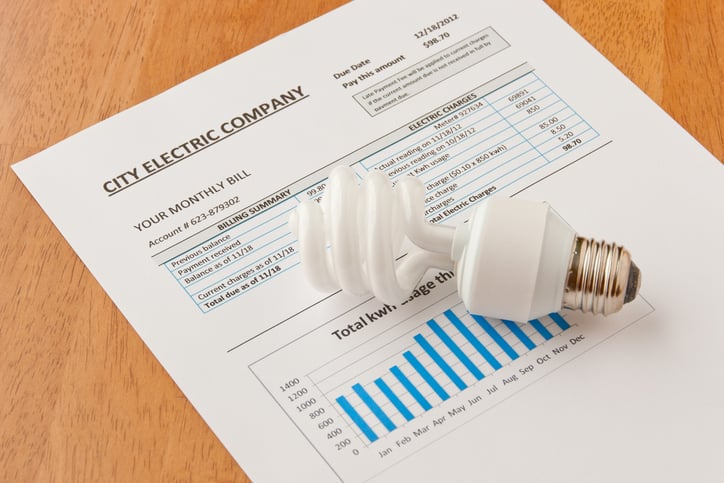
That old refrigerator may also be doing more damage than expected. Nick Barber, co-founder at Utilities Now, points out that units past the 15-year mark may struggle with failing insulation and worn compressors, and replacing them with an Energy Star-certified model could prove worthwhile after calculating long-term savings against the upfront cost. “An old fridge can consume up to 1,000 units a year, which is about $150 depending on your electricity charges,” he said.
Scroll to continue reading









Many electronics never fully power down, continuing to draw small amounts of electricity through a phenomenon experts describe as standby or phantom energy consumption. Televisions, gaming consoles, phone chargers, and even small kitchen appliances are among the common offenders. Adam Cain, energy expert at ElectricityRates.com, advises using smart power strips or unplugging idle devices entirely. “You’ll automatically cut power to these devices that are idle and you’ll instantly save energy,” he said.
Dirty HVAC air filters are among the most overlooked offenders. “When air filters become blocked with dust and debris, your system has to work harder to push air through, thus increasing energy consumption. In most homes, this can raise your energy costs by 10% to 20% without you realizing it,” said Dan Simpson, co-owner of Air Treatment Heating and Cooling. Replacing filters every one to three months based on household conditions can prevent unnecessary strain on the system.
Finally, water heaters work around the clock to maintain a constant temperature, and a setting that is too high quietly drives up consumption. Kate Colarulli, chief strategy officer at CleanChoice Energy, recommends a straightforward fix. “Lower your water heater’s temperature to 120°F,” she said. “This helps conserve energy and reduces the risk of scalding.”
MORE NEWS ON EURWEB.COM: 7 Household Devices That Should Never Be Plugged Into Extension Cords
Sign up for our Free daily newsletter HERE.