The Mystery Behind Eartha Kitt’s White Father
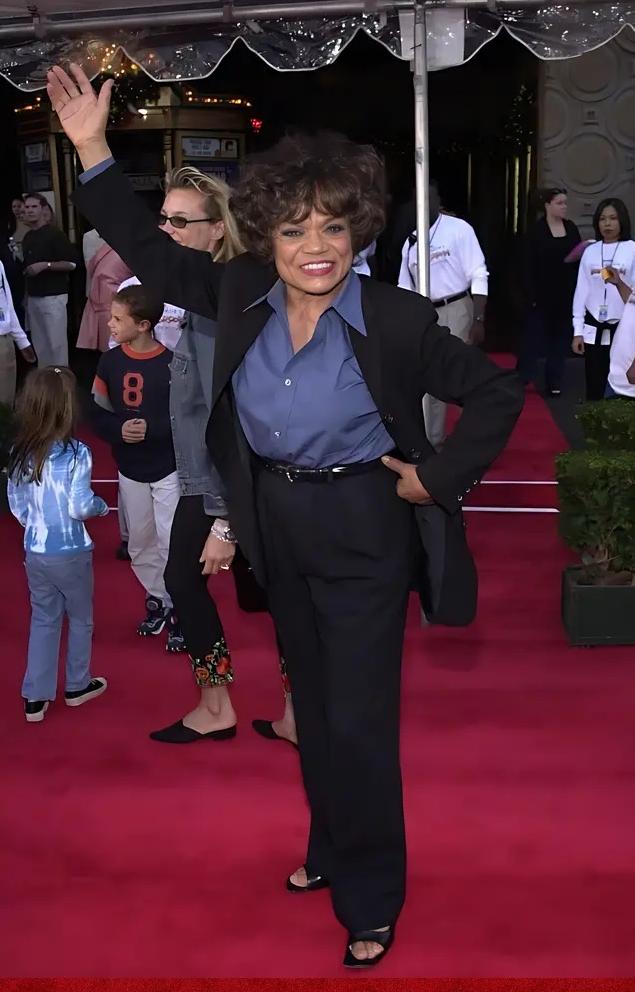
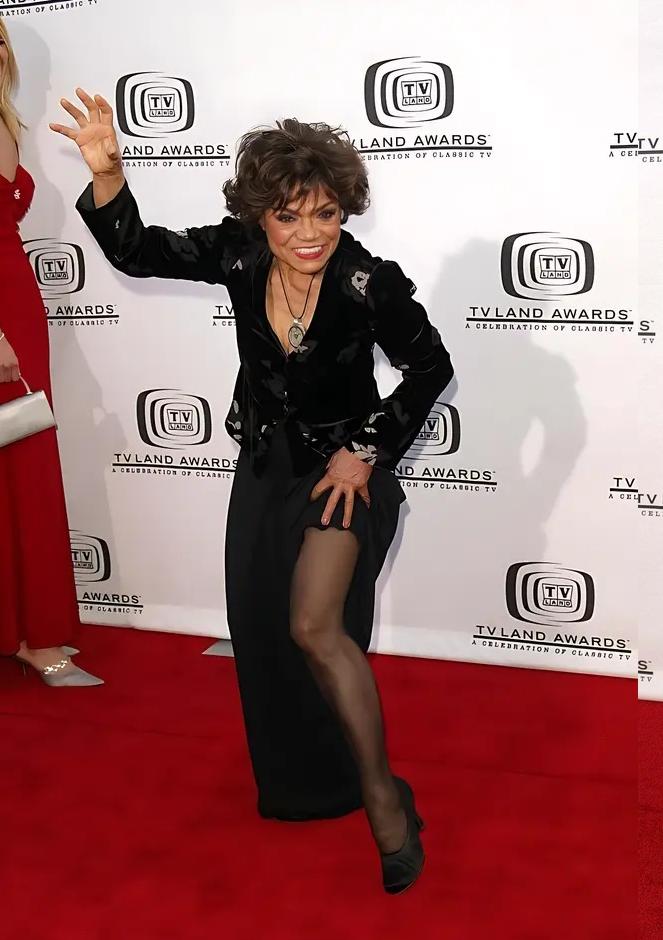
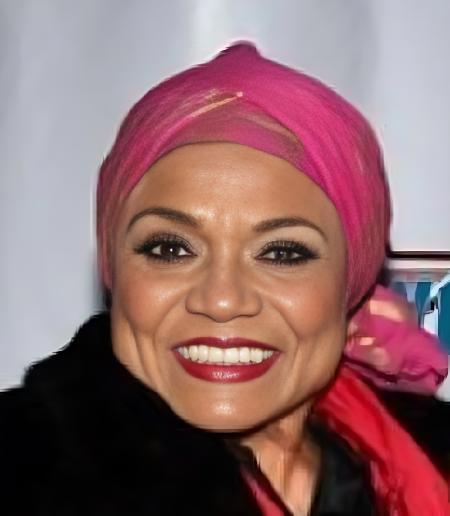
*Legendary actress/singer (“Santa Baby”) Eartha Kitt spent her entire life haunted by the mystery of her biological father. Born in 1927 in South Carolina to a 14-year-old Black and Cherokee girl, Eartha was labeled “illegitimate” and raised in poverty.
Her mother never named the father, and Eartha believed he was white—possibly a local doctor or landowner. Her lighter skin tone made her an outsider in both white and Black communities, shaping her lifelong struggle with identity.
A Redacted Birth Certificate Brought No Closure
In 1998, Eartha and her daughter, Kitt Shapiro, filed a legal request in South Carolina to obtain her birth certificate. When they finally received it, the father’s name was redacted.
Eartha broke down in tears, realizing the truth might forever be hidden. Officials reportedly blacked out the name to protect a prominent figure, adding to her lifelong pain and rejection.
Scroll to continue reading



A 2013 Biography Named a Possible Father
A biography by John Williams, published in 2013, claimed Eartha’s father was Dr. Daniel Sturkie, a white doctor from her hometown. The book gained attention but offered no DNA proof or solid evidence.
Kitt Shapiro disputed the claim, saying there’s no confirmation of that man’s connection to Eartha. For her, the mystery remains unresolved—just as her mother experienced it.
Eartha’s Daughter on Mixed-Race Identity
Kitt Shapiro, born in 1961 to Eartha and white businessman Bill McDonald, has faced her own battles with identity. Often questioned about her light complexion, she’s defended her biological connection to her mother.
In her memoir, “Eartha & Kitt,” and various interviews, Shapiro speaks about the public’s scrutiny and the generational trauma passed down through secrecy and shame.

Colorism and Rejection in Eartha’s Early Years
Eartha was frequently described as a “yellow gal” in the South, a label that underscored her isolation. She wasn’t accepted by white people, and many in Black communities treated her as “different.”
That early rejection carried into her career. She faced barriers in Hollywood because of her ambiguous appearance, but used her pain as creative fuel. She often said she turned “manure into fertilizer.”
Other Biracial Celebrities with Similar Journeys
Eartha Kitt’s experience isn’t unique. Many biracial or multiracial entertainers have struggled with racial ambiguity, colorism, or identity confusion. These stars—like Eartha—often lived between racial lines, navigating a world eager to define them.
Here are several notable figures who share these challenges:
- Fredi Washington – 1930s actress known for “Imitation of Life” who refused to pass for white, despite her fair complexion.
- Halle Berry – Oscar-winning actress who was called an “Oreo” and often spoke out about biracial struggles in a white-dominated industry.
- Zendaya – Young Hollywood icon who acknowledges her lighter-skinned privilege and advocates for darker-skinned representation.
- Lenny Kravitz – Musician with Black and Jewish roots who embraced both identities and expressed ambiguity through his art.
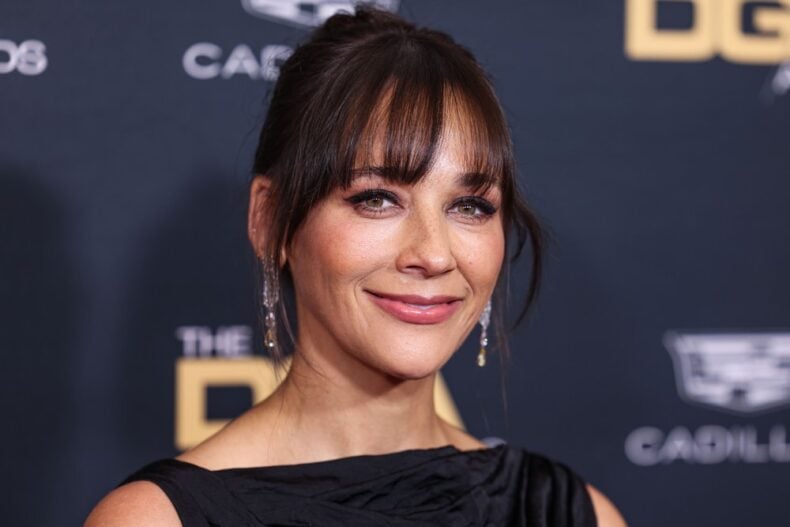
- Rashida Jones – Daughter of Quincy Jones and Peggy Lipton, often viewed as racially ambiguous and vocal about not fitting in one category.
- Meghan Markle – Former actress and royal who faced global scrutiny for her biracial identity and family background.
- Vin Diesel – Actor whose father’s identity remains unknown, describing himself as “ethnically ambiguous.”
Kitt Shapiro Carries Her Mother’s Message
Today, Kitt Shapiro honors her mother’s memory through advocacy and storytelling. She owns a lifestyle brand, Simply Eartha, and regularly speaks out about mixed-race identity and her family’s history.
In her book and media appearances, she shares how Eartha’s legacy of strength and elegance was built on decades of trauma, mystery, and resilience.
The Broader Struggle of Biracial Identity
Many biracial celebrities, such as Alicia Keys, Drake, and Zazie Beetz, have spoken openly about the pressures of navigating between worlds. Themes of colorism, identity ambiguity, and public judgment often mirror Eartha Kitt’s own story.
These experiences reflect a broader issue: how society treats those who defy simple racial labels. Eartha’s life reminds us that identity is not just about appearance—it’s about truth, dignity, and the pursuit of survival.
Why Eartha Kitt’s Story Still Matters Today
Eartha’s unending search for her father is more than personal—it’s historical. It speaks to generational trauma, systemic erasure, and the silence imposed on mixed-race families in segregated America.
Her voice lives on in music, film, and through her daughter’s tireless work. In the ongoing conversation around race, colorism, and heritage, Eartha Kitt’s legacy still leads with power, grace, and vulnerability.
(If You Like/Appreciate This EURweb Story, Please SHARE it!)
MORE NEWS ON EURWEB.COM: Keke Palmer Shares Childhood Memory About Tyler James Williams’ ‘Black Card’
We Publish Breaking News 24/7. Don’t Miss Out! Sign up for our Free daily newsletter HERE.