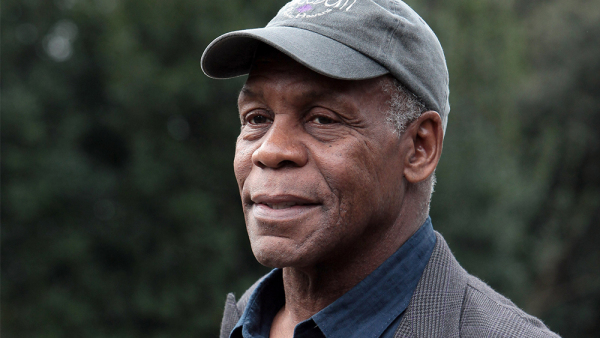
*I have a very close family member who has been diagnosed with Alzheimer’s. So, when famed actor, humanitarian, and political activist Danny Glover courageously announced that he was battling the disease, I loudly applauded. I applauded for two good reasons. One, I know firsthand the monumental pain, suffering, and agony that my family member suffers daily. That pain deeply touches me as well as other family members.
But it’s really the second reason Glover’s public disclosure hit like a sledgehammer, and I rejoiced. He is one of the more than one in five African Americans who are either at risk or likely to be afflicted with Alzheimer’s. A 2007 study by Boston University researchers focused specifically on African Americans and the higher incidence of Alzheimer’s. They confirmed the alarming disparity.
The researchers sought an answer to why that was. The researchers zeroed in on genetic causes. However, they found no conclusive evidence of differing genetic malfunctions in the brain between Blacks and whites.
A more recent study also examined differences in dementia by race. It tracked a broad sample of nearly forty thousand persons nationally drawn from nearly forty different Alzheimer’s research centers across the U.S. A substantial number of participants had dementia. The study found a smaller percentage of Blacks than whites with a dementia diagnosis. However, the gaping flaw was that Blacks were far less likely than whites to be tested specifically for dementia in follow-up visits to a doctor.
Scroll to continue reading







Both the earlier Boston University study and the more recent studyfell back on the standard explanation for the gaping racial disparity in Alzheimer’s between Blacks and whites. That is unequal access to healthcare, lower quality education, and higher rates of other health problems such as heart disease and diabetes. It’s the unequal access to health care, though, that ultimately determines who and what kind of treatment an individual suffering from a catastrophic disease such as Alzheimer’s receives. The picture here isn’t pretty.
A major university research study in 2000 on the impact of racial bias on mental health diagnosis and treatment, Racism and Mental Health: the African American Experience, noted, “The stigma of racial inferiority may also adversely affect the treatment of black patients in the mental health system. Black clinicians have long argued that popular misconceptions, inaccuracies, and stereotypes of the psychology of African Americans could lead to the misdiagnosis of Black patients.”
The study went further and observed that African Americans were more likely to be misdiagnosed. It specifically cited schizophrenia. Blacks were more likely to be diagnosed with the malady of paranoid schizophrenia. And at the same underdiagnosed with other affective disorders. The researchers chalked this up to “conscious or unconscious acceptance of negative stereotypes of Blacks.” The inaccurate diagnosis clinicians seemingly routinely made over time of many Blacks with a mental health affliction had serious consequences in terms of tailoring the correct and most effective treatment to the patient. More recent studies on racial health disparities confirm the pattern is still widespread.

That certainly applies to Alzheimer’s diagnosis and treatment. A 2019 study that looked at nearly three thousand people with Alzheimer’s that spanned twenty years confirmed that. It also found that the prevalence of Alzheimer’s in Blacks was about twice that of whites. But it also found, in addition, that they had worse symptoms. They included delusions, hallucinations, agitation, aggression, anxiety, poor mobility, poor sleep, and poor eating. They pointed to the lack of a timely diagnosis of Alzheimer’s that Blacks get as the major cause. This ensures the symptoms worsen.
Glover has drawn massive media and public attention to his battle with Alzheimer’s precisely because he is a famed and highly acclaimed actor and activist. The same can’t be said for the huge number of Blacks who are at heightened risk from the disease. They largely fall through the media and public looking glass crack.
This compounds the tragedy. Alzheimer’s is a dread disease with yet no cure. I can testify to that from watching, in almost helpless agony, the many behavioral, personality, and physical changes that my family member goes through. It is not called the long goodbye for nothing. It is long, persistent, debilitating, and takes a toll on other family members and those tasked with caregiving.
Glover is fortunate in many ways. He has a warm, supportive family and legions of concerned admirers. He has the resources to ensure he receives top-quality treatment and caregiving.
Unfortunately, many others who suffer from the disease do not have that advantage. That certainly includes many African American sufferers and their families.
Fortunately, Glover and my afflicted family member are receiving the best medical attention available. And even more importantly, the love and support of family members. Hopefully, Glover’s public coming out about this condition will ensure that others in need get the same support and attention.
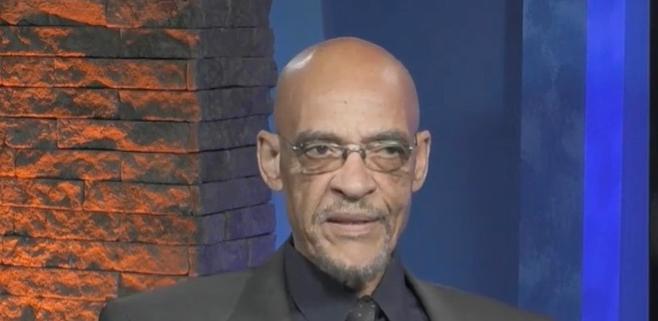
Earl Ofari Hutchinson is an author and political analyst. His forthcoming book is Trump’s Obama Obsession (Amazon ebook and Middle Passage Press)
He hosts the weekly news and issues commentary radio show The Hutchinson Report Wednesdays 6 PM PST 9 PM EST at ktymgospel.net
(If You Like/Appreciate This EURweb Story, Please SHARE it!)
MORE NEWS ON EURWEB.COM: Danny Glover Reveals Alzheimer’s Diagnosis: ‘There’s Work to Do’
We Publish Breaking News 24/7. Don’t Miss Out! Sign up for our Free daily newsletter HERE.