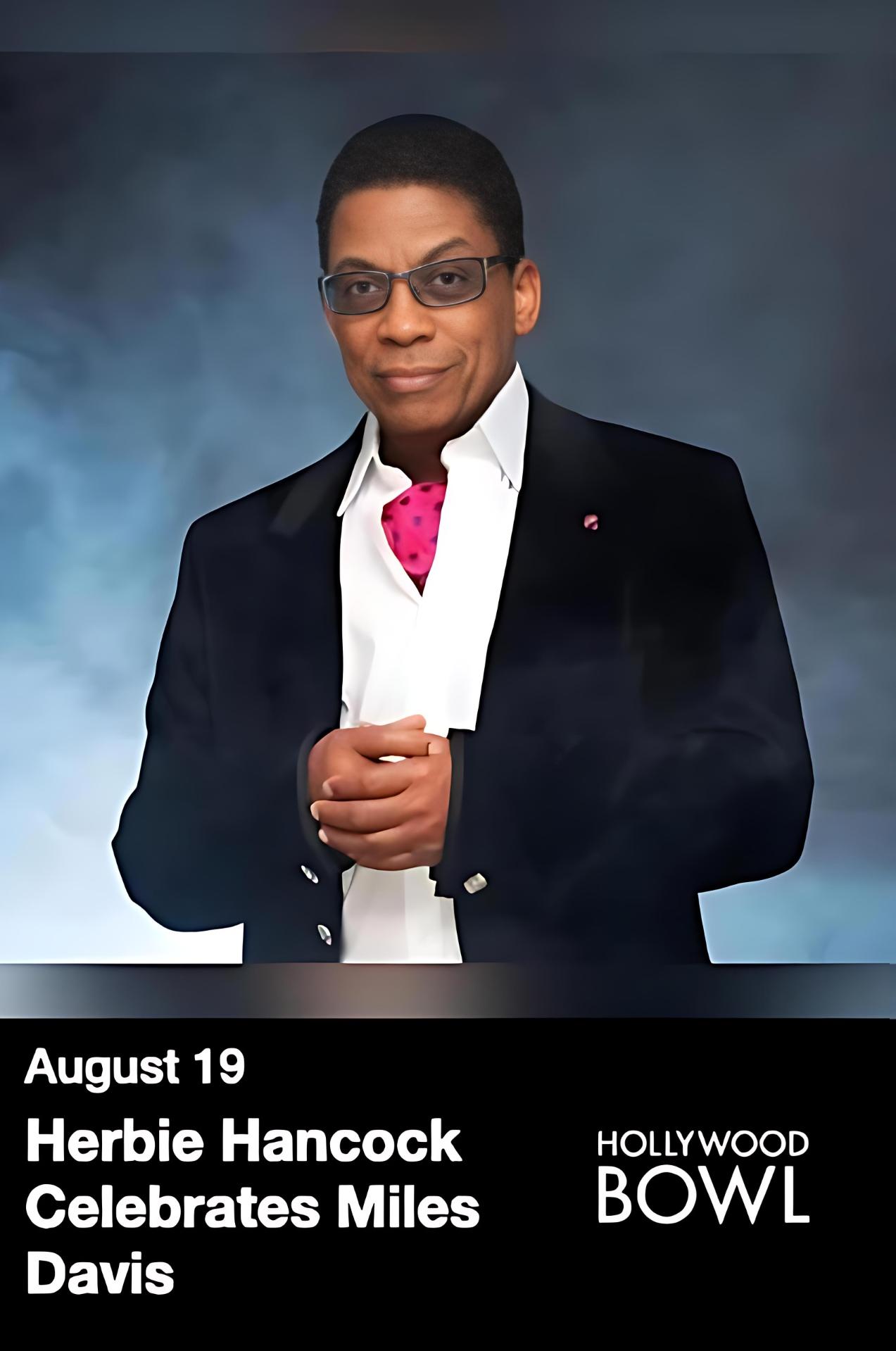
*Herbie Hancock didn’t simply lead another Miles Davis tribute Wednesday night — the Grammy-winning jazz legend helped bring a piece of Davis’ musical history back to life at the Hollywood Bowl, 100 years after the trumpeter’s birth.
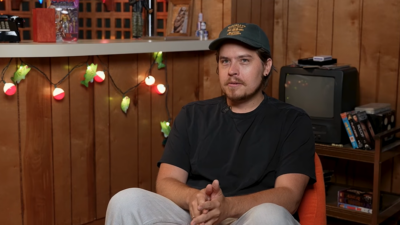
Hancock was joined Aug. 19 by bassist Ron Carter, his former bandmate in Davis’ celebrated Second Great Quintet, for “Herbie Hancock Celebrates Miles Davis,” an all-star journey through the music of one of jazz’s most transformative figures. EURweb associate, filmmaker Keith O’Derek, was inside the Bowl and captured footage from the centennial celebration, including highlights from a night built around musicians who didn’t just admire Davis’ work — several of them actually helped create it.
Besides Hancock, the lineup included Carter, Marcus Miller, Terence Blanchard, Kenny Garrett, Christian McBride, and conductor-arranger Vince Mendoza.
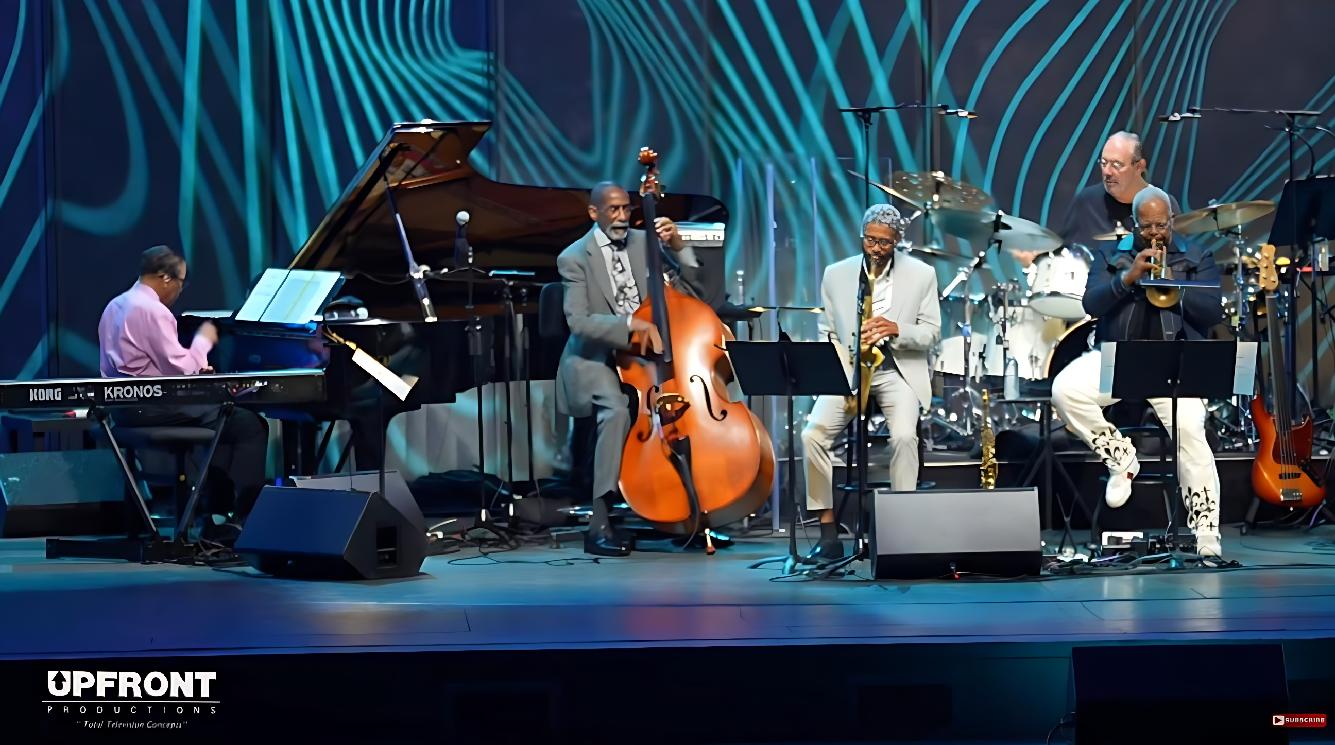
Hancock and Carter Reconnect with Their Miles Davis History
Hancock and Carter’s presence gave the evening a direct connection to Davis’ revolutionary 1960s period.
Scroll to continue reading



The two played alongside saxophonist Wayne Shorter and drummer Tony Williams in Davis’ Second Great Quintet, an ensemble whose adventurous approach became a landmark chapter in modern jazz. As EURweb previously chronicled, Hancock spent much of the 1960s recording and touring as Davis’ pianist while simultaneously developing his own career as a bandleader and composer.
The Hollywood Bowl reunion carried additional weight during Davis’ centennial year. Davis was born May 26, 1926, in Alton, Illinois, and died in 1991. His career repeatedly pushed beyond the musical territory that had established him, from acoustic jazz to orchestral collaborations and electric fusion.
Hancock and Carter remain living links to one of those defining transformations.
Miles Davis Alumni Span Generations
The night’s connection to Davis didn’t end with the Second Great Quintet.
Marcus Miller became a key collaborator during Davis’ 1980s resurgence, producing and composing for the 1986 album “Tutu.” Saxophonist Kenny Garrett also performed with Davis during the later years of his career.
Trumpeter and composer Terence Blanchard and bassist Christian McBride brought another generation of celebrated jazz musicians into the salute, while Mendoza handled conducting and arranging duties.
That combination allowed the program to move beyond a single period of Davis’ catalog. The concert revisited his collaborations with arranger Gil Evans on “Miles Ahead” and “Porgy and Bess,” explored music associated with his 1960s work and moved into the electric and fusion periods that once again changed expectations of what a Miles Davis record could sound like.
The result was less a museum piece than a musical family tree unfolding onstage.
‘So What’ Brings 1959 Back to the Bowl
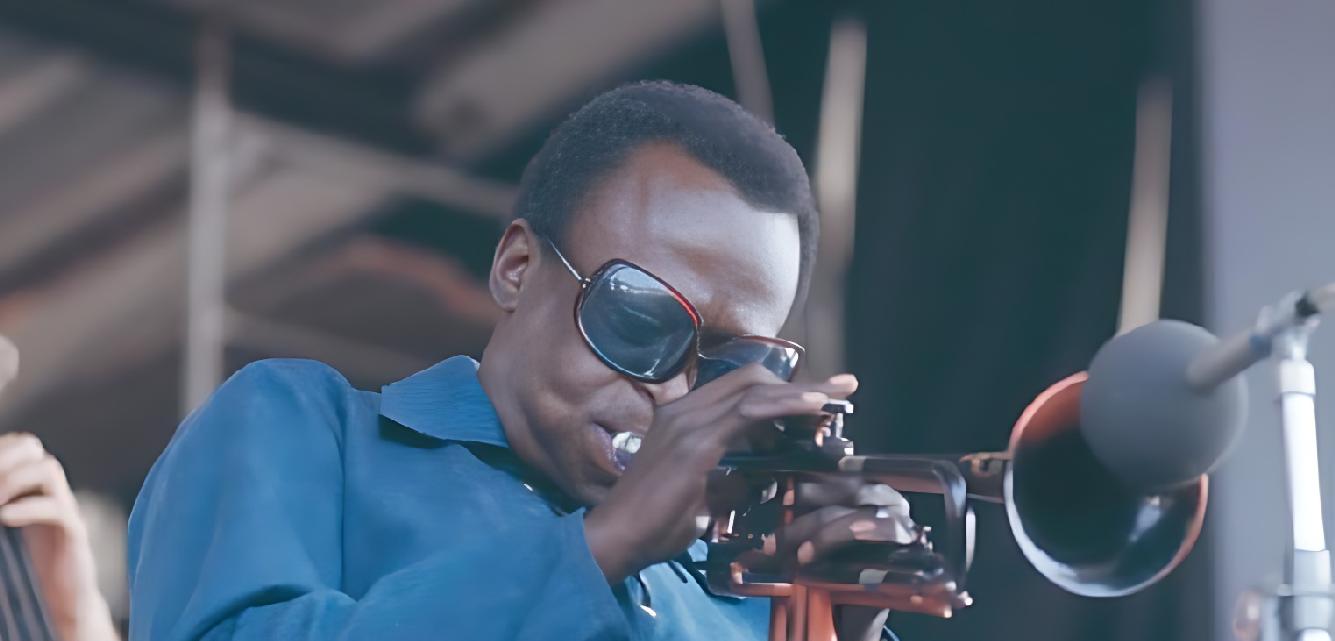
For O’Derek, one of the evening’s standout moments came with the performance of “So What,” Davis’ instantly recognizable composition from his landmark 1959 album “Kind of Blue.”
O’Derek’s footage captures the musicians revisiting the classic more than six decades after its original recording, bringing one of Davis’ best-known works into a centennial program designed to show just how much territory he covered.
“So What” is particularly fitting for a night connecting Davis’ past with jazz’s present. “Kind of Blue” featured a different Davis ensemble, but the album became one of the defining recordings of his career before Hancock and Carter entered his orbit during the following decade.
The Recording Academy describes Davis as one of jazz history’s most innovative figures and credits him with eight competitive Grammy wins. “Kind of Blue” remains his signature recording for generations of listeners.
Ron Carter and Herbie Hancock. August 19th, is the day, ladies and gents… The day that I shall be on stage to find THOSE notes with none other than Mr. @herbiehancock at the @HollywoodBowl celebrating 100 years of @milesdavis .
— Ron Carter (@RonCarterBass) August 18, 2026
Find those tickets: https://t.co/dxVgzODsf8 pic.twitter.com/09weQnTLHV
A Centennial Salute With Living History
The Hollywood Bowl has its own history with Hancock, and EURweb has been there for several chapters. In 2024, the venue hosted Hancock’s “Head Hunters” reunion, another night that connected the pianist’s present-day performances to music he helped revolutionize decades earlier.
This time, however, the musical compass pointed back to Miles.
For Hancock and Carter, the celebration also recalled collaborators who are no longer here. Davis died in 1991, Williams in 1997 and Shorter in 2023. Hancock and Carter have continued performing and carrying forward music shaped during that extraordinary period.
That makes the centennial salute more than a collection of famous musicians playing famous compositions.
Miles Davis would have turned 100 this year. At the Hollywood Bowl, musicians from different chapters of his career gathered to demonstrate that his influence didn’t end with any one band, album or era.
And with Hancock and Carter sharing the stage, the audience wasn’t simply hearing Miles Davis remembered. It was hearing part of his history still alive, still playing and still moving forward.
Herbie Hancock Reveals The Secret Behind Miles Davi's Advice! https://t.co/Vxmq3mWxJf via @YouTube
— James Mcneil (@jamesmcneil55) August 19, 2026
(If You Like/Appreciate This EURweb Story, Please SHARE it!)
MORE NEWS ON EURWEB.COM: Win Tickets to Black Movie Soundtrack at Hollywood Bowl on September 10
We Publish Breaking News 24/7. Don’t Miss Out! Sign up for our Free daily newsletter HERE.