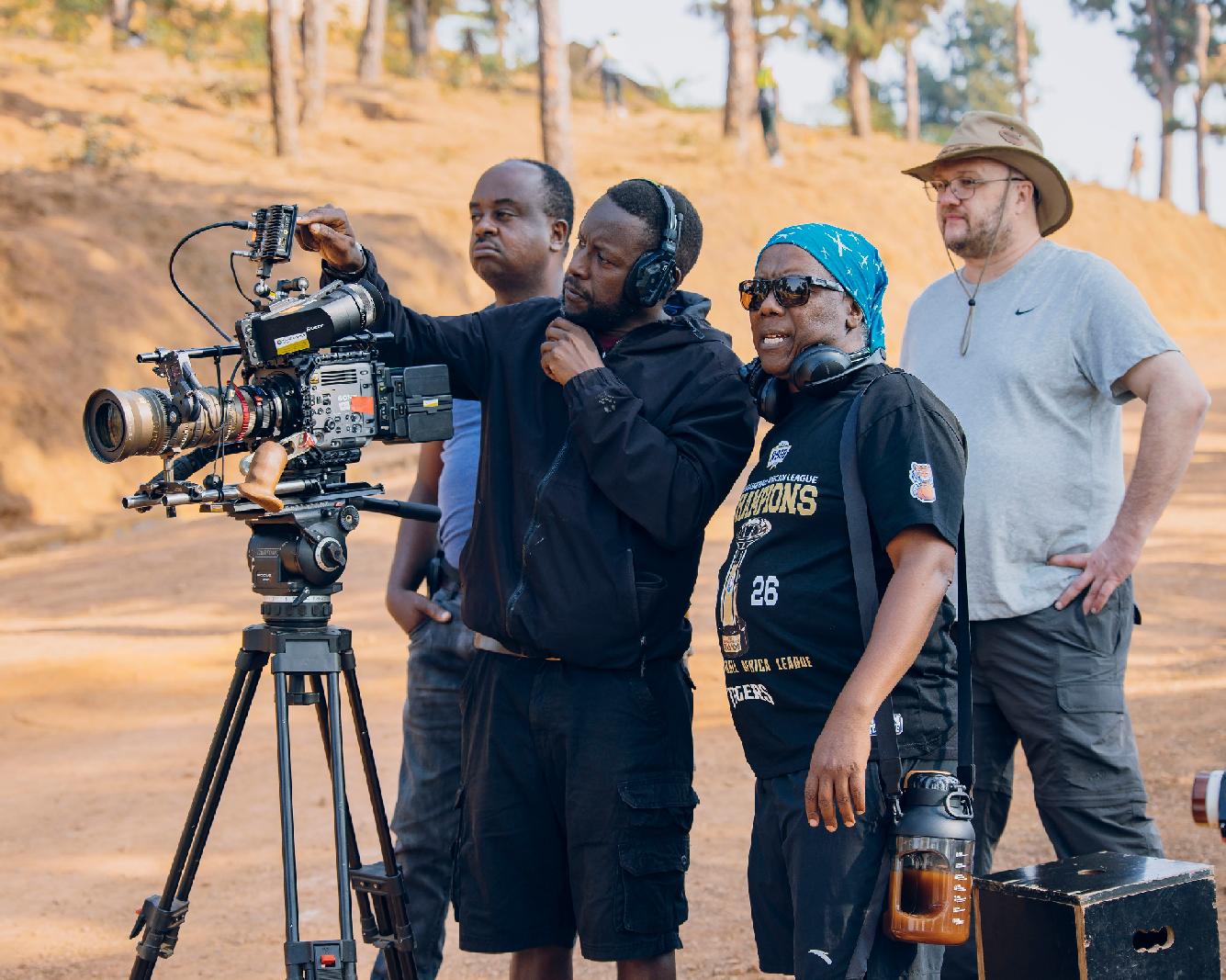
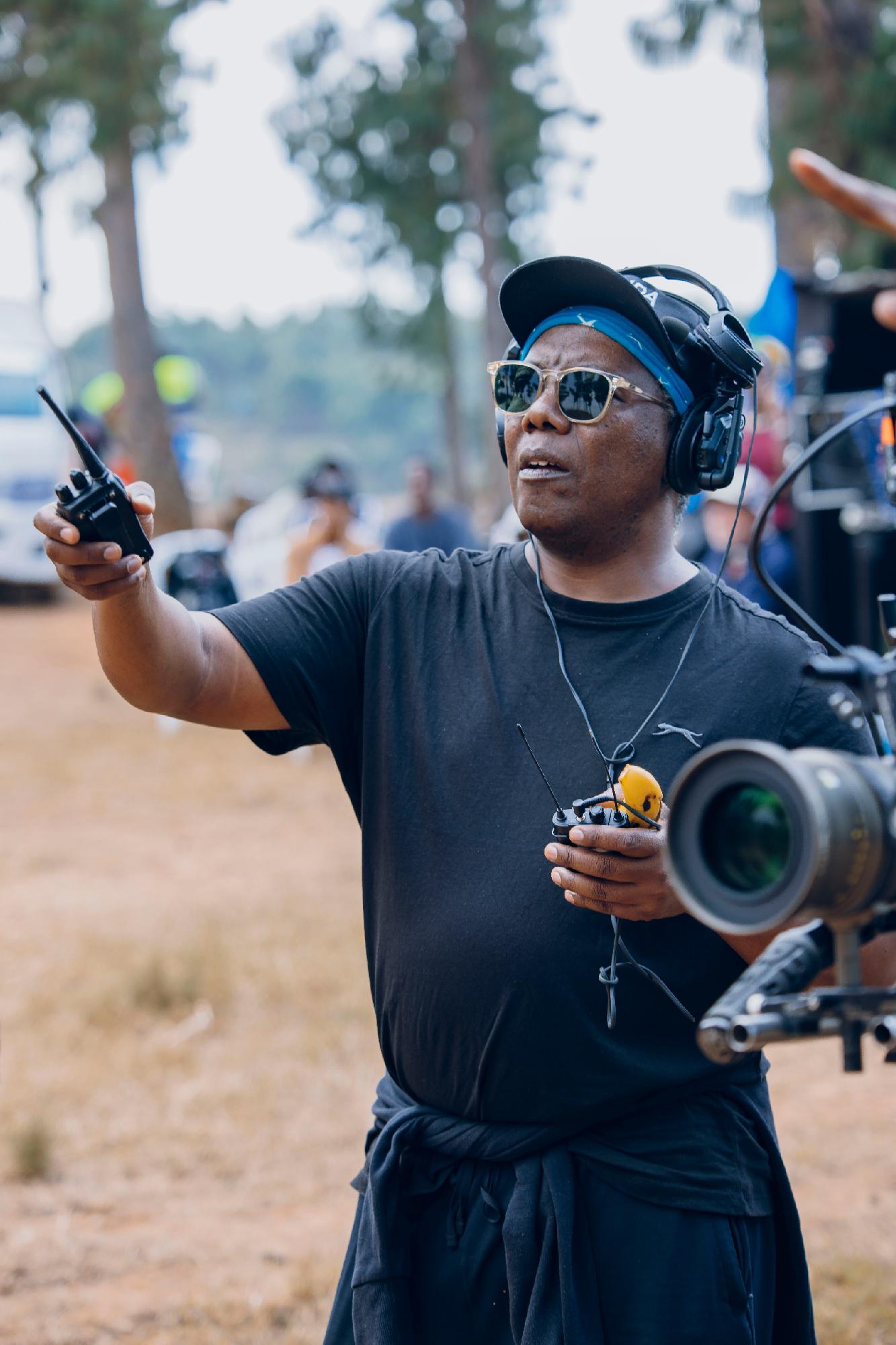
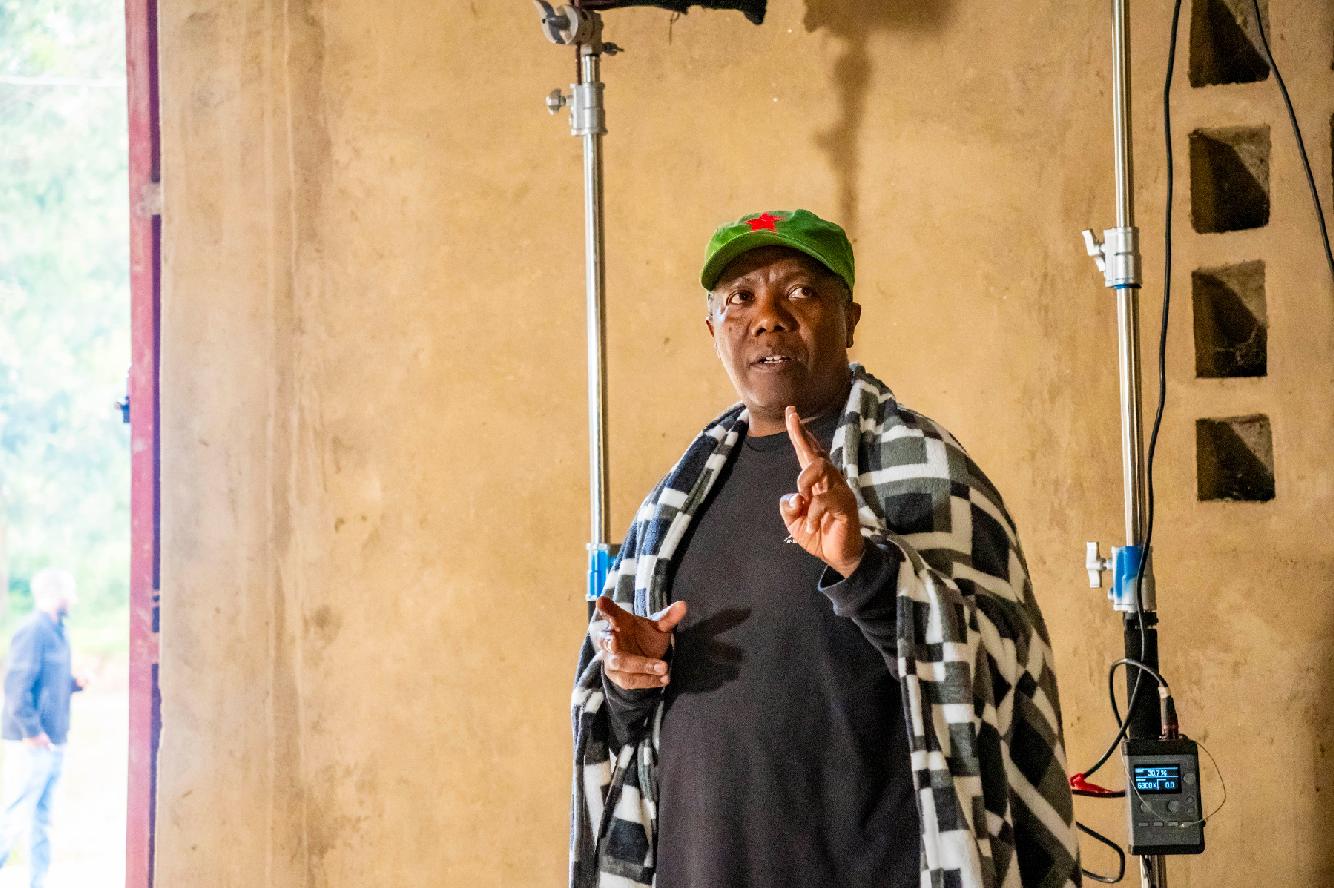
*South African filmmaker Mandla Dube has wrapped production in Rwanda on “The Battle of Bisesero,” a Pan-African feature that shifts the cinematic lens on the 1994 Genocide against the Tutsi toward Africans telling one of the conflict’s extraordinary stories of resistance themselves.
Six years in the making, the historical drama was filmed on location in Kibeho, Rwanda, with Dube leading a production bringing together talent from across the continent.
But the significance of “The Battle of Bisesero” goes beyond who is behind the camera.
The film centers a story rarely given the international cinematic attention afforded other narratives about Rwanda: Tutsi civilians who resisted the forces trying to kill them.
The Resistance on the Hills of Bisesero
During the 1994 genocide, thousands of Tutsi sought refuge in the hills of Bisesero in western Rwanda.
Scroll to continue reading








Rather than wait helplessly for their attackers, people there organized a resistance, using the mountainous terrain and whatever weapons they could find — including sticks and stones — to fight forces armed with machetes and guns.
Rwandan outlet KT Press reported from the film’s set that as many as 50,000 Tutsi sought refuge in the area and resisted genocidal forces for weeks. Most ultimately did not survive.
“The Battle of Bisesero” focuses on the family of Aminadabu Birara, a community leader who helped organize the resistance, with the story viewed largely through the experiences of his teenage daughter, Epiphany.
Nigerian actor Wale Ojo portrays Birara, while Rwandan actress Umulisa Gahiga plays Epiphany. The cast also includes Rwandan actress Isabelle Kabano and Rwandan Pop Star Andy Bumunto, making his screen debut.
‘Africans Should Be Telling Their Own Stories’
The filmmakers are making African authorship central to the production rather than treating it as a marketing footnote.
The project draws together South African, Nigerian, Rwandan and Kenyan talent, while its screenplay was developed through research that included conversations with Bisesero survivors.
“Africans should be telling their own stories,” one of the film’s producers told KT Press during production.
That philosophy also affects whose perspective occupies the center of the movie.
According to the outlet’s on-location reporting, the production intentionally keeps Africans at the center of the narrative rather than structuring the genocide through Western characters. Non-African characters do not enter the story until its final act, when French soldiers arrive.
For Gahiga, portraying Epiphany meant carrying testimony that was much closer than an ordinary historical role.
“My character is Epiphany. I’d say she’s the heart of this story,” she told KT Press.
Born four years after the genocide, the Rwandan actress said working on the film forced her to confront connections between the history she was portraying and her own family.
A Different Lens After ‘Hotel Rwanda’
That question of perspective carries particular weight because international audiences have often encountered Rwanda’s genocide through Western-produced films.
“Hotel Rwanda,” the 2004 Oscar-nominated drama starring Don Cheadle, became perhaps the world’s most recognizable cinematic depiction of the genocide.
But the movie and the account surrounding its central figure, Paul Rusesabagina, have generated years of controversy over how the history was represented.
Gahiga raised the film herself while discussing why “The Battle of Bisesero” matters, contrasting an internationally constructed version of Rwanda’s history with a production built through direct engagement with people who experienced the events.
The distinction isn’t that “The Battle of Bisesero” is being presented as an official rebuttal to “Hotel Rwanda.” It isn’t.
It’s that this time, Africans are controlling the lens.
Building More Than One African Film
Dube’s production has also included an effort to develop filmmaking talent inside Rwanda.
In January, Rwanda’s Ministry of Youth and Arts supported a four-day “Battle of Bisesero” workshop led by Dube and Ojo, providing training in acting, directing and storytelling to Rwandan participants.
That fits the broader Pan-African ambition behind the project: not simply bringing an international production into Rwanda, but involving African filmmakers in telling the country’s history and developing the infrastructure to tell more stories afterward.
For Dube, the film continues a career built around politically and historically charged African stories.
The director previously made “Kalushi,” about South African anti-apartheid activist Solomon Mahlangu, and Netflix’s “Silverton Siege,” a thriller inspired by a real 1980 anti-apartheid operation in Pretoria.
“The Battle of Bisesero” substantially expands that canvas.
It tackles one of Africa’s most devastating historical events while focusing not only on those who were hunted, but on those who fought back.
And that distinction may ultimately be what separates the film from more familiar cinematic accounts of Rwanda.
More than three decades after the genocide, the hills of Bisesero carry a story of enormous loss.
But they also carry a story of resistance.
With “The Battle of Bisesero,” African filmmakers are making sure the world sees both.
(If You Like/Appreciate This EURweb Story, Please SHARE it!)
MORE NEWS ON EURWEB.COM: 29th Annual Pan African Film and Arts Festival Evolution!
We Publish Breaking News 24/7. Don’t Miss Out! Sign up for our Free daily newsletter HERE.