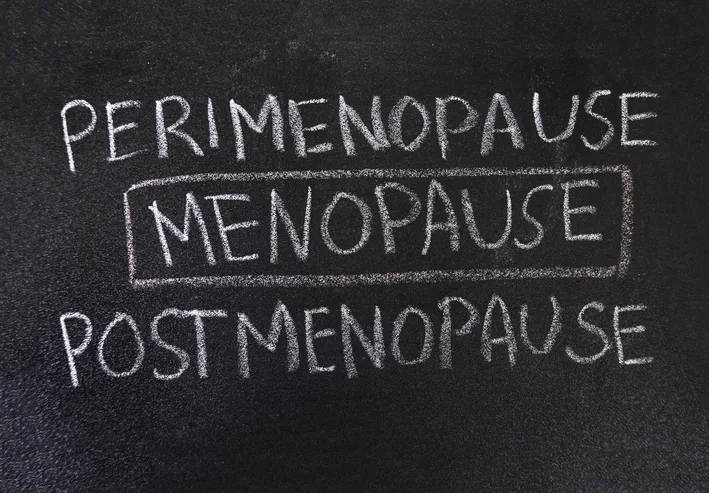
*When Jain monk filmmaker Sadhvi Siddhali Shree began experiencing unexplained anxiety, sleeplessness, and loss of self-confidence, she had no idea what was happening to her body. After months of silent suffering, she realized she wasn’t alone in this confusion. “If I’m feeling like this, if I’m feeling alone, if I’m feeling not prepared, imagine all the other women that are out there likely going through the same thing,” Siddhali shared.
This personal journey of discovery became the catalyst for “BALANCE: A Perimenopause Journey,” a powerful four-part documentary series that debuted January 30 on streaming platforms including Prime Video and Apple TV. Directed by award-winning Jain monk filmmakers Sadhvi Siddhali Shree and Sadhvi Anubhuti, and executive produced by Alyssa Milano and Jeannie Mai, the series tackles a health crisis affecting over 85 million women in the United States.
The documentary emerged from a place of both personal experience and righteous anger at systemic injustice. “Once we found out all of the injustices around perimenopause and menopause and women’s midlife health, we were like, you know, this has to be a series,” Anubhuti explained. She pointed to a shocking statistic that shaped their mission: “Doctors only get one hour of medical education on menopause when 100% of all women are going through it.”
The series goes beyond simple education to create what Siddhali describes as “this visceral experience for the viewers.” While documenting their own perimenopause symptoms, including brain fog and forgetfulness, the filmmakers interviewed women with impactful stories and leading medical experts. “It’s an authentic combination of creativity with documenting our journey,” Anubhuti noted.
Scroll to continue reading









“BALANCE” features renowned physicians and menopause experts, including Dr. Mary Claire Haver, Dr. Louise Newson, Dr. Vonda Wright, Dr. Heather Hirsch, Dr. Sharon Malone, Dr. Rachel Rubin, Dr. Michelle Sands, Dr. Sameena Rahman, and Rosie Acosta. These trusted voices in women’s healthcare provide essential clarity on symptoms, hormones, misdiagnosis, treatment gaps, and the systemic barriers that have left generations uninformed and unsupported.
For the filmmakers, vulnerability became their greatest storytelling asset. “Women want truth. They want raw stories. They want to feel not alone,” Siddhali said. The decision to put themselves on screen wasn’t just about relatability; it was about attacking the subject from all angles with comprehensive knowledge delivered through compelling storytelling rather than simple interviews.
Their spiritual practice as Jain monks deeply influenced their approach to this deeply personal health crisis. “As Jain monks, the main principle that we follow in the core of everything that we do in our work is nonviolence,” Anubhuti explained. But nonviolence extends beyond physical harm to include the inner violence of suffering and pain.

The statistics surrounding perimenopause reveal a disturbing pattern of harm. “When we look at statistics, this is the time period between 45 and 55 when women commit the most suicide,” Anubhuti shared. Siddhali added another dimension to this crisis: “It is the suicides, but it’s also families that are breaking because of this. Marriages are being dissolved.”
The filmmakers identify systemic inequality as the root cause of perimenopause remaining such a silent and stigmatized topic. “Culturally, women are unfortunately looked upon as less. And so they’re not researched,” Siddhali observed. She emphasized that women shouldn’t be defined by their reproductive transitions: “Women, you’re not tied to your reproductive transitions or life or stage. Because we all matter through all of this.”
Surprisingly, the gender of a doctor matters less than their training when it comes to menopause care. “The main issue is that all of the medical providers, when they go through medical school, they’re all getting just one hour of medical menopause training in care and treatment,” Anubhuti explained. The problem is compounded by decades of underfunding and under-researching women’s health.
Access and affordability present additional barriers to proper care. Siddhali noted that menopause specialists often must leave the traditional medical system to provide adequate care: “In the medical system, you only get a 15-minute appointment with insurance. So these doctors need to provide the right level of care, they need to separate, go into their own private practice.” She highlighted emerging solutions like the telehealth app Flourish, which offers hormone therapy AI consultations for $42, making care more accessible.
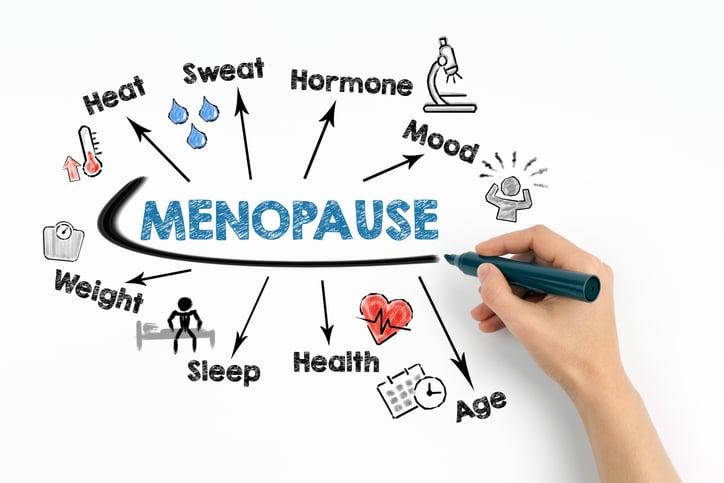
For women beginning their perimenopause journey, the filmmakers offer clear guidance rooted in education and self-advocacy. “Education is number one, be educated. And that will give you empowerment in itself,” Anubhuti advised. She emphasized seeking help from menopause experts specifically, since most doctors lack proper training in this area.
Siddhali’s advice centered on self-trust and community. “Not to dismiss yourself, not to say suck it up and drive on, have these conversations, talk to your girlfriends and share what you’re going through,” she urged. She acknowledged a painful truth: “We say doctors dismiss us, but we dismiss ourselves. We need to trust our body, we need to listen to our body.”
The series itself serves as an accessible entry point for women seeking answers. “Balance the docuseries serves as a starting point. But it’s a great starting point for one, you don’t have to feel alone. Now you’re prepared. Now you’re aware of what perimenopause and menopause are all about,” Siddhali said.
“BALANCE: A Perimenopause Journey” launched as a TVOD title across all major digital platforms via Filmhub. More than a documentary, the project represents a call to awareness, an invitation for women, partners, and medical professionals to finally understand this profound and transformative stage of life.
The series is now trending on demand across major platforms, achieving #5 in the US on Apple TV and #3 in the US / #8 in the UK on Prime Video in its first weekend!
Watch our conversation with Sadhvi Siddhali Shree and Sadhvi Anubhuti via the clip below.
*This interview has been edited for length and clarity.
MORE NEWS ON EURWEB.COM: Halle Berry Breaks Silence on Menopause Struggles, Advocates for Women’s Health
Sign up for our Free daily newsletter HERE.