*I’d just fastened my seat belt on the American Airlines flight out of Los Angeles when a voice came from the middle of the plane.
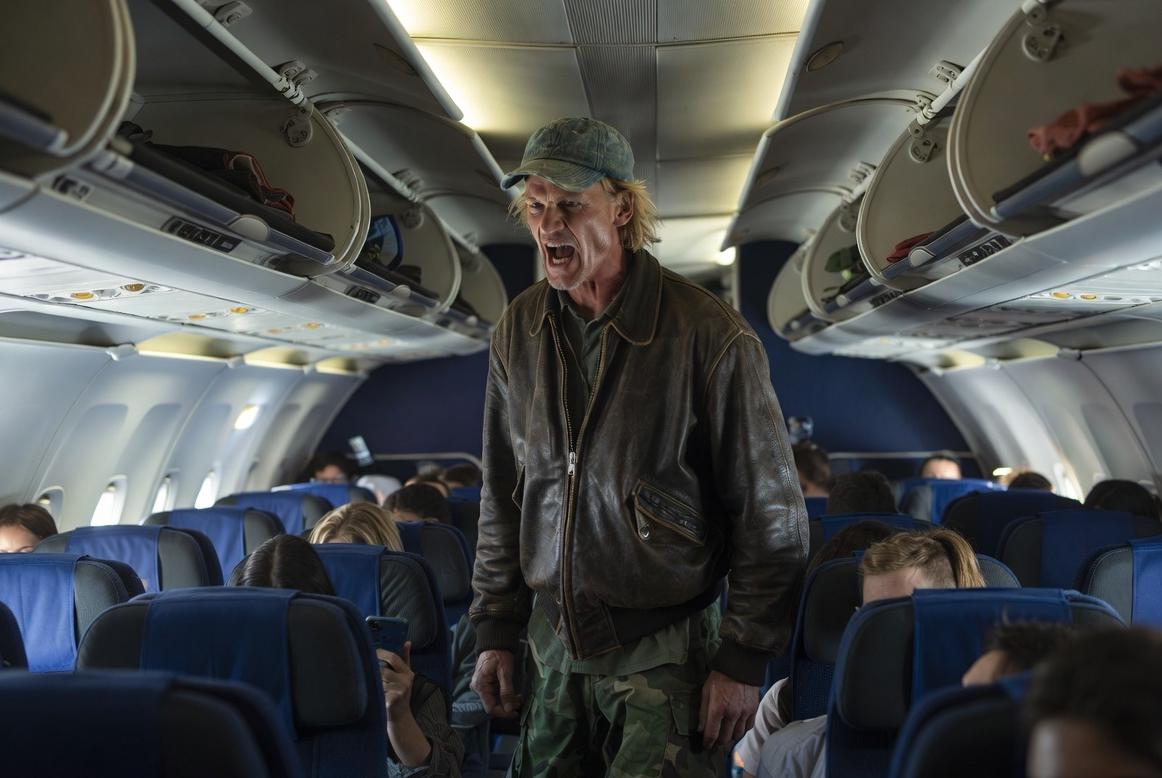
“I’m here to tell everybody that women ain’t s**t,” declared a tall, lean, 40-something blonde man in a worn brown leather bomber jacket, green camouflage pants, and a faded blue baseball cap, standing in the aisle beside his seat. “My wife just proved it—she’s a cheatin’, lyin’ whore. Anybody who got a problem with what I just said about females, step to me.”
Maybe he wanted attention. Perhaps he just had to get that off his chest. Regardless, no one reacted. We heard him, but no one wanted to get into anything with this guy. It wasn’t that we agreed with his opinion about women. It was just that no one dared risk delaying our flight before the plane even pulled away from the boarding bridge.
To our collective relief, after making his statement, the man took his seat next to the man he was traveling with and said nothing further. We arrived at our destination without incident.
Scroll to continue reading








I took my first flight at 14 in the early ‘70s. Back then, my only concerns were the unthinkable possibility of a plane crash, what I’d wear on the flight, and whether I’d have to use the plane’s restroom.
Today, I still eat and drink strategically before a flight to avoid using that restroom. However, my trepidation about air travel now stems from flying with the irrational and mentally disturbed who turn planes into fighting octagons.
You see them on TV news and in online videos—people arguing with airline travel agents in airport terminals over boarding privileges; in-flight skirmishes over seating; attempts by crazed passengers to enter the cockpit or open an exit mid-flight. Folk throwing hands over absolute nonsense.
I’m not freaked out by the notion, but I do think about it, something I never did before. When I’m waiting to board, I often discreetly check out my fellow passengers for anyone who might be a problem once we’re on the plane. If I absolutely had to, could I take that guy? It’s so wrong, I know, but hey, this is where life is.
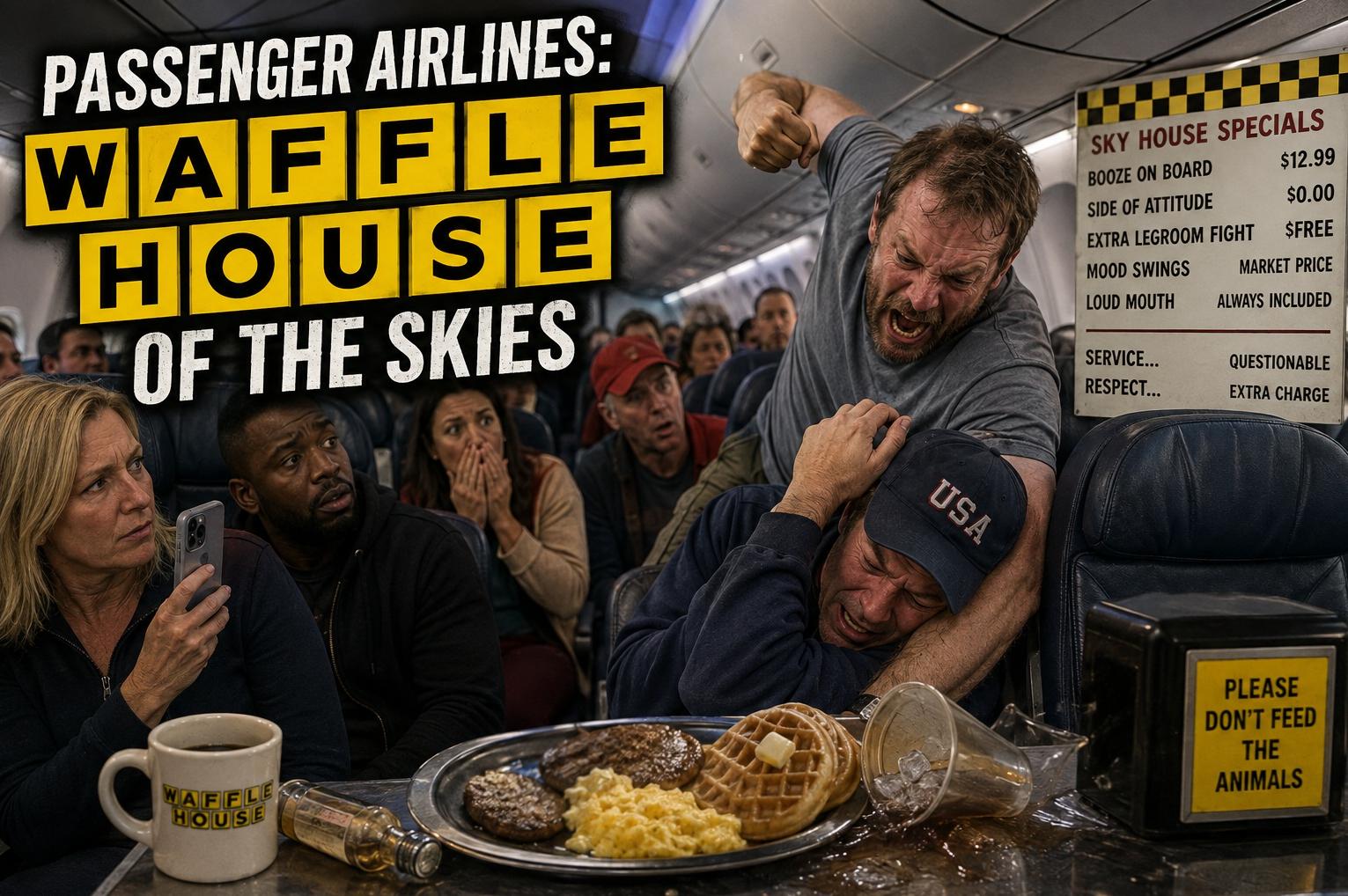
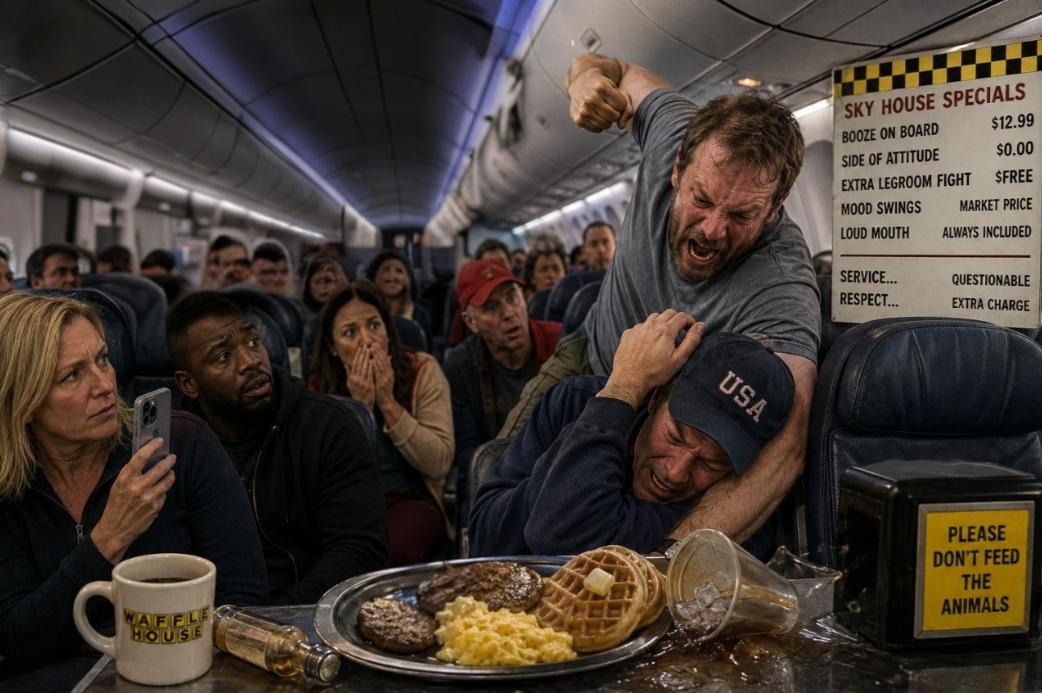
Many of us remember when things were different. Back before airport terminals or flight aisles looked like midnight at a Waffle House, air travel was known for being exciting and luxurious. Respectable. Sometimes the whole family, excited that you were flying somewhere, would accompany you to the airport.
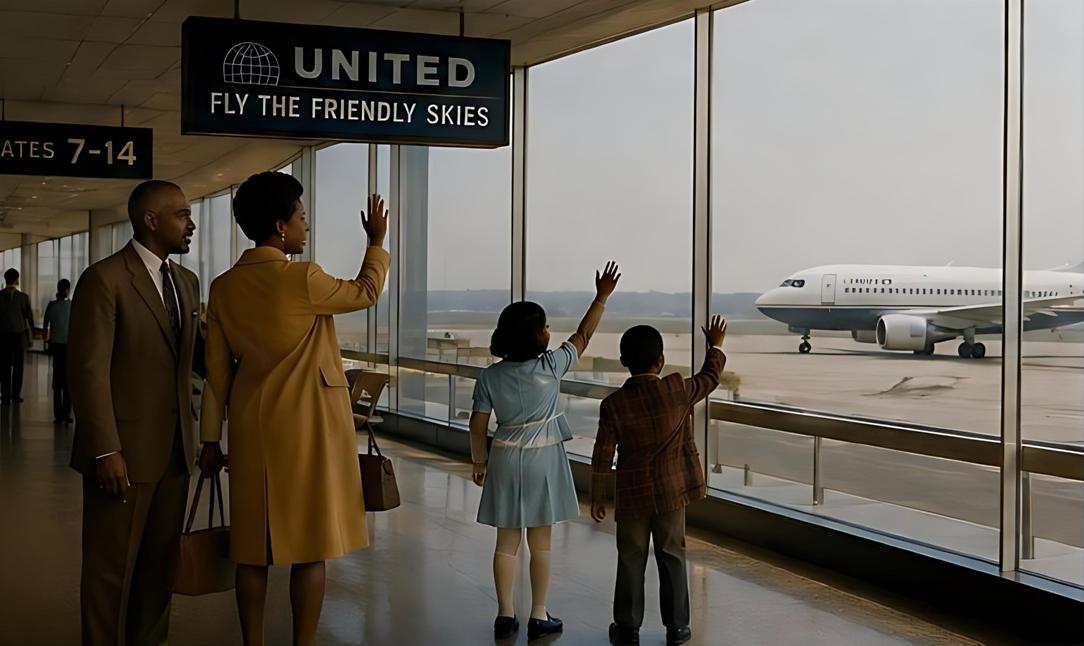
You dressed for the occasion. Sweats and pajamas were unheard of. Nobody ambled around the cabin barefoot (especially not into that restroom). The meal was Salisbury steak and mashed potatoes. Smothered chicken. It may not have been Mom’s home cooking or cuisine from a five-star bistro, but it wasn’t served in cellophane.
From 1965 to 1996, United Airlines used the advertising mantra, “Fly the friendly skies.” The phrase, which portrayed flying with United as a warm, sumptuous, and reliable experience, was so popular that it became a cultural catchphrase. On his landmark 1971 Motown album, What’s Going On, Marvin Gaye sardonically titled a song about drug addiction “Flyin’ High (In the Friendly Skies).”
Today, because cell phones capture the action, there’s a misconception that so-called “air rage” only became a thing in 2000, at the beginning of the COVID-19 pandemic, when some passengers, to the chagrin of others, refused to wear masks.
However, the first recorded case of in-flight chaos occurred in 1947 aboard a flight from Havana to Miami, when a drunk passenger physically assaulted a fellow passenger and a flight attendant. Speaking of Havana, remember the good old days in the late ‘60s and early ‘70s, when, for the most part, the only passenger-related chaos was someone hijacking the flight to Cuba?
It’s not only passengers who can lose it. Back in 2010, JetBlue flight attendant Steven Slater got into a heated argument with a passenger over overhead luggage, grabbed the plane’s microphone, and gave the entire plane a piece of his mind before grabbing a couple of beers and making a dramatic exit by deploying the emergency evacuation slide.
A similar incident occurred a few years later when a United flight attendant activated an escape slide and exited after the plane landed in Houston. (United retired its “Friendly Skies” slogan in 1996, only to revive it in 2013. That employee didn’t help the company’s reputation.)
Blame it on the alcohol. More than half of incidents on planes and in airport terminals are committed by people who have spent too much time at airport bars, arrive at the airport intoxicated, or drink excessively in flight. The airline industry earns millions annually from alcohol sales. While there must be empathy for those who use alcohol or other substances to manage flight anxiety, there should be clear guidelines. Passengers should not be allowed to drink themselves into a belligerent stupor just to fly.
Other kinds of drama unfold in the air. Some years ago, I witnessed it. My flight out of L.A. was about 30 minutes from touchdown at New York’s LaGuardia Airport when the cabin’s silence was broken by an olive-skinned 30-something man who, after exiting the front restroom, stood there and began addressing the plane.
“Excuse me, everybody.”
Here we go, I thought. I began sizing him up and glanced around for someone who might help me subdue him.
The man solemnly explained that he was traveling with his Italian grandmother, who, after both his parents died in a car crash, was the only relative willing to raise him and his three siblings, and who flew all the way from Florence, Italy, to L.A. to do so.
The cabin was quiet—a female flight attendant up front let him speak as he described his family receiving government assistance before their grandmother found work in the restaurant industry, where she worked long hours on her feet for years to support them.
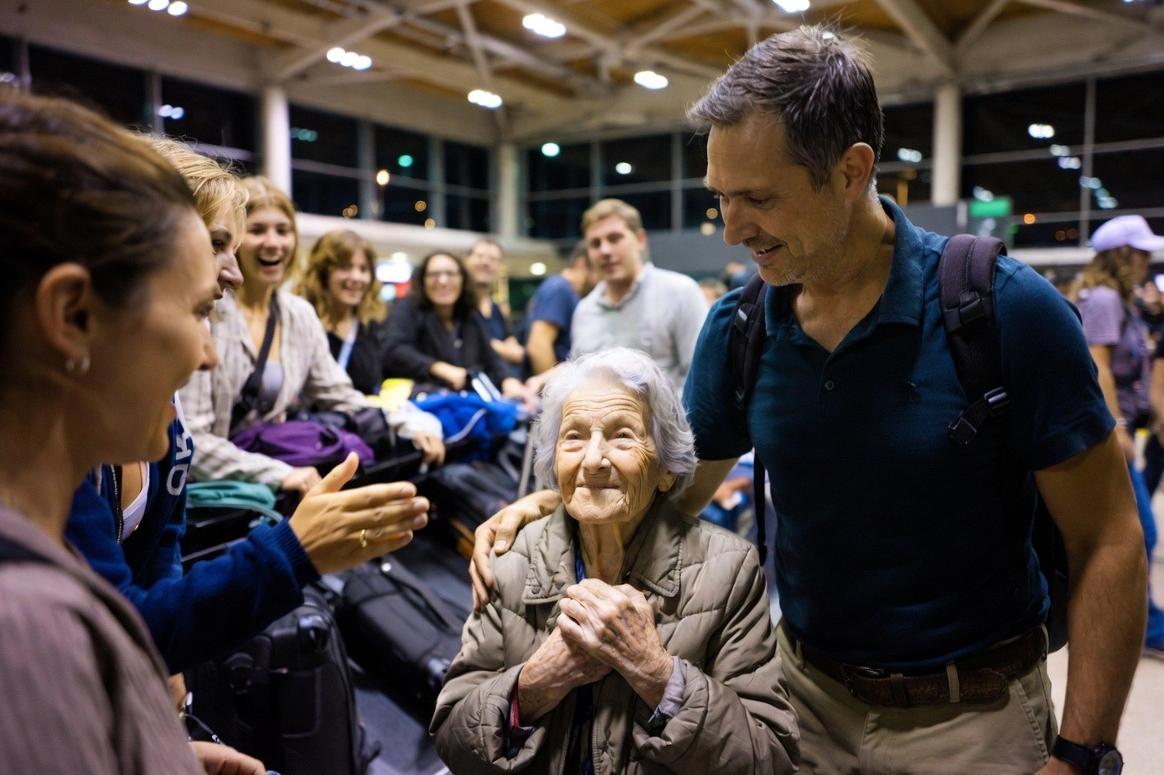
While looking after her grandchildren, she often spoke of her dream of earning a high school diploma. Remarkably, despite everything else, she managed to study while caring for the kids and earned a GED.
“She has always wanted to visit the Statue of Liberty,” said the man. “So, in celebration of her GED, we are coming to New York to see it.”
When he finished, the plane broke into applause. I heard a couple of sniffles.
I got off the plane before the man did, but at the luggage carousel I saw him with his grandmother, a diminutive, sturdy woman with a lovely silver mane, wearing a bashful half-smile as several passengers gathered around her, offering congratulations.
I’ll always keep an eye out for madness at 30,000 feet, but that man celebrating his grandmother’s compassion reminded me that in-flight wrestling matches are the exception, not the rule.
The reality is that we’re more than just passengers—for a couple of hours or longer, we’re a diverse community in the sky, connected by our ambition to get from point A to point B and to get along in the process. Most of the time, we do.
Steven Ivory, veteran journalist, essayist, and author, writes and discusses popular culture across platforms, including the Internet, TV, radio, documentaries, magazines, and newspapers. The Last Man on AOL is at [email protected].