*America has seen this movie before. But this time, the political earthquake is reaching places many Americans never imagined would tremble. In 1974, following the Watergate scandal and President Richard Nixon’s resignation, American voters delivered a devastating rebuke to Republican leadership. It was a moment when public confidence in Washington had deteriorated and voters demanded accountability.
Fifty-two years later, America has experienced another extraordinary midterm reckoning. The 2026 elections have delivered Democratic control of the U.S. House and Senate, sweeping changes in governorships, and a remarkable electoral backlash against the Republican establishment.
Yet two races remain particularly captivating: Mississippi and Alaska.
Mississippi? Yes, Mississippi! I didn’t stutter.
And Alaska, America’s Last Frontier, is suddenly a political frontier where every vote matters.
Scroll to continue reading









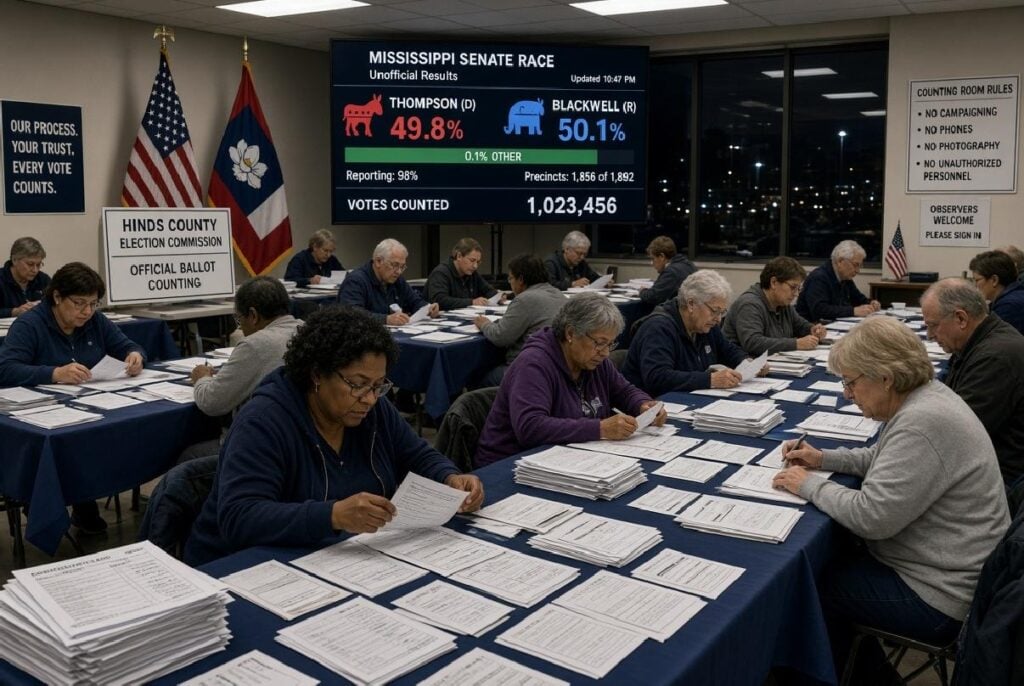
Mississippi Not Burning, It’s Turning!
Rep. Bennie Thompson endorses Scott Colom in U.S. Senate primary – Mississippi Today
The political ground beneath Mississippi is shifting.
Democratic challenger Scott Colom and Republican Senator Cindy Hyde-Smith are locked in an extraordinarily close Senate contest.
Early Wednesday, unofficial counts placed them within a few dozen votes of one another out of more than 945,000 ballots counted. No winner had been called.
MPB Online+1
For a state with Mississippi’s painful racial history, the political symbolism is impossible to ignore.
This is the land of Medgar Evers, Freedom Summer, murdered civil rights workers, and generations of Black citizens who were threatened, intimidated, and excluded from the ballot box.
Today, Mississippi voters are demonstrating the power of the very democratic institutions their predecessors struggled to access.
The Mississippi story is not simply about Democrats and Republicans. It is about voter participation, historical memory, and the possibility that political strongholds are never permanently owned.
Should Colom prevail, it would mark Mississippi’s first Democratic U.S. Senate election victory since John Stennis in 1982. But until election officials finish counting, history remains unwritten.
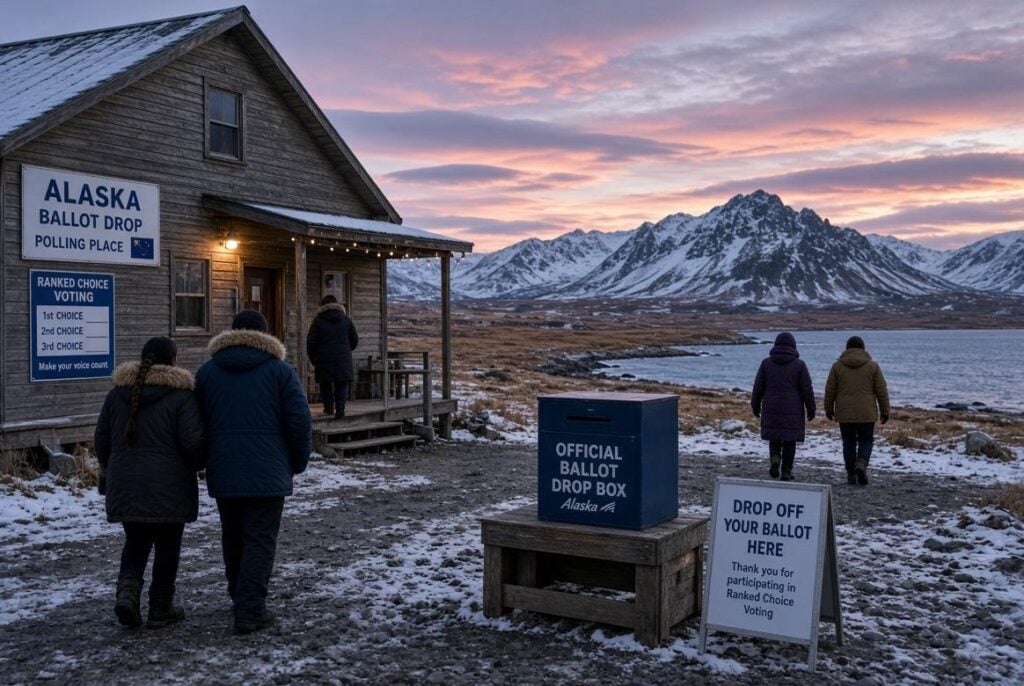
Alaska: The Final Frontier of Political Accountability
Alaska Senate race is toss-up heading into Tuesday’s primary – Deseret News
Thousands of miles away, another remarkable contest remains unsettled.
Republican incumbent Dan Sullivan faces former Democratic Congresswoman Mary Peltola.
There is even another candidate named Dan Sullivan on the ballot, creating controversy and confusion. The second Sullivan is a retired teacher and is not the incumbent senator.
AP News+1
Alaska’s ranked-choice voting system adds another dimension. If no candidate receives a majority of first-choice votes, additional rounds of tabulation determine the winner.
Election officials must count eligible ballots and follow the process, not political pressure.
The larger lesson? Democracy is not an inconvenience. Counting every lawful vote is the foundation of legitimate government.
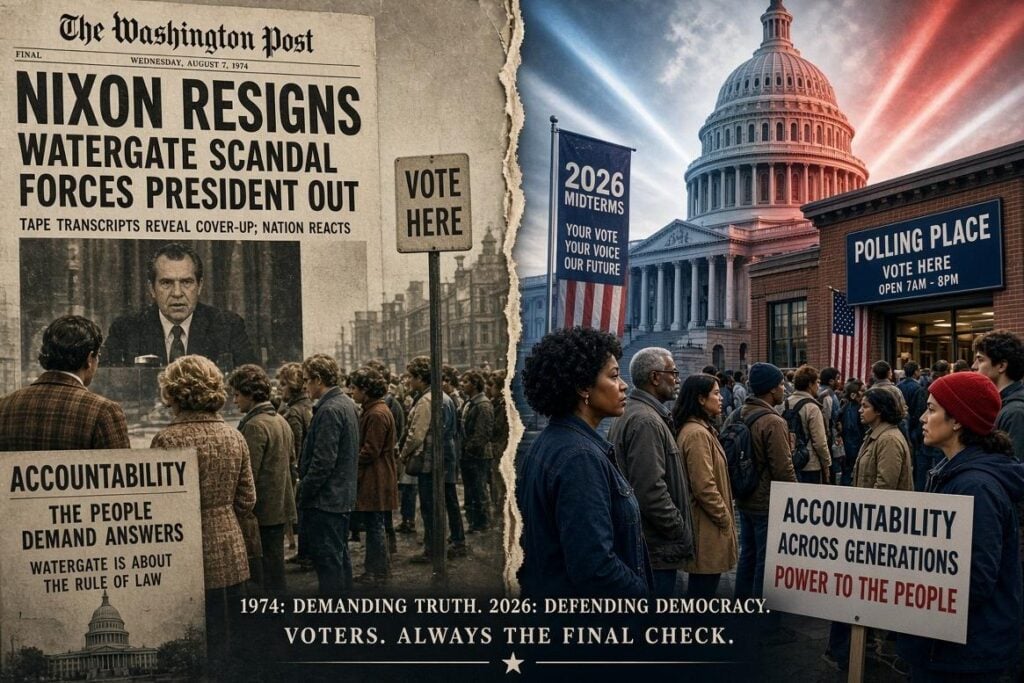
1974 Versus 2026: America Demands Accountability
The parallels between Nixon’s Watergate era and Trump’s second presidency deserve serious examination.
In 1974, Democrats gained 49 House seats and four Senate seats. The result produced a generation of lawmakers known as the Watergate Babies.
Digital Scholarship Lab
Today, voters are again confronting questions about presidential power, political accountability, and whether elected officials have forgotten whom they represent.
Research supports this interpretation. A peer-reviewed study by Becher and Donnelly in The Journal of Politicsdemonstrates how citizens’ judgments of economic performance influence their votes.
Meanwhile, a 2026 study published in the Journal of Monetary Economics found that declining purchasing power can generate electoral punishment for incumbent parties.
That explains why gasoline, groceries, housing, healthcare, and wages became central to this midterm election.
The Associated Press Voter Poll found approximately four in ten voters identified the economy as America’s leading issue, while roughly three in ten identified democracies. This election was about more than political identity. It was about whether ordinary people believed their government was listening.
Race, Division and the Political Price of Polarization
Research also offers important context for America’s cultural divisions.
Political scientists Alan Abramowitz and Jennifer McCoy documented how racial resentment and negative partisanship influenced modern American politics in the Annals of the American Academy of Political and Social Science.
Similarly, research by Iyengar and Westwood in the American Journal of Political Science demonstrates how hostility between political parties can intensify discrimination and mistrust.
And researchers Enns and Jardina in Public Opinion Quarterly examined the complicated relationship between racial attitudes, immigration views, and support for Trump.
These studies do not establish why every individual voted in 2026. They do, however, explain how economic frustration and identity-based political conflict can shape democratic behavior.
From Mississippi’s Black Belt to Alaska’s remote communities, voters deserve political leadership based on public service rather than perpetual confrontation.
Three Biblical Lessons for Washington
Scripture offers three principles that transcend party affiliation.
Galatians 6:7: “Whatsoever a man soweth, that shall he also reap.”
Proverbs 29:2: “When the righteous are in authority, the people rejoice: but when the wicked beareth rule, the people mourn.”
Micah 6:8: “To do justly, and to love mercy, and to walk humbly with thy God.”
These are moral principles, not partisan endorsements. They challenge Democrats, Republicans, Independents, presidents, pastors, and ordinary citizens alike.
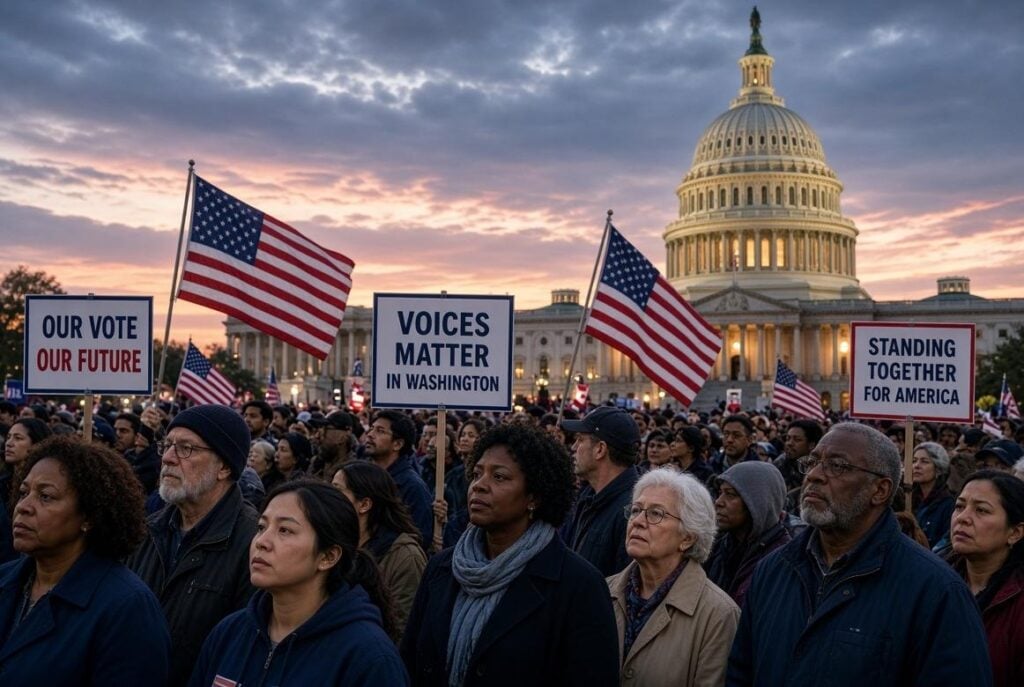
A Red, White and Blue Reckoning
America has not solved its problems overnight. Neither Democrats nor Republicans possess all the answers.
And while Mississippi and Alaska continue counting, Democrats have already secured control of Congress. Those two outstanding contests will help determine the final Senate margin—not which party controls the chamber.
AP News+1
The essential lesson of 2026 is that political loyalty cannot replace economic opportunity, constitutional accountability, or public trust.
In 1974, voters demanded change after Watergate. In 2026, voters once again demonstrated their power to challenge the political establishment.
Mississippi is not burning. It may be turning. Alaska remains the final frontier. And Washington has received a message that cannot be ignored.
This is not merely red versus blue.
This is a red, white and blue moment in American history.
Edmond W. Davis
Social Historian | International Media Strategist | Professor of American Government
(If You Like/Appreciate This EURweb Story, Please SHARE it!)
RELATED NEWS ON EURWEB.COM: An Early HBCU Wave During the Midterm Elections: A Tsunami of Change Is the Forecast
We Publish Breaking News 24/7. Don’t Miss Out! Sign up for our Free daily newsletter HERE.