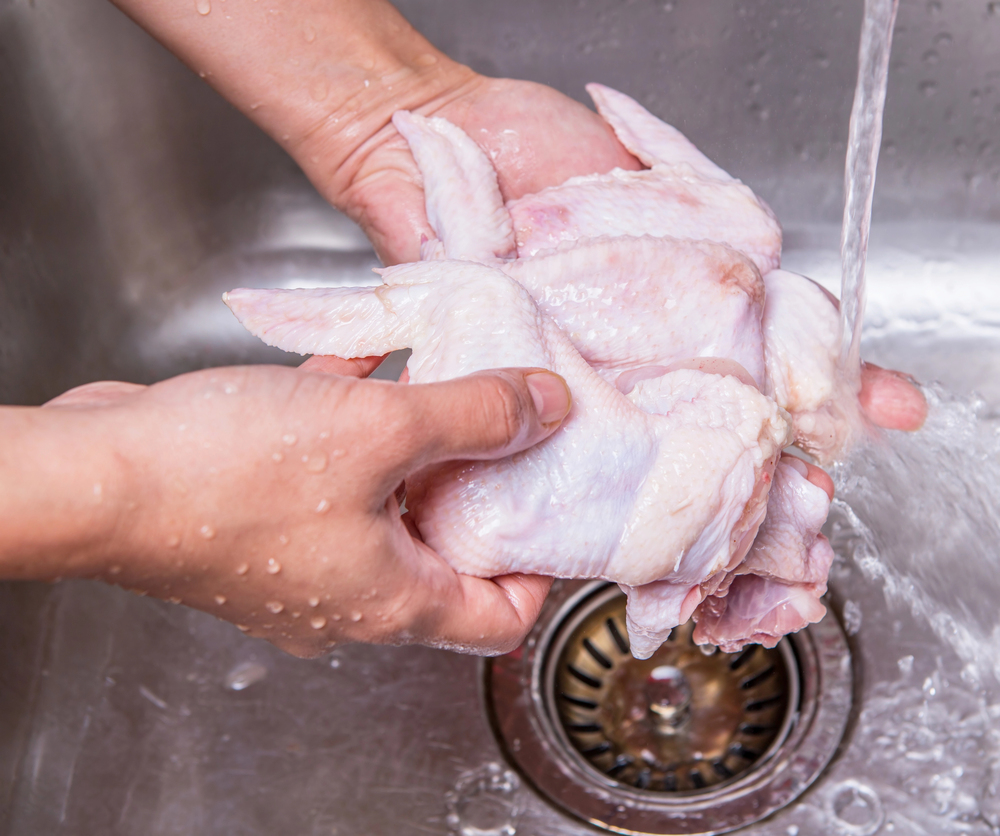
*For many Black families, washing chicken isn’t just a culinary choice; it’s a deep-rooted cultural tradition.
From lemon and lime to vinegar and salt, cleansing raw poultry has long been a symbolic act of care, pride, and preparation, NewsOne reports. But federal food safety experts strongly advise against it.
The U.S. Department of Agriculture (USDA) warns that rinsing raw meat, especially chicken, can increase the risk of foodborne illness due to cross-contamination. In an observational study, the USDA found that 60% of participants who washed chicken ended up with bacteria in their sinks. Worse, 14% still had bacteria after attempting to clean the area. And 26% managed to transfer harmful bacteria from raw chicken to ready-to-eat salad.
“Even when consumers think they are effectively cleaning after washing poultry, this study shows that bacteria can easily spread to other surfaces and foods,” said Dr. Mindy Brashears, the USDA’s Deputy Under Secretary for Food Safety. “The best practice is not to wash poultry.”
Still, many in the Black community aren’t abandoning the practice. For some, it’s about scrubbing away slime, blood, and unseen contaminants. Others say it simply makes the meat look and taste better.
Scroll to continue reading









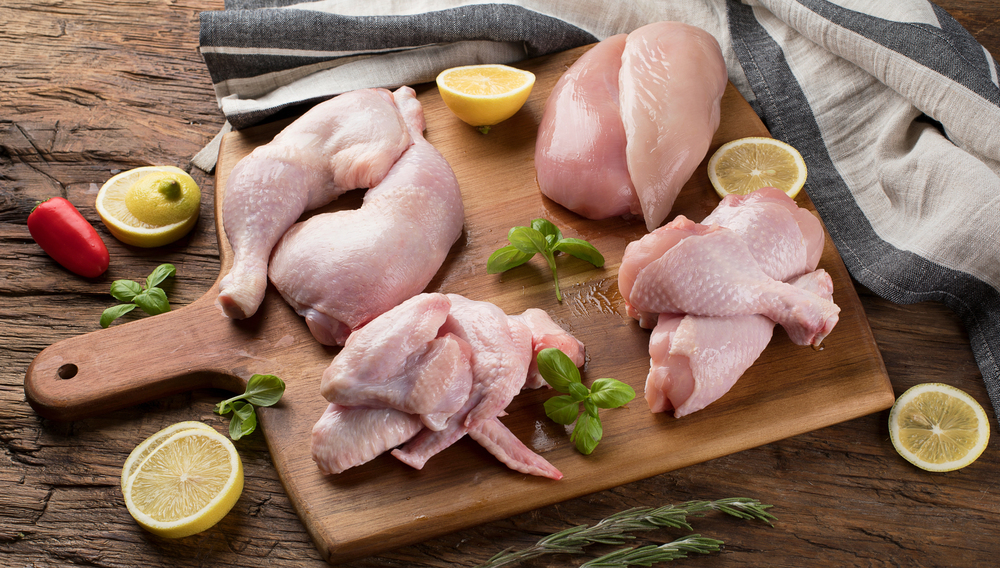
“Washing or rinsing off bacteria and slime on meat is a must,” one user commented on The Social’s post on the chicken washing debate, per NewsOne.
Food blogger Epicurious Expeditions points out that you can’t always know what conditions raw meat has been through before reaching your kitchen, so giving it a citrus rinse feels like a necessary extra step.
Historically, the tradition traces back to slavery. Enslaved Africans were often given discarded or undesirable cuts of meat and developed meticulous methods for cleaning, trimming, and seasoning them into something nourishing.
The USDA suggests the best way to eliminate harmful germs is by cooking meat to a safe internal temperature, instead of rinsing it. However, many Black home cooks continue to swear by the practice of washing meat, a tradition they feel is essential to their cooking process.
“Everyone has a role to play in preventing illness from food,” said Administrator Carmen Rottenberg of USDA’s Food Safety and Inspection Service (FSIS).
“Please keep in mind that children, older adults, and those with compromised immune systems are especially at risk,” Rottenberg added. “Washing or rinsing raw meat and poultry can increase your risk as bacteria spreads around your kitchen, but not washing your hands for 20 seconds immediately after handling those raw foods is just as dangerous.”
MORE NEWS ON EURWEB.COM: Eating Too Much Chicken May Raise Risk of Cancer and Early Death, Study Finds
We Publish Breaking News 24/7. Don’t Miss Out! Sign up for our Free daily newsletter HERE.