*For generations, the Los Angeles Lakers have been more than a basketball team. They have been part of the cultural fabric of Los Angeles. For Black Angelenos in particular, the Lakers have represented something larger than basketball: excellence, visibility, achievement and power.
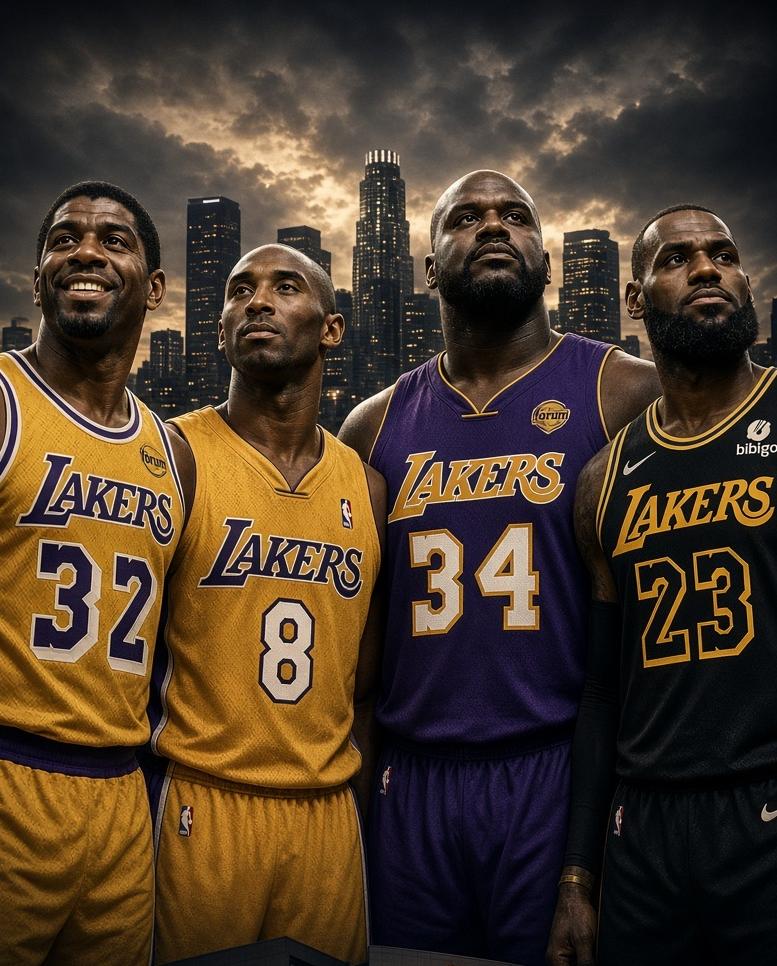
From Kareem Abdul-Jabbar and Norm Nixon to Magic Johnson, James Worthy, Kobe Bryant, Shaquille O’Neal and LeBron James, the Lakers became deeply intertwined with Black Los Angeles. These players were not simply athletes; they became cultural icons who reflected the aspirations of generations of Black people who saw themselves in purple and gold.
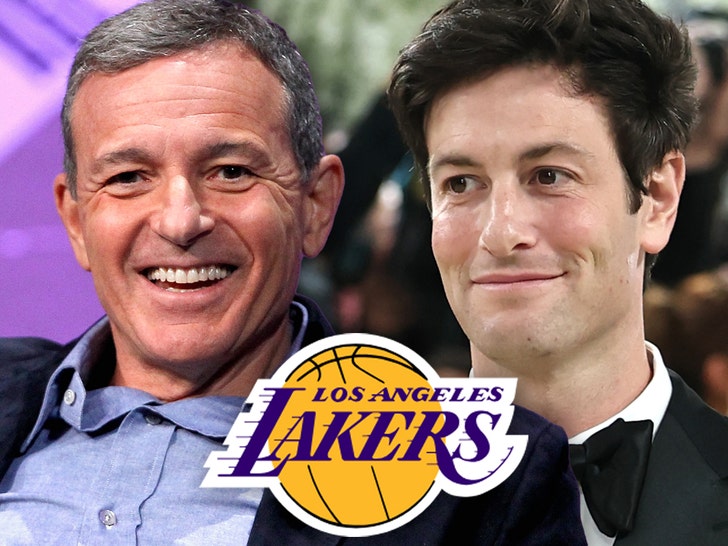
That is why the reported $12.5 billion agreement for businessmen Josh Kushner and Bob Iger to purchase the Lakers should concern anyone who understands the cultural history of this franchise. The record-breaking transaction still requires approval from the NBA Board of Governors.
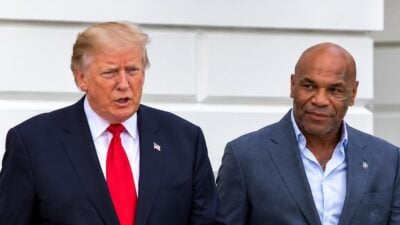
And yes, Josh Kushner is the younger brother of Jared Kushner, who is married to Ivanka Trump, President Donald Trump’s daughter.
Scroll to continue reading




That connection will inevitably generate political conversation. But we should be careful not to confuse a family relationship with evidence of a political conspiracy. There is currently no evidence that this Lakers sale was orchestrated because of LeBron James’ departure.
But the timing is nevertheless striking.
LeBron is gone. The Lakers are now building around Luka Dončić. And one of the most culturally significant franchises in American sports is changing ownership for the second time in roughly a year.
That deserves public discussion.
Owning the Lakers Isn’t the Same as Understanding Them
LeBron spent eight seasons in Los Angeles and became far more than a basketball player here. He became part of the city’s social and cultural landscape. His departure marked the end of an era.
Now the Lakers are entering another one.
And we have to ask: What exactly is being preserved?
Because there is a difference between owning the Lakers and understanding what the Lakers mean to Los Angeles.
A sports franchise can be worth $12.5 billion while simultaneously representing something that cannot be measured on a balance sheet.
The Lakers’ value isn’t only in television rights, sponsorships, ticket sales and championships. Their value is also cultural.
Black Los Angeles helped make the Lakers what they are.
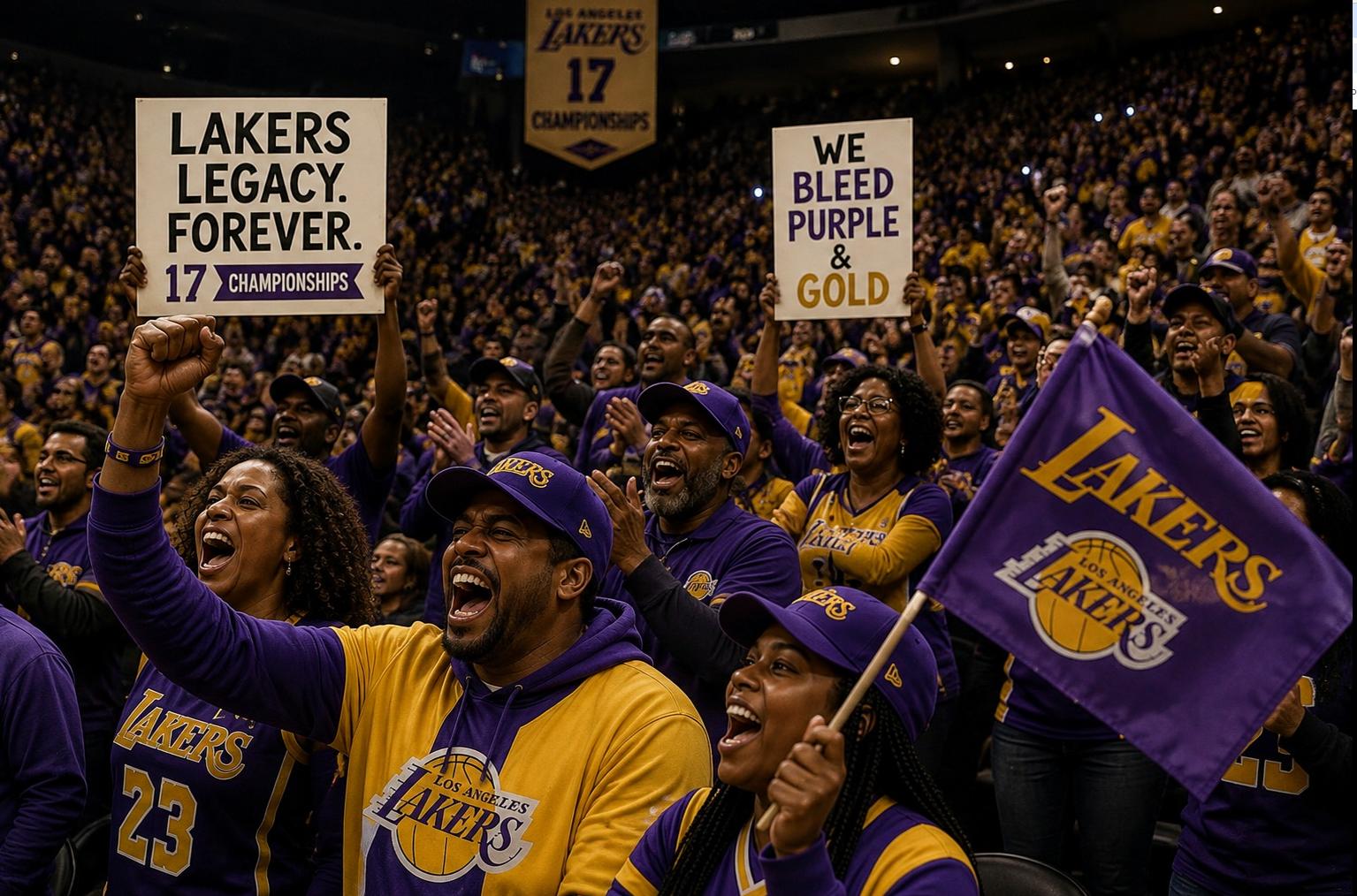
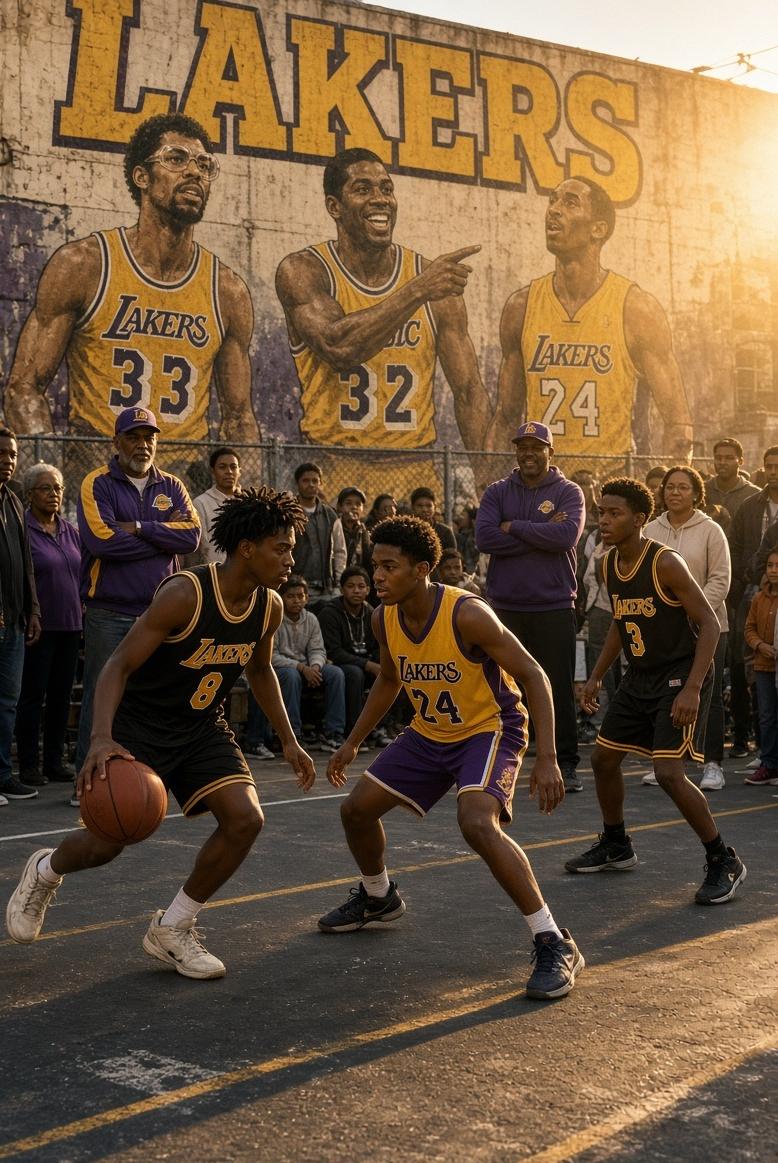
Black fans filled the Forum and later Staples Center. Black families bought jerseys. Black children dreamed of becoming Magic, Kobe, LeBron and countless other players. Black culture helped transform Lakers basketball into a global phenomenon.
So, when ownership changes, we should be asking whether that cultural connection will remain a priority.
Black Culture Deserves a Seat at the Table
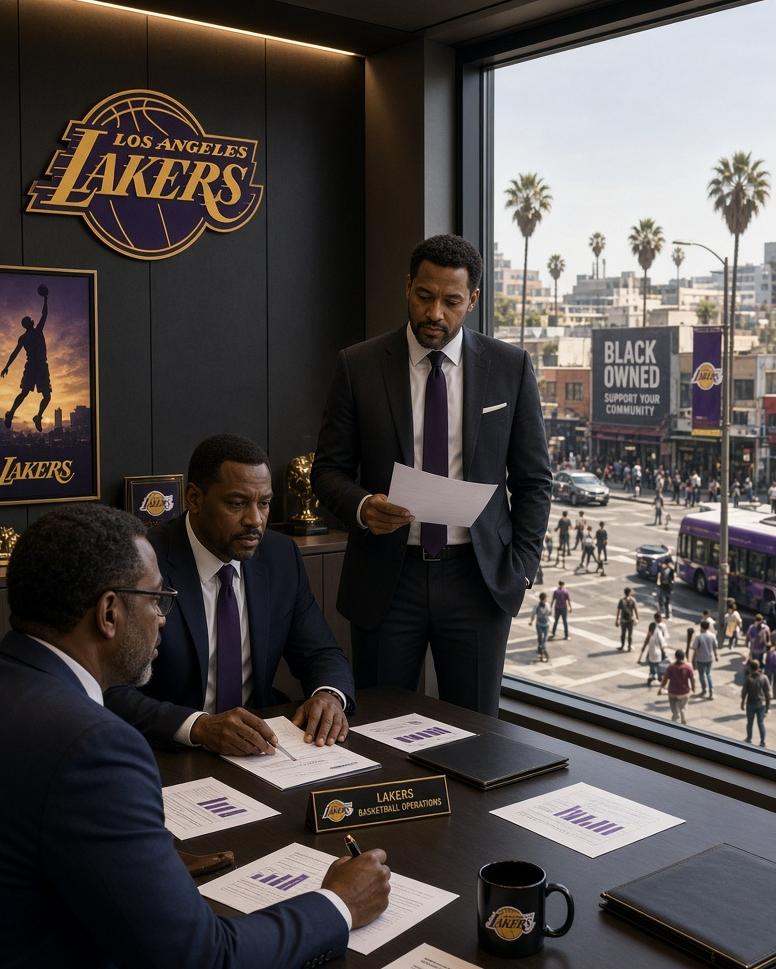
This isn’t an argument that the Lakers must have Black owners.
It is an argument that Black people should not simply be consumers of a cultural institution they helped build.
We should have a voice in its future.
Black athletes have played enormous roles in building the value and cultural relevance of American professional sports, while Black ownership at the highest levels remains limited.
We cannot celebrate Black excellence when Black people are on the court but remain largely absent from ownership suites and major economic decisions.
That is not an indictment of Kushner or Iger personally. They have every right to pursue ownership of the Lakers.
But this moment gives Los Angeles an opportunity to have a larger conversation.
Who owns the culture? Who benefits economically from the culture? And who gets a seat at the table when decisions are made about institutions that have become part of the identity of our communities?
The Next Lakers Era Has Already Started
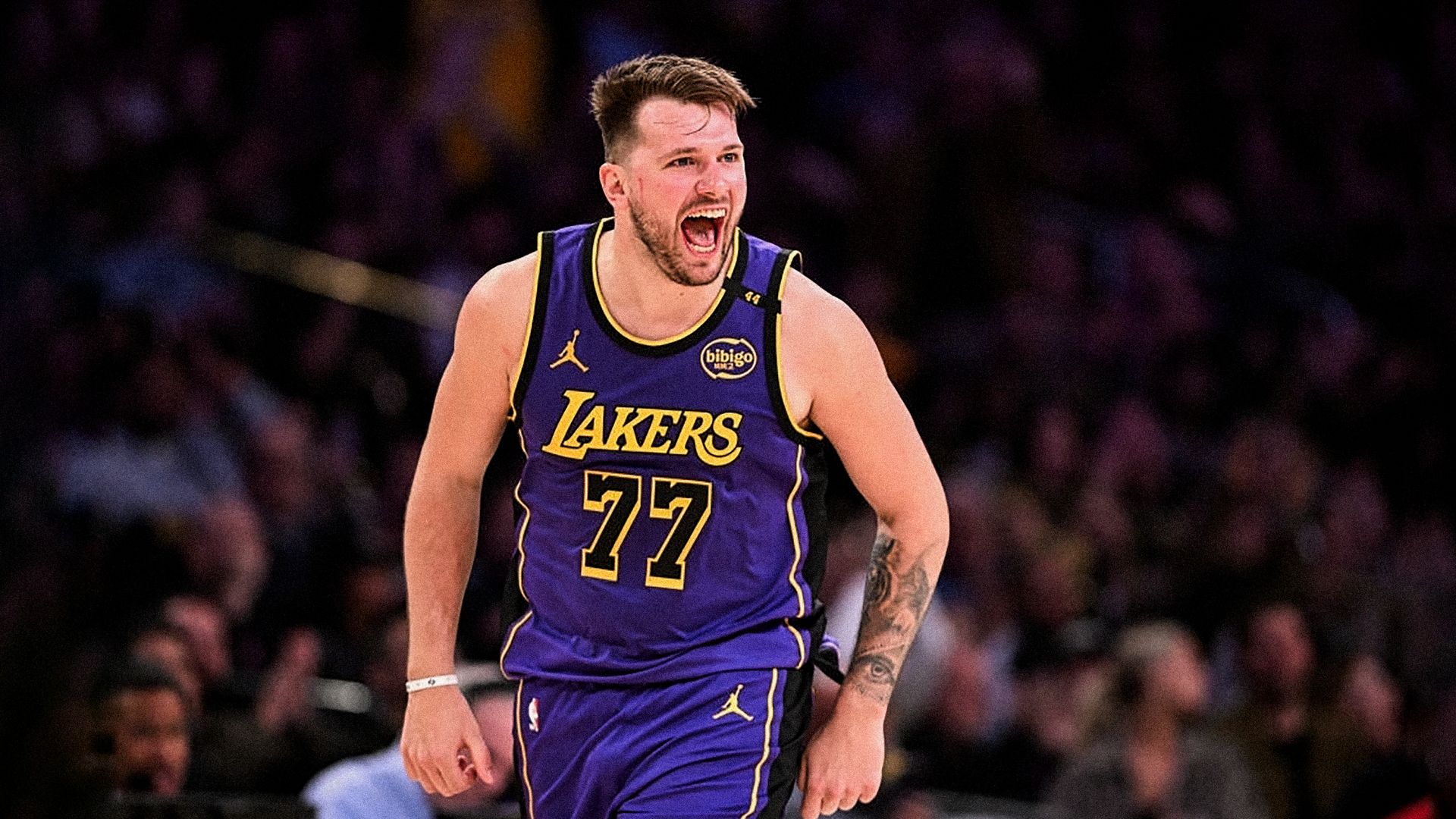
The Lakers are now centered around Dončić, who has publicly expressed enthusiasm about the ownership change and the franchise’s future.
He may lead the franchise to championships. The Lakers may become even more successful under new ownership.
I hope they do.
But winning basketball games isn’t the only measure of success.
The Lakers should remain connected to the communities that made them legendary.
That means meaningful relationships with Black Los Angeles. It means investing in youth basketball. It means supporting Black businesses. It means recognizing the history of Black players, coaches, executives and fans who helped build the franchise’s identity.
You Cannot Buy the History
The Lakers aren’t simply an asset to be passed among billionaires.
They belong emotionally to generations of people who have lived, struggled, dreamed and celebrated with them.
The $12.5 billion question isn’t simply whether prospective new ownership can make the Lakers more profitable.
It is whether those owners understand the responsibility that comes with controlling one of Los Angeles’ most powerful cultural institutions.
You can buy the Lakers.
You can buy television rights.
You can buy sponsorships.
But you cannot buy the history.
And you cannot erase the Black cultural legacy that helped make the Lakers who they are.
The question now is whether the next owners will honor that legacy — or whether Black culture will remain celebrated on the court while Black economic power remains largely outside the rooms where the biggest decisions are made.
That is a question worth asking.
And Los Angeles deserves an answer.

(If You Like/Appreciate This EURweb Story, Please SHARE it!)
MORE NEWS ON EURWEB.COM: Magic Johnson Drops Bomb – Abruptly Quits LA Lakers; He Wasn’t Having Fun – WATCH
We Publish Breaking News 24/7. Don’t Miss Out! Sign up for our Free daily newsletter HERE.