Trump’s Tariffs Fuel Rising Inflation Across the U.S.
*President Donald Trump insists tariffs won’t raise prices, but inflation tells a different story. The U.S. economy has seen costs slowly climb, largely tied to Trump’s latest import taxes.
Economists warn these tariffs will hit consumer goods and may accelerate inflation in the coming months.
The newest wave of tariffs, set to begin next week, will directly impact imports from China, Vietnam, Switzerland, and other nations. Businesses that once absorbed these costs may soon pass them to consumers. That means higher prices on everyday essentials like electronics, clothing, and furniture.
While inflation has remained relatively stable in recent years, data now shows signs of a steady increase. Economists predict more strain on American households as companies adjust to higher costs on imported goods, CNN is reporting.
Scroll to continue reading









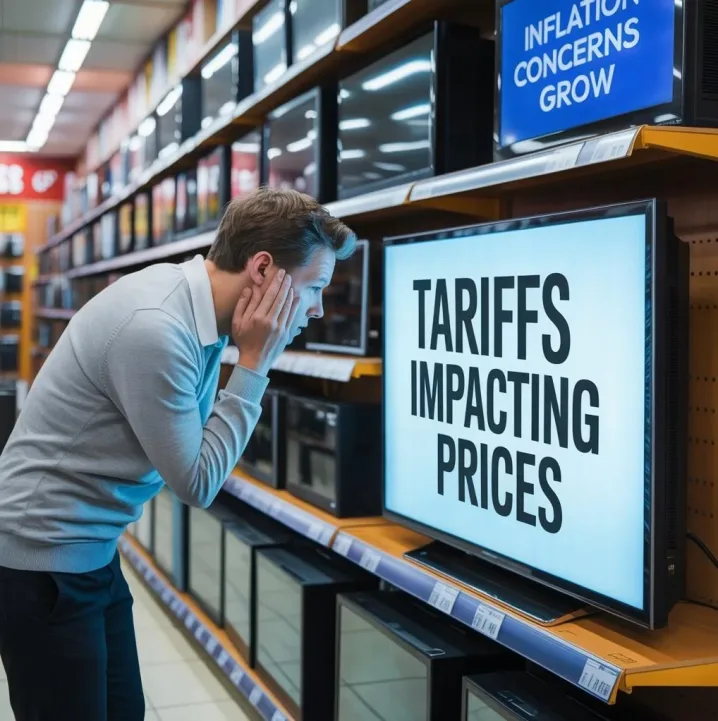
Electronics Prices Expected to Climb Due to Tariffs
Computers and electronics, some of the most imported goods in the U.S., are among the first to be hit. China, Mexico, Taiwan, Vietnam, and Malaysia dominate the electronics market. Goods from China already face a 30% tariff, and rates could rise even higher if no trade deal is reached by August 12.
According to the Consumer Price Index, computer costs have risen nearly 5% since June of last year. Yale Budget Lab estimates tariffs could push electronics prices up 18.2% in the short term and 7.7% in the long term. Even goods from India, another supplier, will soon face a minimum 25% tariff.
As these increases take hold, American consumers may feel the pinch on laptops, tablets, and home electronics—items that are staples for both work and personal use.
Clothing, Watches, and Shoes Also Affected
Clothing is another major import for the U.S., sourced from China, Vietnam, Bangladesh, India, and Indonesia. Yale Budget Lab predicts apparel prices could jump 37.5% in the short run and 17.4% long-term. Shoppers may soon pay more for basic wardrobe staples.
Luxury goods aren’t spared either. Switzerland, which exports over $4 billion in watches to the U.S., will face a 39% reciprocal tariff. Leather goods, including watches and high-end shoes, could see costs soar nearly 40% initially before leveling at an 18.9% increase long-term.

Shoes from China, Vietnam, and Indonesia will also see tariffs starting at 19%. For families and athletes alike, this means paying more for footwear essentials.
Tariffs to Impact Alcohol, Furniture, and Toys
Tariffs are also targeting imported alcohol, which accounts for 35% of U.S. alcohol revenue. Wine, whiskey, and vodka from Europe face higher taxes, with rates increasing from 10% to 15%. This hike will affect restaurants, retailers, and consumers alike.
Vietnam and China, the top suppliers of U.S. furniture, will face steep tariff hikes. This could drive up prices on household essentials like tables, chairs, and beds. Toys from China and Vietnam are also in the crosshairs, with brands already warning of higher costs for parents.
Economists at Goldman Sachs estimate it could take up to eight months before these costs fully reach consumers. Businesses stockpiled goods ahead of tariffs, but inventories are expected to dwindle soon, forcing price hikes.
How Trump’s Tariff Policy Has Evolved
Trump has maintained a 10% universal tariff but raised rates to 15% for about 40 countries with U.S. trade deficits. Some countries face even higher rates. Brazil, despite running a trade surplus with the U.S. last year, now faces a total 50% tariff after recent hikes.
This aggressive trade stance has created uncertainty for businesses and consumers alike. Without new trade deals, Americans could see price increases on more products by year’s end.
Economists warn that these tariff-driven costs will disproportionately affect low and middle-income households. As essentials like clothing, furniture, and electronics grow pricier, inflation pressures are expected to intensify.
When Will Consumers Feel the Full Impact?
Experts predict it will take several months before tariffs fully ripple through consumer prices. Companies have been absorbing costs and stockpiling goods, but those buffers won’t last. Goldman Sachs expects the effects to peak within eight months.
Unless trade tensions ease, everyday Americans should prepare for more expensive shopping trips. Electronics, clothing, and household essentials are among the first items projected to rise sharply in cost.
Trump’s tariffs are reshaping the economic landscape, making imports pricier and inflation harder to control. The coming months will reveal how much this policy impacts the average American wallet.
MORE NEWS ON EURWEB.COM: Inside Kamala’s Memoir: The Untold Truth About Biden’s Exit & Her Short-Lived Campaign!| WATCH
We Publish Breaking News 24/7. Don’t Miss Out! Sign up for our Free daily newsletter HERE.