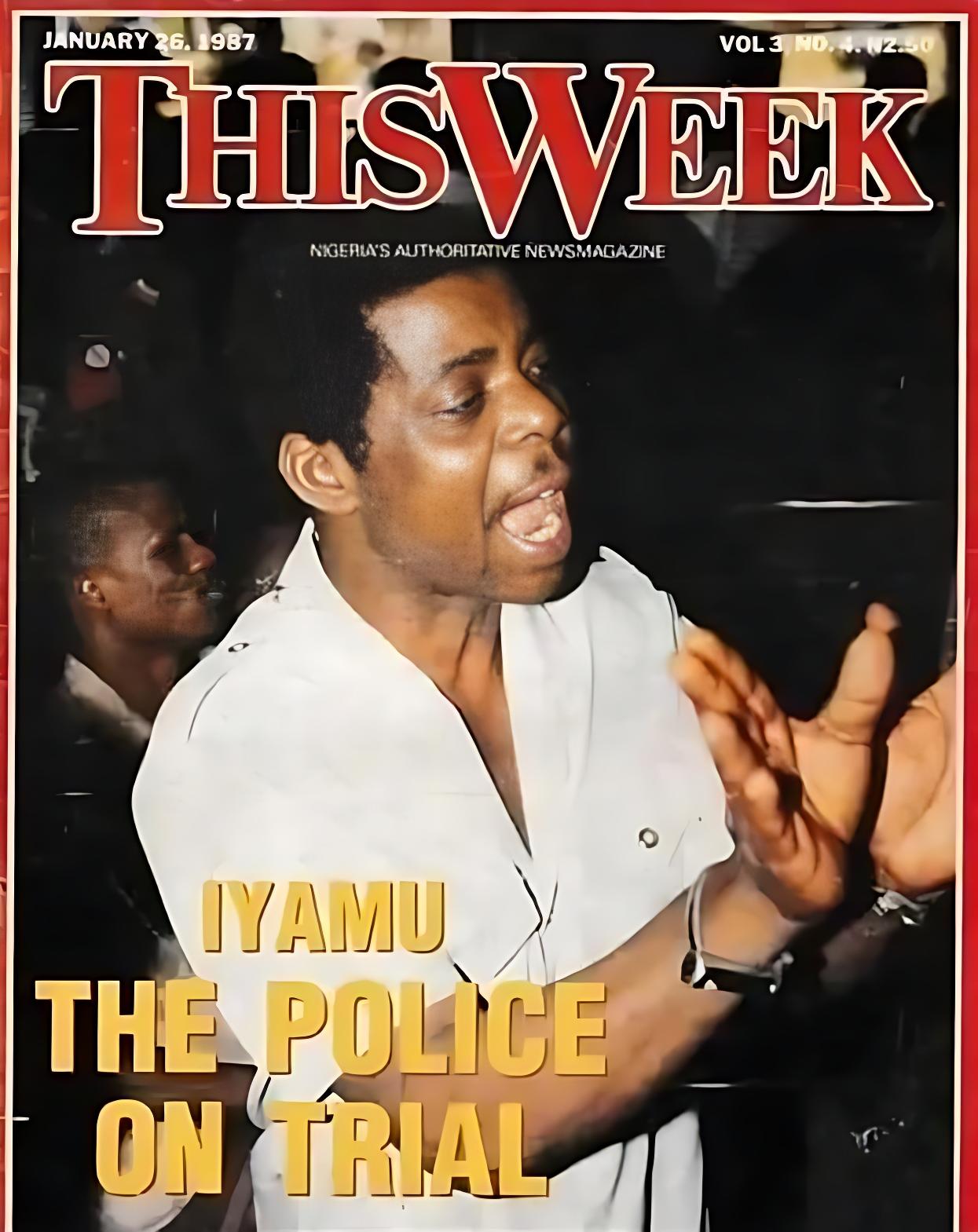
*In July 1986, THISWEEK magazine entered the Nigerian media landscape with an ambition that had never been attempted in the country’s publishing history. Operating from 113 Ogunlana Drive, Surulere, Lagos, the magazine introduced a new model of production that fused Nigerian editorial excellence with international printing standards. Each completed weekly edition was flown to London every Friday, printed on high‑quality glossy stock, and shipped back to Nigeria for Monday distribution. This transcontinental workflow marked a radical departure from local printing practices and set a new benchmark for magazine production in West Africa.
THISWEEK did not merely join the ranks of Nigerian news magazines — it redefined them. At a time when NEWSWATCH dominated the field, THISWEEK emerged as a bold challenger, demonstrating that Nigerian journalism could operate at global production quality. Its full‑colour pages, crisp photographic reproduction, and modern layout design introduced a visual sophistication previously unseen in Nigerian weekly publications.
This commitment to international‑grade printing transformed expectations across the industry. It signaled that Nigerian stories deserved world‑class presentation, and it inspired a generation of publishers, designers, and journalists to raise their standards.
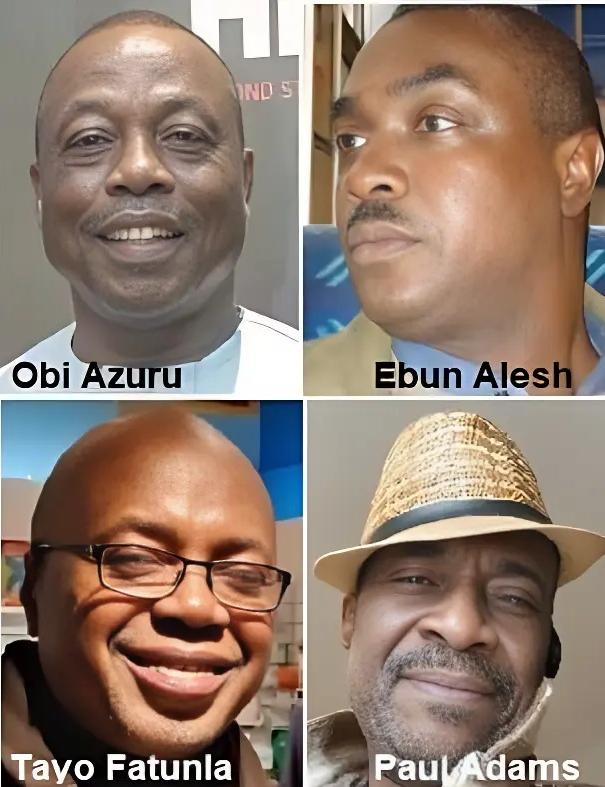
Within this pioneering environment, the art department played a central role in shaping the magazine’s identity. Working alongside Obi Azuru, Ebun Aleshinloye, and Paul Adams, I contributed editorial cartoons, illustrations, and cover designs that helped define the magazine’s visual voice. Production nights often stretched into the early hours, and frequent power failures meant that much of the work was completed by candlelight — a testament to the determination behind the magazine’s weekly output.
Scroll to continue reading





Despite these challenges, the department produced work that matched the ambition of the publication: bold, colourful, and visually articulate.
Before joining THISWEEK, I served as an editorial cartoonist at Punch newspaper, thanks to the support of Sam Amuka‑Pemu, who first recognised my talent.
After two years at Punch, Publisher Nduka Obaigbena invited me to join his new venture, where my role expanded beyond cartooning. I travelled to the United States to procure specialised art materials for the magazine, drawing on my knowledge of suppliers from my studies in New Jersey.
These experiences — from Punch to THISWEEK — formed the foundation of my editorial voice and visual storytelling practice.
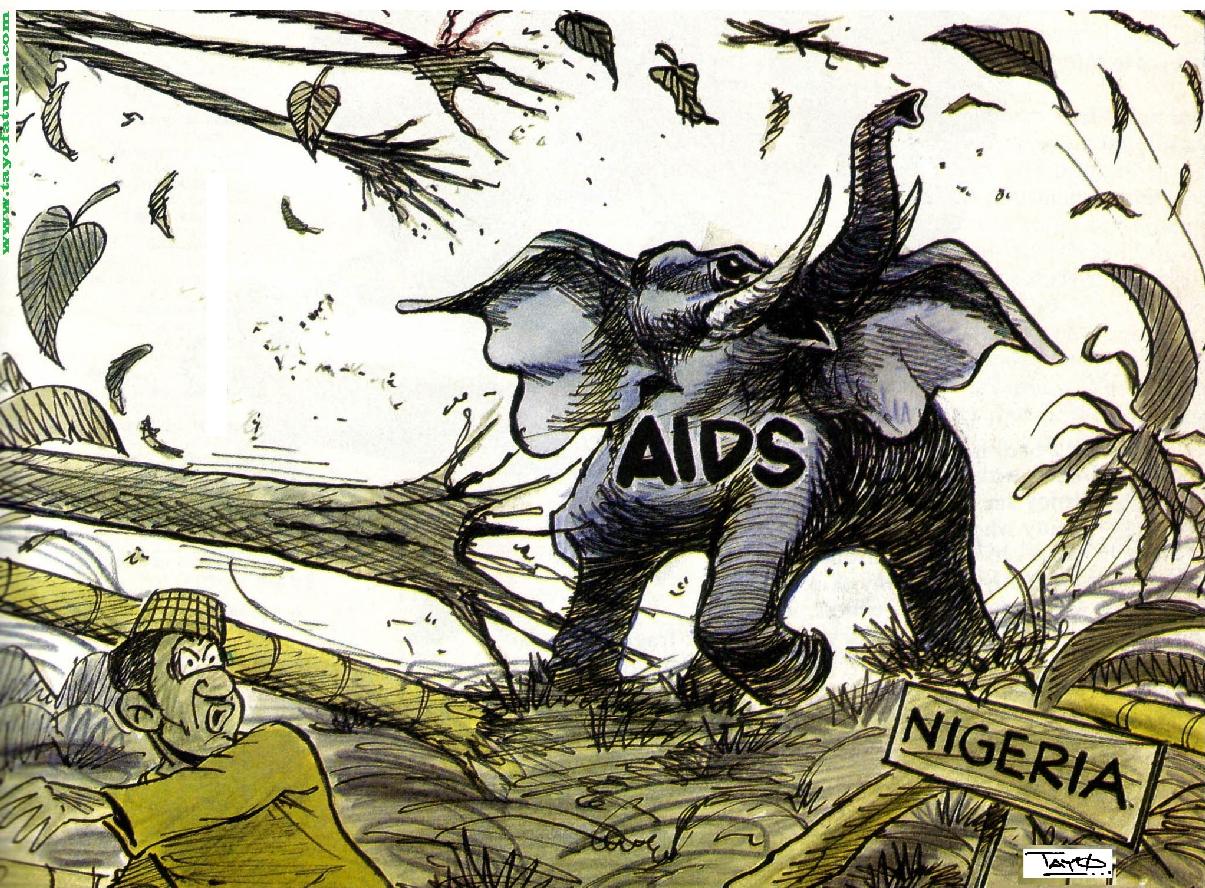
Before relocating to the United Kingdom in 1989, I preserved my THISWEEK work in bound volumes. These volumes contain cartoons, illustrations, cover designs, and visual commentary that document the evolution of my artistic style and the magazine’s editorial direction.
They serve as a tangible record of a formative period in Nigerian journalism — a time when colour printing was still rare, and when visual storytelling played a crucial role in shaping public discourse.
After leaving Nigeria, I continued my work as Resident Artist for West Africa magazine in London from 1989 to 1999, carrying forward the discipline and visual sensibilities developed during the THISWEEK years.
Today, the legacy of THISWEEK endures not only in its bound volumes and surviving editions but also in the standards it set. Its production model, visual ambition, and editorial boldness helped usher Nigerian magazine publishing into a new era — one defined by international quality, modern design, and a belief that Nigerian journalism could stand shoulder‑to‑shoulder with global counterparts.
To have been present at the inception of THISWEEK — and to have contributed to its visual identity — remains a profound honour. Under the leadership of Nduka Obaigbena and with the editorial direction of Sonala Olumhense, the magazine assembled a remarkable team of writers, reporters, and artists. Together, we helped launch a publication that changed the trajectory of Nigerian journalism.
THISWEEK was more than a magazine. It was a milestone in media history in Nigeria— a game changer whose influence continues to echo forty years later.
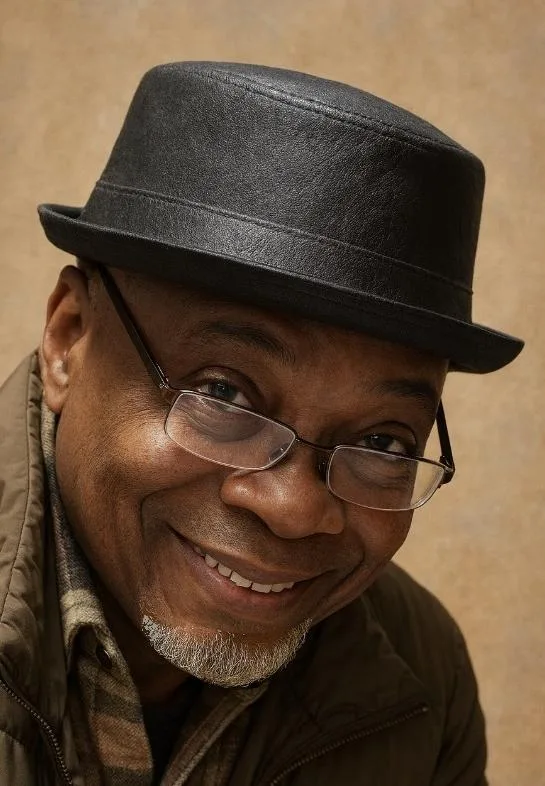
TAYO Fatunla is an award-winning British-Nigerian comic artist, editorial cartoonist, writer, illustrator, and artist of the African diaspora, whose work has been featured on MSN.com via EURweb.com. A graduate of the prestigious Kubert School in New Jersey, USA, he received the 2018 ECBACC Pioneer Lifetime Achievement Award for his illustrated OUR ROOTS creation and series, Famous People in Black History. He has taken part in UNESCO’s Cartooning in Africa forum in Addis Ababa, Ethiopia, and the Cartooning Global Forum in Paris, France. His public work also includes illustrating Camberwell’s Black history walk map and plaques, reinforcing his reputation as a cultural educator and visual historian. His image of Fela Kuti is prominently featured in Burna Boy’s Afrobeat hit song “Ye”. – https://www.instagram.com/tfatunla123
(If You Like/Appreciate This EURweb Story, Please SHARE it!)
MORE NEWS ON EURWEB.COM: Nigerian Akara Seller Accused of Mixing Human Feces into Food, Sparking Outrage Online
We Publish Breaking News 24/7. Don’t Miss Out! Sign up for our Free daily newsletter HERE.