*Southwest Airlines finds itself navigating a turbulent transition after scrapping the open seating policy it maintained for 58 years in favor of an assigned seating model. The overhaul has generated a mounting wave of complaints from travelers caught in the middle of the carrier’s growing pains.
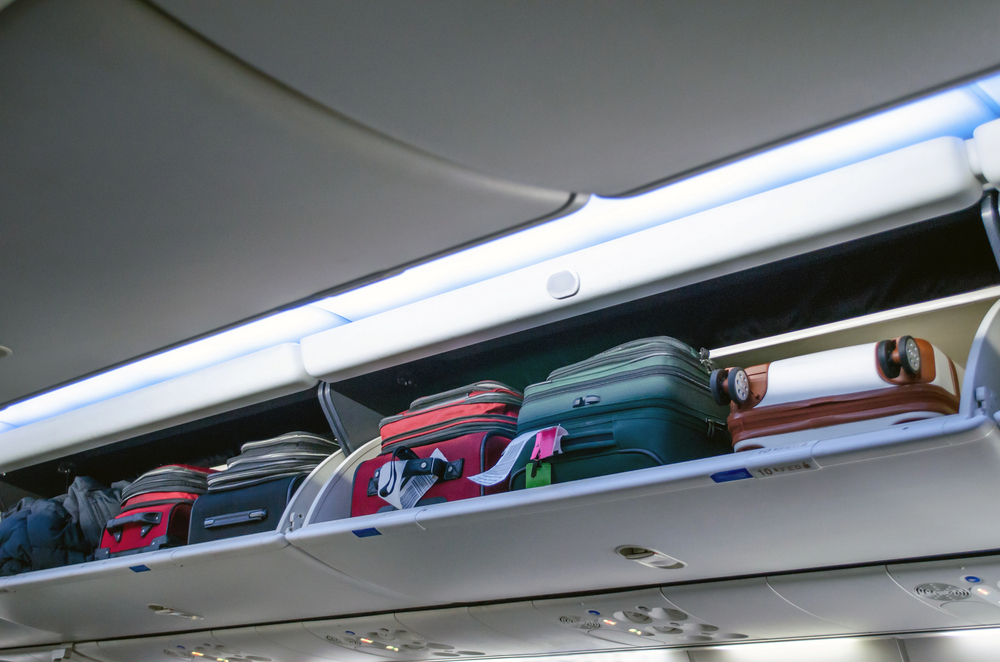
The airline’s original tiered boarding structure separated passengers into priority and numbered groups, giving A-List members and extra-legroom ticket holders the advantage of boarding early. The arrangement exposed an immediate problem — passengers assigned to later groups consistently arrived at their seats to find nearby overhead storage already claimed, stalling departures at gates and jet bridges across the network.
An early attempt to ease the bottleneck by consolidating extra-legroom travelers into Group 1 only deepened congestion toward the front of the cabin. The scramble for overhead space is part of a broader industry pattern, driven largely by widespread checked baggage fees that push travelers to carry luggage on board whenever possible.
On February 18, Southwest introduced a revised boarding framework in an effort to stabilize the situation. Rows 1 through 3 and self-help emergency exit seats were designated as Group 1, while Group 2 was assigned to A-List Preferred members, Choice Extra fare holders, and extra-legroom passengers. The airline also shifted a flight attendant storage bin from the front of the plane to the rear to relieve crowding, describing the move as “being done to help solve congestion in the jet bridge and bin space issues we saw this past week.”
Scroll to continue reading









The updated groupings triggered a fresh wave of jockeying, as passengers rushed to lock in seats in Rows 1 through 3 to secure earlier boarding positions. The TWU 556 flight attendant union blamed the disorder on “poor planning” by the airline.
MORE NEWS ON EURWEB.COM: Southwest Airlines Ends Free Extra Seat Policy for Plus-Size Passengers
Sign up for our Free daily newsletter HERE.