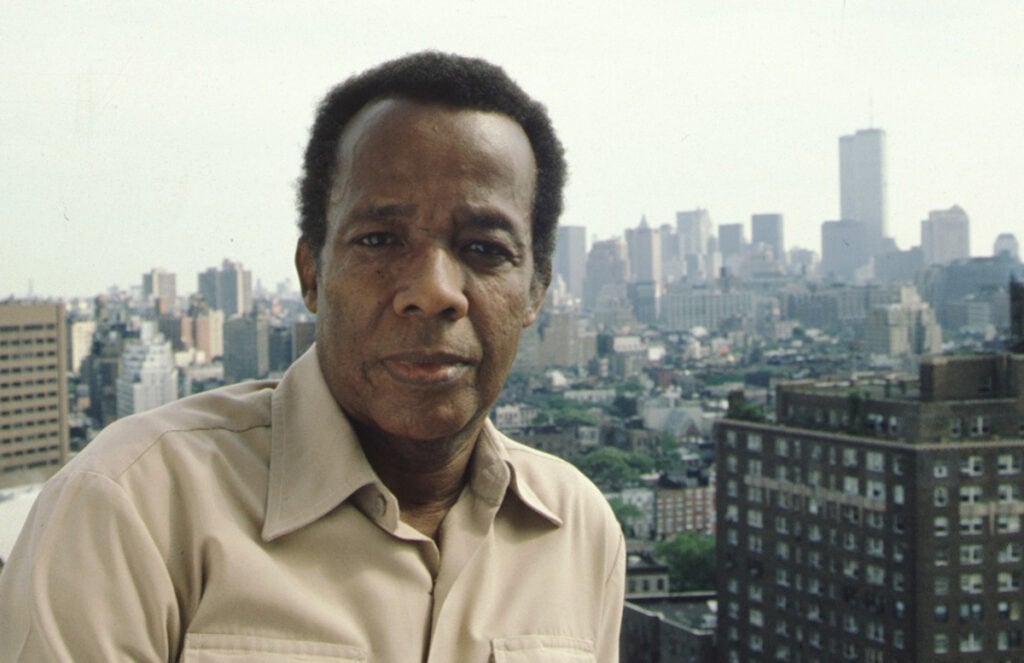
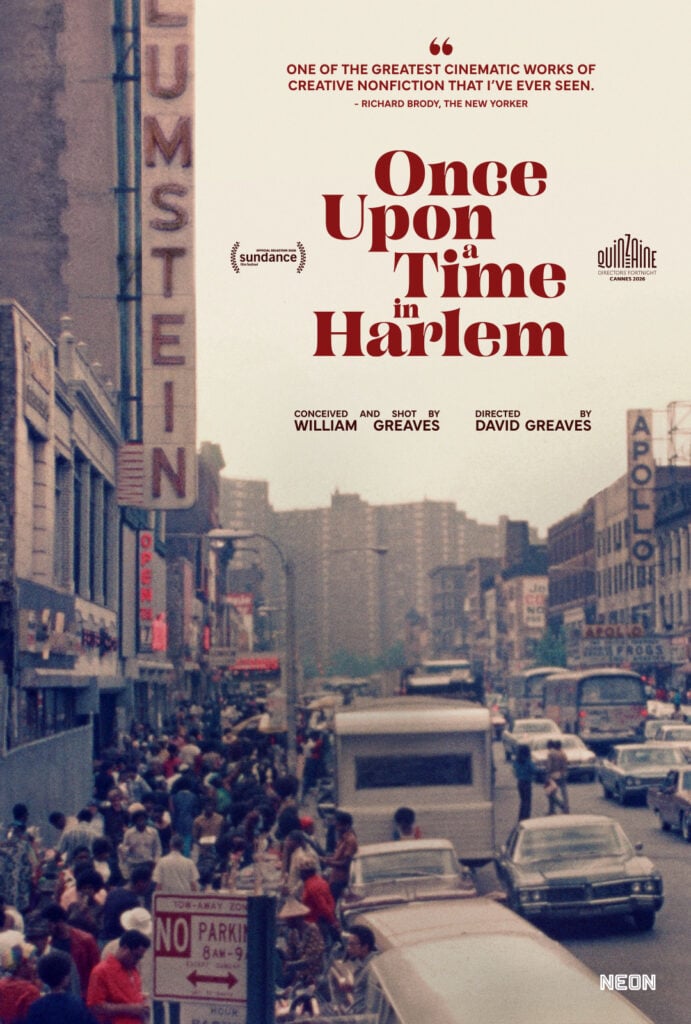
*More than 50 years after filmmaker William Greaves brought together surviving figures of the Harlem Renaissance for an extraordinary evening, audiences can finally witness their conversations. “Once Upon a Time in Harlem,” directed by his son David Greaves, opens in New York theaters this week.
The documentary takes viewers inside a 1972 gathering that William organized in Harlem. For more than four hours, writers, artists, musicians and intellectuals exchanged memories, debated ideas and shared laughs. Some had not seen one another in nearly half a century.
The guest list included Arna Bontemps, Eubie Blake, Romare Bearden, Aaron Douglas, James Van Der Zee and Richard Bruce Nugent. Greaves captured the gathering on 16mm film, and the newly restored footage is the documentary’s centerpiece. Liani Greaves and Anne de Mare produced the film, and Tamar-kali composed the music.
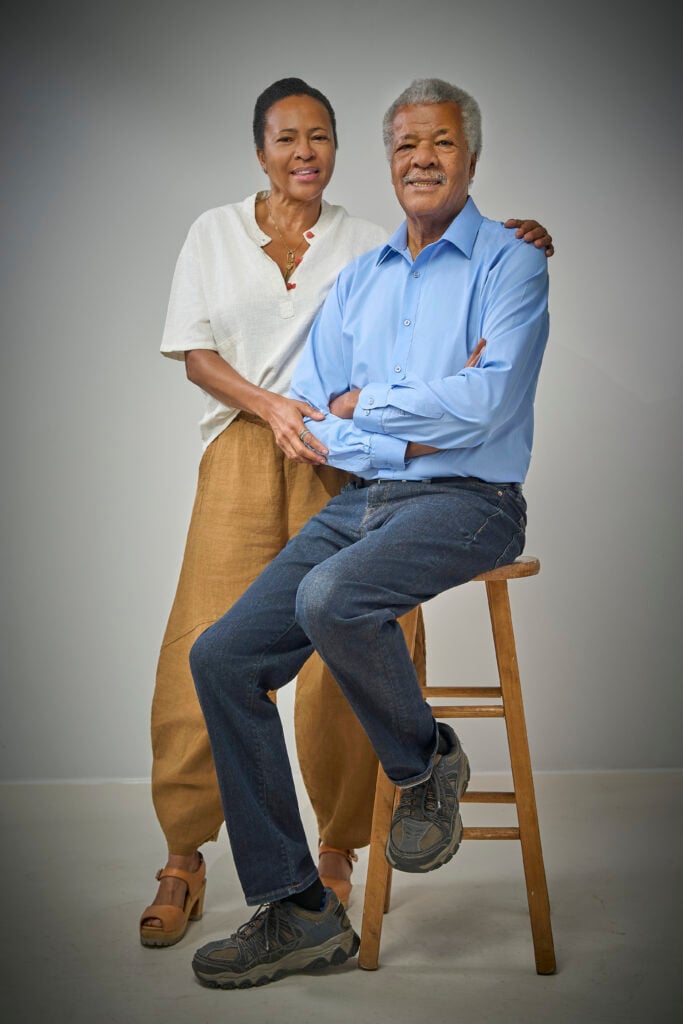
David and Liani spoke with EURweb about completing the documentary, rediscovering overlooked history and what today’s artists can learn from the Harlem Renaissance. For David, returning to his father’s footage brought back memories of his own years in the editing room. He had spent roughly 15 years working with film, and his old instincts immediately resurfaced.
Scroll to continue reading




“My hand shot forward to where my control panel would have been on the editing table 50 years ago,” he recalled. “It felt very comfortable. I grew more and more comfortable as I was going through it, because we had gone through it.”
Beyond that personal connection, David understood what his father had hoped to accomplish by bringing these cultural figures together. “He wanted them to be able to tell their stories, and he wanted us to be able to hear their stories,” David explained.
According to David, William Greaves believed creativity carried a spiritual dimension. Rather than directing the conversation, his father trusted that gathering accomplished artists in one room would produce something meaningful.
“He believed in the divinity of creativity being an expression of the divine, and that’s how we opened it,” David said. “Bring them all together into the spot, and they will interact. They will interact, and they will create something because that’s who they are.”
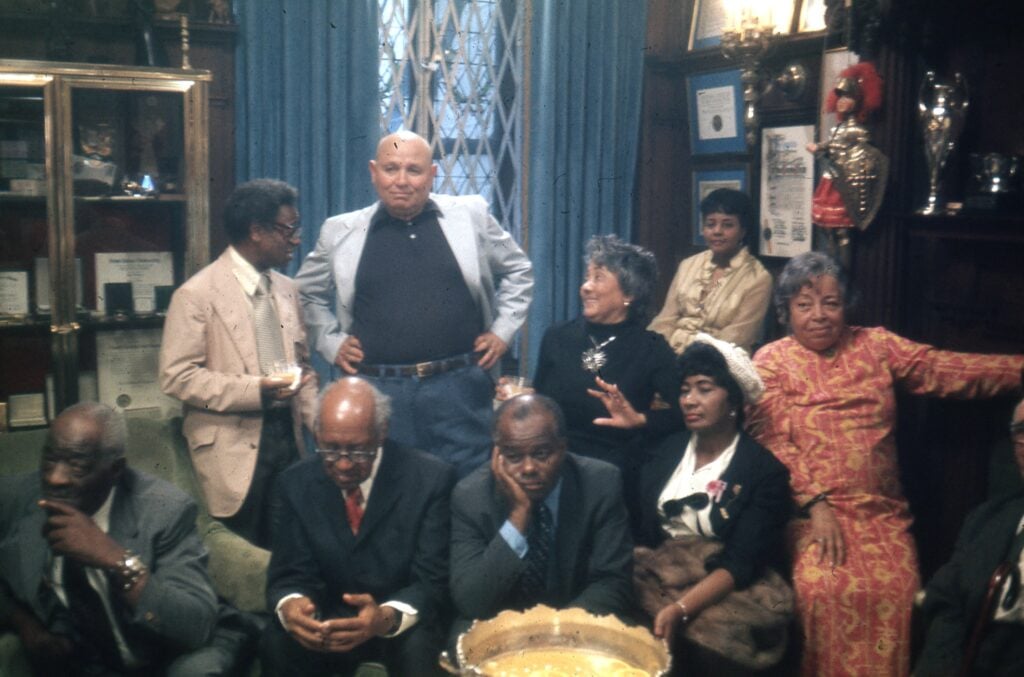
The resulting conversations preserved personal accounts that conventional historical narratives often overlook. “Most of what we have in the film is not in the history books, and that’s why we had to record it.”
That historical value also guided David’s editing choices. He gravitated toward stories that revealed something unexpected while capturing the humor and personalities of the people telling them.
One involved former New York Mayor Jimmy Walker, whom David noted is often remembered for corruption. In the documentary, Leigh Whipper recalls Walker extending his hand to Bill Robinson after Charles Lindbergh refused to shake it.
David also highlighted Richard B. Moore’s account of a Harlem crowd booing and hissing at Theodore Roosevelt. “And I love… Richard Moore, where he talks about Theodore Roosevelt being booed and hissed. I love the word hissed because it says something, it says something that he wasn’t just booed, he was hissed by Black people in Harlem.”
While David brought decades of familiarity with his father’s work, Liani approached the footage from a different perspective. “I wasn’t necessarily revisiting. I was seeing it for the first time,” she said.
The experience introduced her to cultural figures she had never encountered, including Gerri Major and Leigh Whipper. As she learned their stories, she began to appreciate how deeply their contributions influenced later generations.
“These were the people that created… the landscape for the art and culture as we know it to be in this world,” she said.
Liani also recalled a remark from Richard Bruce Nugent about how people living through a cultural movement rarely recognize its historical significance at the time. What stood out to her was the sense of community that connected the artists.
“They were just so committed to each other, to loving on each other, to being in community with each other, to creating art with each other,” she said. “And that was their commitment.”
Their example prompted Liani to consider how today’s creative communities might influence future generations, even without realizing it.
“What are we creating in this moment?” Liani asked. “We are creating that legacy for our future, for the future right now.”
David also wondered how future generations would learn about the conversations today’s artists are having if no one records them. “The folks may be having the same important discussions, but there won’t be any cameras 100 years from now to tell what that discussion was,” he said.
Of course, the original gathering depended on more than William Greaves’ vision. Regina Andrews, a librarian at the Schomburg, helped assemble the guest list through her extensive personal connections.
The documentary continues William’s lifelong exploration of Black history, identity, and consciousness. For David, bringing the footage to audiences fulfills his father’s desire to ensure these artists received recognition. “He really wanted folks to understand the importance of these folks,” David said.
Liani hopes the documentary encourages viewers to explore the lives and accomplishments of the Harlem Renaissance figures they encounter onscreen. “I hope that it sparks their curiosity to learn more,” she said.
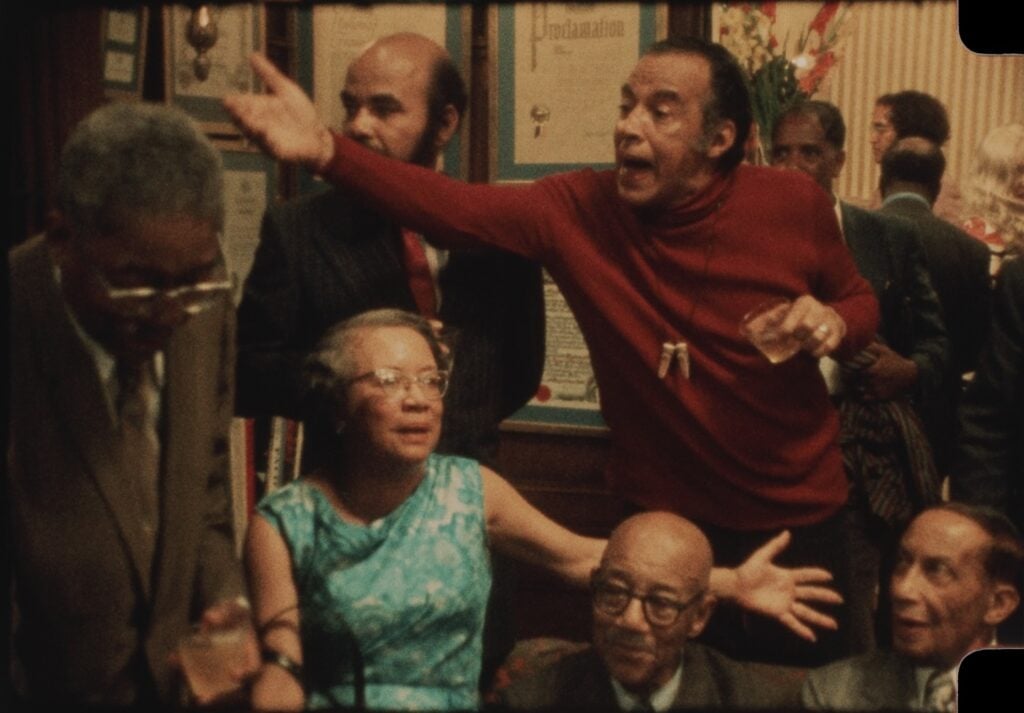
She also wants audiences to recognize “how infinitely creative they are meant to be in this world.”
David, meanwhile, has found particular meaning in the gratitude viewers have expressed after screenings. Those reactions remind him of the gift his father intended to leave behind.
“When they say thank you, it’s like my father saying, yeah, well, it was a gift. You got it,” he said.
Watch EURweb’s full interview with David and Liani Greaves below.
“Once Upon a Time in Harlem” opens Friday, Oct. 16, at Film Forum and Film at Lincoln Center in New York. The film arrives in Los Angeles on Oct. 23.
MORE NEWS ON EURWEB.COM: Cardi B Goes Viral Cleaning Her Grandparents’ House, and Fans Have Jokes
Sign up for our Free daily newsletter HERE