
*Nas is calling out the music industry for failing to properly compensate the Black artists whose creativity helped build modern popular music.
The legendary rapper says too many pioneers have watched others profit from their contributions while their own financial rewards and recognition fell short.
In an open letter shared on social media, Nas criticized the industry’s treatment of its musical foundations and urged artists and executives to remember the people who made today’s success possible.
“The music game forgets or doesn’t compensate the foundation. Our greats have been stolen from and ripped off of,” Nas posted on his Instagram account.
His remarks raise a familiar but unresolved question: Who owns Black music’s legacy, and who receives the money it continues to generate?
Scroll to continue reading









Nas Highlights the Exploitation of Black Music Pioneers
Nas referenced legendary blues musician Robert Johnson, whose influence extended far beyond his lifetime and helped shape generations of rock, blues and popular music performers.
Johnson’s legacy illustrates how Black musicians helped establish musical traditions that later became enormously profitable. For decades, disputes involving recording contracts, publishing rights and royalty payments have raised questions about whether pioneering Black artists received fair compensation for their work.
Nas’ statement brings renewed attention to those longstanding concerns, particularly as older recordings continue finding audiences through streaming, sampling and licensing.
From Musical Legacy to Black Ownership
The criticism carries additional significance because Nas has worked to preserve hip-hop history through his involvement with Mass Appeal, the entertainment company behind projects celebrating influential artists.
Its Legend Has It initiative has featured veteran performers whose contributions helped establish hip-hop as a global cultural force.
That work connects Nas’s criticism to a larger industry conversation: Celebrating Black musical achievement is important, but recognition alone does not resolve questions about ownership and compensation.
Artists who control their masters, publishing rights and licensing arrangements may have greater opportunities to benefit financially from their work over time.
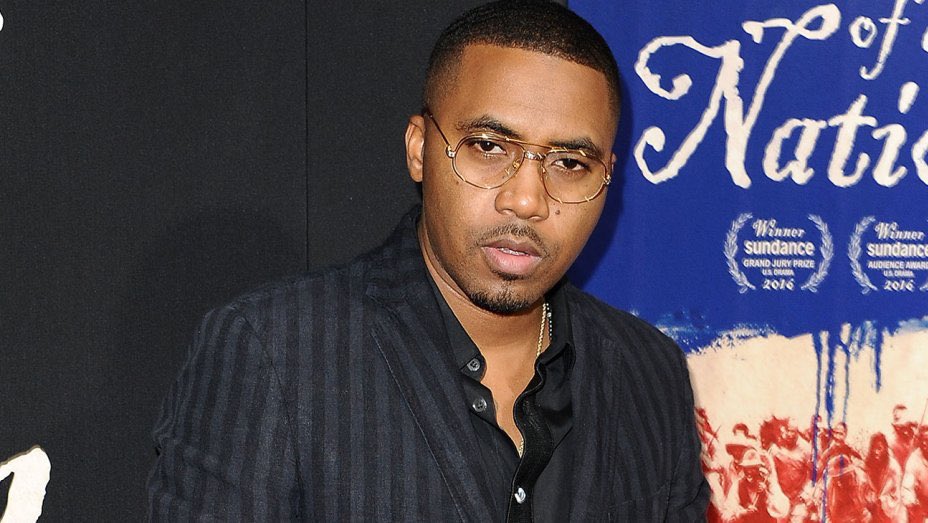
Nas Challenges the Next Generation
Nas also urged today’s artists and executives to look beyond short-lived trends and recognize the musical traditions that made their careers possible.
His message comes as hip-hop continues to evolve commercially, with new performers building on sounds and styles created decades earlier.
The rapper signed his statement “BLAK MUSIC 2026,” prompting interest in what he might have planned next. However, he did not confirm a specific release or project under that name.
For Nas, the issue extends beyond nostalgia. His remarks challenge an industry that celebrates Black musical innovation to examine whether the people responsible for that innovation have received their rightful financial rewards.
And as new generations profit from music’s past, the question remains whether its pioneers and their families will share more fully in its future.
(If You Like/Appreciate This EURweb Story, Please SHARE it!)
RELATED NEWS ON EURWEB.COM: Nas Announces His MasterClass on Hip-Hop Storytelling
We Publish Breaking News 24/7. Don’t Miss Out! Sign up for our Free daily newsletter HERE.