*If you’re wondering whether it’s time to turn your clocks back, not quite yet.
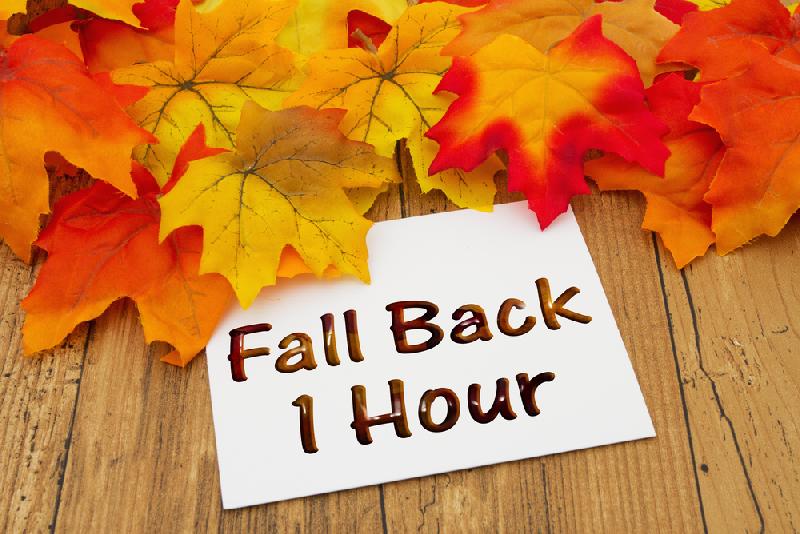
Daylight saving time 2026 officially ends Sunday, Nov. 1, when most Americans will gain an extra hour as clocks return to standard time.
The annual change happens at 2 a.m., when clocks move backward to 1 a.m.
That means an extra hour of sleep for many people, although overnight workers and anyone with early Sunday plans may need to adjust their schedules.
And despite renewed efforts in Washington to eliminate the twice-yearly clock changes, the November switch is still scheduled to happen.
Scroll to continue reading










When Do Clocks Fall Back in 2026?
Daylight saving time ends Sunday, Nov. 1, not this coming weekend.
Most smartphones, computers and other connected devices will adjust automatically. However, traditional clocks, watches and some household appliances may need to be reset manually.
Daylight saving time will return Sunday, March 14, 2027, when clocks move forward one hour.
Congress Moves Toward Permanent Daylight Saving Time
The debate over changing clocks has gained momentum in Congress.
On July 14, the U.S. House of Representatives passed the Sunshine Protection Act by a bipartisan vote of 308–117, according to the official House voting record.
The legislation would make daylight saving time permanent, eliminating the need to change clocks every spring and fall.
However, the proposal still requires Senate approval and the president’s signature before becoming law.
According to the U.S. Government Publishing Office, the bill was referred to the Senate Commerce, Science, and Transportation Committee on July 15.
Which States Don’t Change Their Clocks?
Hawaii and most of Arizona do not observe daylight saving time. The Navajo Nation, which extends into Arizona, does participate.
Puerto Rico, Guam, American Samoa, the Northern Mariana Islands and the U.S. Virgin Islands also remain on standard time year-round. Meanwhile, 19 states have approved measures supporting permanent daylight-saving time, but federal restrictions prevent those changes from taking effect independently.
Will Americans Stop Changing Clocks?
Supporters of permanent daylight saving time argue that keeping more daylight in the evening would benefit families, businesses and outdoor activities.
Opponents raise concerns about darker winter mornings, particularly for children traveling to school and people commuting before sunrise.
For now, the debate continues.
The bottom line: Unless federal law changes, remember to turn your clocks back one hour before going to bed Saturday, Oct. 31.
(If You Like/Appreciate This EURweb Story, Please SHARE it!)
RELATED NEWS ON EURWEB.COM: House Approves Bill to End Clock Changes, Sending Permanent Daylight-Saving Time Measure to Senate
We Publish Breaking News 24/7. Don’t Miss Out! Sign up for our Free daily newsletter HERE.