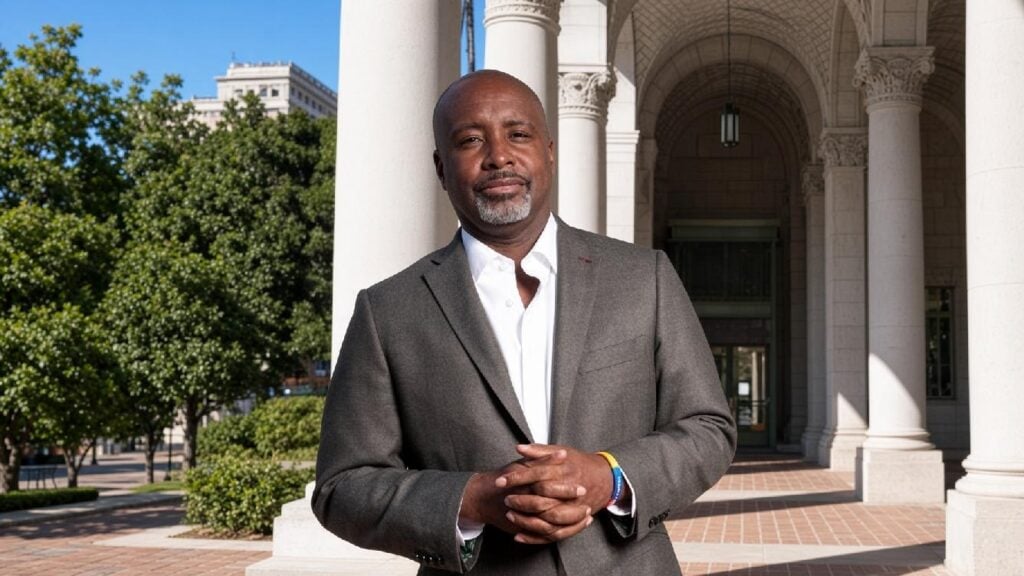
*It seemed only a matter of time. The “it” is the announcement that a group of residents in Los Angeles City Council District 8 has launched a recall effort against Council President Marqueece Harris-Dawson.
I say only a matter of time because of the nearly nonstop complaints I have heard from residents about his representation.
They blame him for persistent illegal street dumping, dirty streets, chronic joblessness, business closures and widespread homeless encampments.
They also question what they see as a lack of progress on promises to invest millions in transforming a vital section of the Crenshaw district through Destination Crenshaw.
Whether those grievances are enough to generate a successful recall is another matter entirely.
Scroll to continue reading








The Harris-Dawson Recall Faces Major Hurdles
The Los Angeles City Clerk approved the recall petition for circulation on October 28, 2026. Organizers have until February 25, 2027, to submit the required signatures.
Harris-Dawson dismissed the effort with a defiant statement:
“My focus is squarely on serving the residents of Eighth District and leading the City Council. With so many pressing issues facing our communities, there is no time for distractions.”
The operative word is “distractions.”
Harris-Dawson clearly views the recall as an attempt to interfere with his work in the district. That argument could become central to his response if the campaign gains momentum.
At first glance, he appears well-positioned to withstand the effort.
Recalling an elected official is no easy undertaking. Under Los Angeles rules, organizers must collect valid signatures equal to 15% of registered voters in the affected district.
For District 8, that means 21,569 valid signatures.
The petition must then be submitted to the City Clerk for verification. Only if the required signatures are validated can the process move toward a recall election.
That’s a formidable challenge.
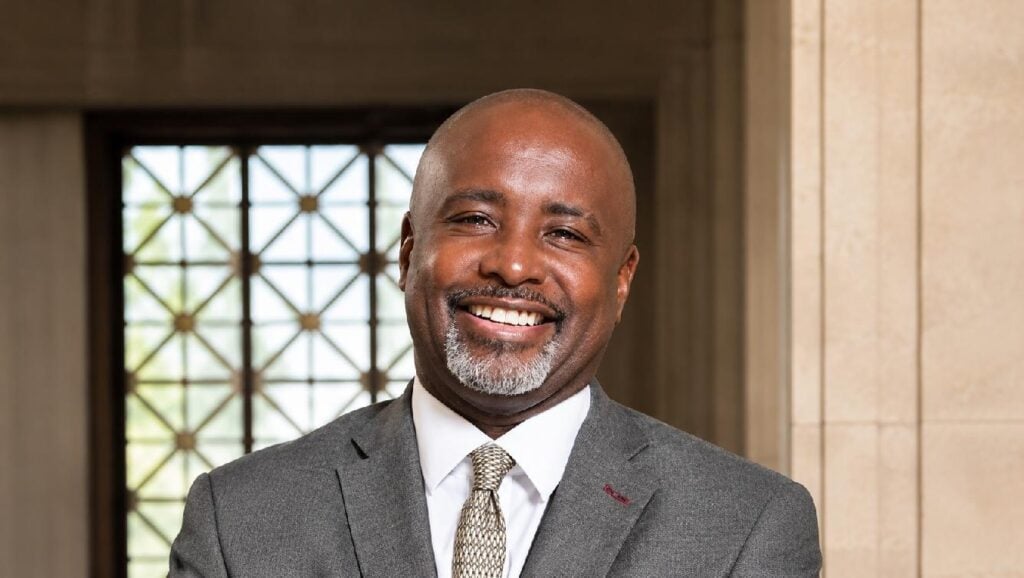
The Political Battle Beyond the Signatures
Gathering signatures is only the beginning. Recall proponents must raise money, organize volunteers and persuade voters that Harris-Dawson’s alleged shortcomings justify removing him before his term ends.
They must also withstand the inevitable counterarguments from the council president and his supporters.
Harris-Dawson can point to his record, defend his priorities and challenge the recall organizers’ interpretation of conditions in the district.
As City Council president, he also holds a prominent leadership position that could help him rally political support.
I would expect him to vigorously defend his record and portray the recall as a distraction from the work he says remains underway.
Still, there are two potential advantages for the recall proponents.
The first is that some residents are sufficiently dissatisfied to organize a formal effort to remove him.
That does not establish how widespread the dissatisfaction is. But it demonstrates that at least one group of constituents believes ordinary complaints and political pressure have not produced the results they want.
The second is the public scrutiny that accompanies a recall.
No elected official welcomes a campaign questioning whether voters should allow that person to finish a term.
For Harris-Dawson, now serving his third term, the effort raises questions about how constituents evaluate his years representing South Los Angeles.
What the Recall Says About Accountability
The central question is not simply whether organizers can collect enough signatures.
It is how widespread and deeply felt the dissatisfaction with Harris-Dawson actually is.
Are the complaints limited to a relatively small group of residents, or do they reflect broader frustration over neighborhood conditions, economic opportunity and city services?
And can Harris-Dawson persuade constituents that his administration has made meaningful progress on those issues?
These are questions that deserve examination regardless of whether the recall qualifies for the ballot.
Recall campaigns are difficult to mount and even harder to carry through to a successful election. Los Angeles has seen previous efforts against council members fail before voters ever cast ballots.
But the process remains an important mechanism through which constituents can challenge elected officials between regularly scheduled elections.
The Harris-Dawson campaign demonstrates that residents who believe their concerns have gone unanswered have another avenue for demanding accountability.
It also presents an opportunity for the council president to respond directly to the issues his critics have raised.
A recall petition is not proof that an elected official has failed. Nor does the filing itself establish that a majority of constituents wants that official removed.
What it does establish is that some residents are prepared to take their dissatisfaction beyond complaints and into the political process.
Harris-Dawson may ultimately defeat the recall effort, or organizers may never gather enough signatures to put the question before voters. Either way, the concerns being raised about conditions in District 8 will remain.
And if nothing else, the recall should serve as a wake-up call that elected officials must continually listen to their constituents, answer their questions and demonstrate what they are doing on their behalf.
Harris-Dawson has received that wake-up call.

Earl Ofari Hutchinson is an author and political analyst. His forthcoming book is “Undoing the Trump Legacy” (Amazon ebook and Middle Passage Press).
(If You Like/Appreciate This EURweb Story, Please SHARE it!)
RELATED NEWS ON EURWEB.COM: Black LA Leaders Put Bass and Raman on Notice Ahead of Election
We Publish Breaking News 24/7. Don’t Miss Out! Sign up for our Free daily newsletter HERE.