*After nearly 25 years as a college educator, there are classroom moments you remember long after grades have been submitted and semesters have ended.
Tuesday, September 15, 2026 — two days before U.S. Constitution Day — was one of mine.
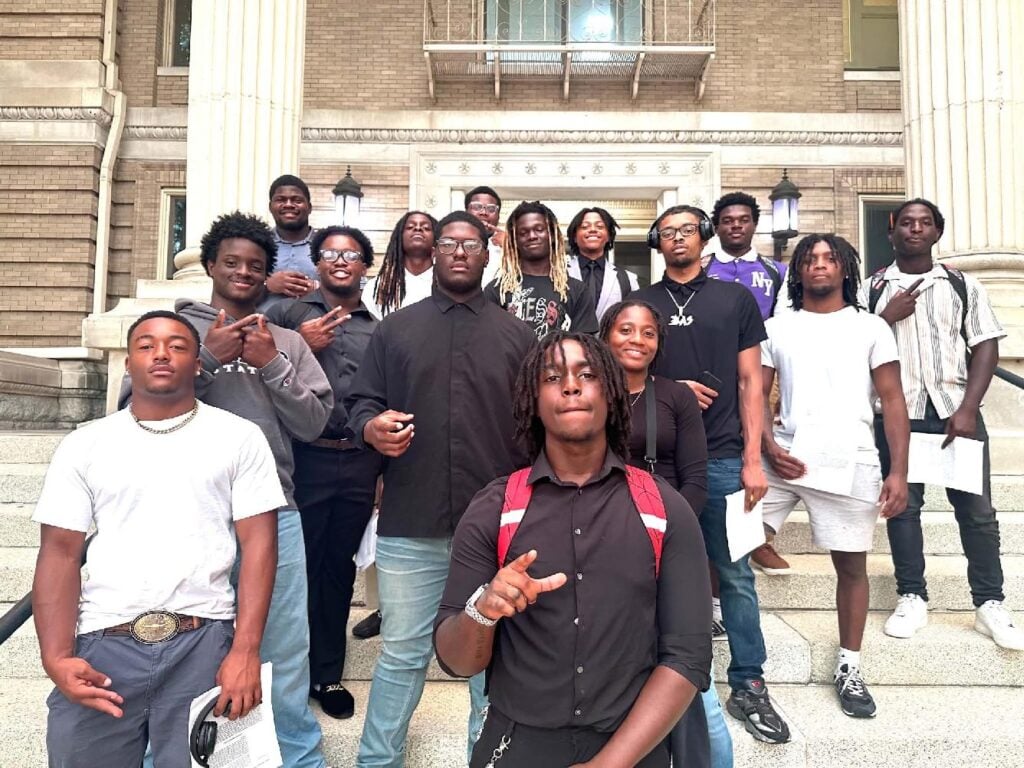
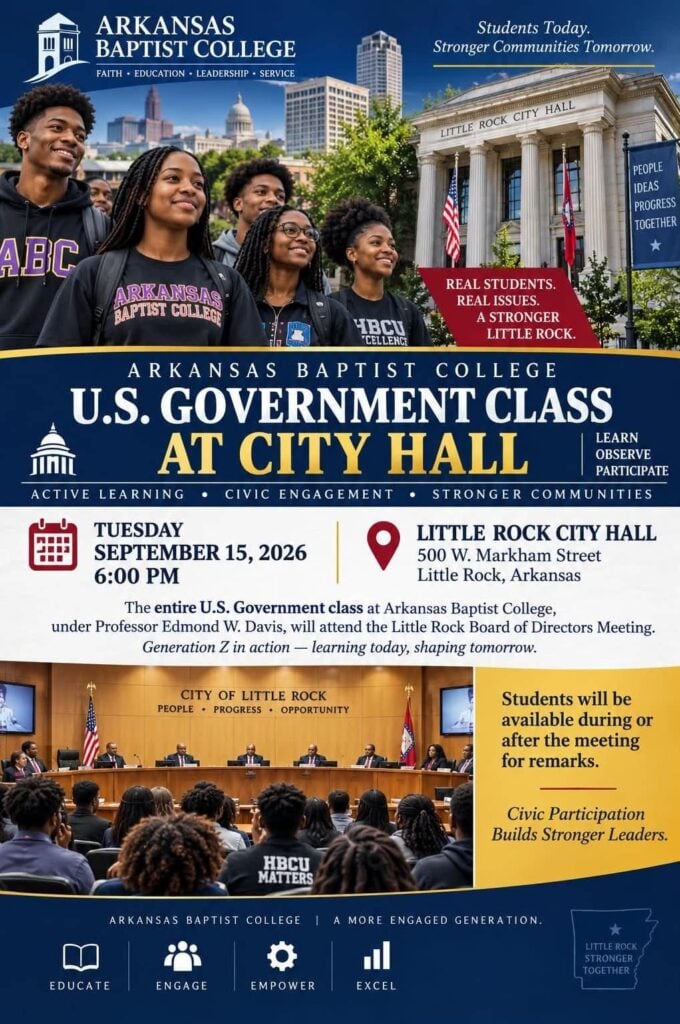
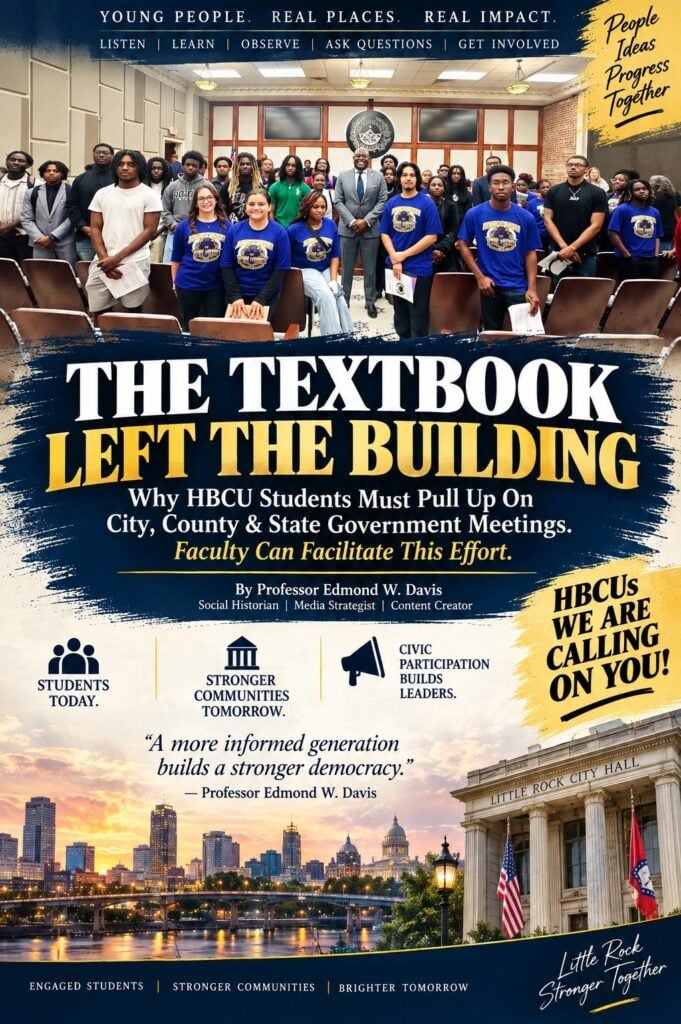
More than 50 students connected to our U.S. History and U.S. Government courses at Arkansas Baptist College pulled up on Little Rock City Hall for the Board of Directors meeting.
Not for a protest. Not for a photo opportunity.
We came to listen, learn, observe and understand.
Scroll to continue reading





My students saw municipal government outside Chapter 6. They watched resolutions, ordinances, zoning, contracts, public expenditures and citizen participation become real. The agenda included housing and neighborhood development, homelessness services, infrastructure, municipal contracts and an industrial-development proposal involving up to $120 million.
That is government.
And I believe higher education — particularly HBCUs — should put more students in rooms where government happens.
HBCUs Were Never Just Classrooms
There is historical precedent for this responsibility. HBCUs expanded during Reconstruction because Black Americans were routinely excluded from existing institutions.
More than 90 institutions of higher learning for African Americans were established between 1861 and 1900, according to the Smithsonian National Museum of African American History and Culture.
Education became a means of exercising citizenship and protecting newly acquired freedom.
That history matters in 2026.
I am calling on faculty, department chairs and faculty-senate leaders at HBCUs — especially across the South — to consider making structured civic observation part of U.S. government, political science, history, sociology and related courses.
Take students to City Hall. Take them to county government. Take them to the State Capitol. Let online students watch public proceedings remotely.
Then assign the work.
What was on the agenda? Who introduced it? Who has authority? Who pays for it? Who benefits? Who objected? How can a citizen respond?
That is active learning with consequences beyond an exam.
Teach Them How Government Works
Civic education should also prepare students to examine uncomfortable questions involving public safety, policing, redistricting, housing, racial disparities and government accountability.
That requires more than reacting to what appears on social media.
Students should know where complaints go, who investigates them, what civilian oversight exists and how citizens can determine whether those systems actually work.
Little Rock, for example, has a Citizens Review Board that can review certain completed police investigations involving use of force, deadly force, corruption and bias-based policing.
Government literacy gives students the tools to investigate those questions for themselves.
For those of us who approach education through a Christian worldview, civic involvement can also be part of our responsibility to the communities in which we live. The principles I want students to carry into public life are simple: listen carefully, seek truth, pursue justice, show mercy and care about your neighbor.
That does not mean telling students which political party, politician or public policy they must support. We can teach students to enter City Hall not already knowing what to think, but prepared to listen, investigate, ask informed questions and think for themselves.
They Will Be Back
The Student Nonviolent Coordinating Committee and Congress of Racial Equality belonged to a different historical moment. Today’s students should not be expected to reproduce them.
But their history reminds us that young adults have long participated seriously in American civic life.
Our students can become the next generation of informed civic observers, researchers, organizers, public servants and community advocates — whatever their political viewpoints.
That begins with knowing where decisions are made.
My POL257 students now have work due. Their assignment is worth 20 points. They must connect what they witnessed to our course objectives, analyze the agenda and explain municipal government in their own words.
That matters more to me than memorizing terminology for an exam and forgetting it Friday.
I’m grateful to Little Rock’s elected leadership for welcoming our students into the public forum. Mayor Frank Scott Jr. personally welcomed them. For young adults — some entering City Hall for the first time — that matters.
But here’s the warning, Little Rock:
They will be back.
And next time, they may arrive with better questions.
That is precisely what education should produce.
For HBCU professors across America, my invitation is simple: amend a lesson. Add a civic-learning objective. Build a municipal-government assignment. Put students in the room.
Don’t tell them what political conclusions to reach.
Teach them how to find the agenda, examine the evidence, understand the process, question authority respectfully and reach informed conclusions for themselves.
HBCUs were built, in part, because access to knowledge had been denied.
In 2026, we should make sure access to government itself is part of that education.
The textbook has officially left the building.
And class is now in session at City Hall.
ABOUT THE AUTHOR
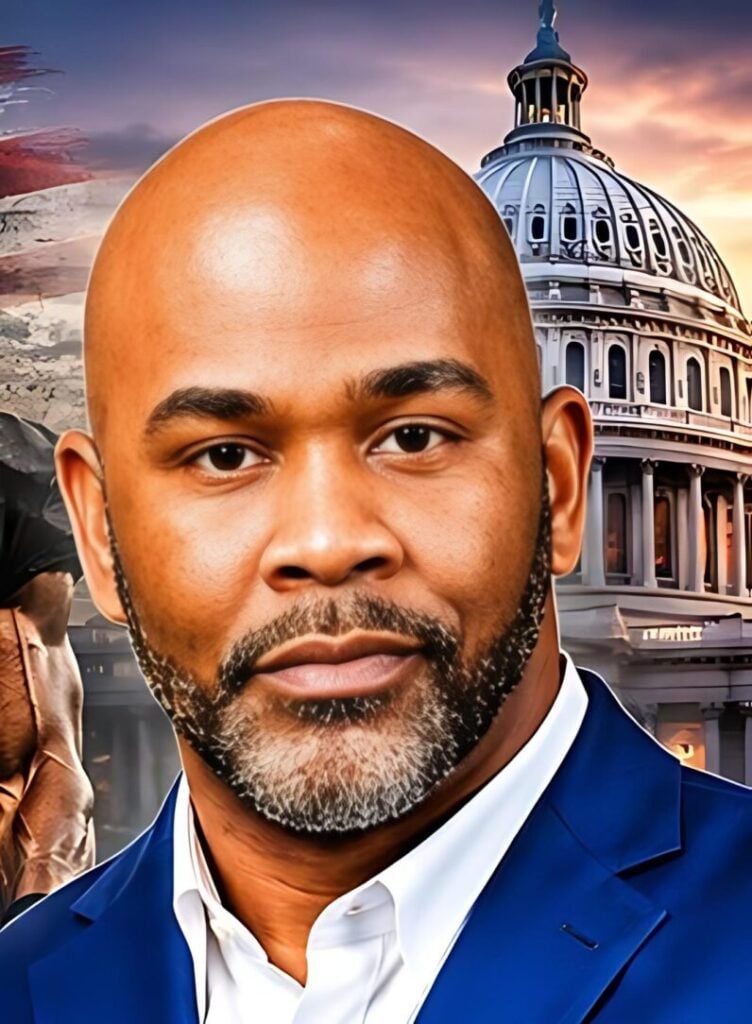
Edmond W. Davis is an award-winning university/college professor, international journalist, social historian, a globally recognized Tuskegee Airmen scholar, and the executive director of the National HBCU Black Wall Street Career Fest. He is the author of several books and a lifelong advocate for student achievement, educational equity, and emotional wellness.
(If You Like/Appreciate This EURweb Story, Please SHARE it!)
RELATED NEWS ON EURWEB.COM: Shawn Carter Foundation Launches Financial Education Program for HBCUs
We Publish Breaking News 24/7. Don’t Miss Out! Sign up for our Free daily newsletter HERE.