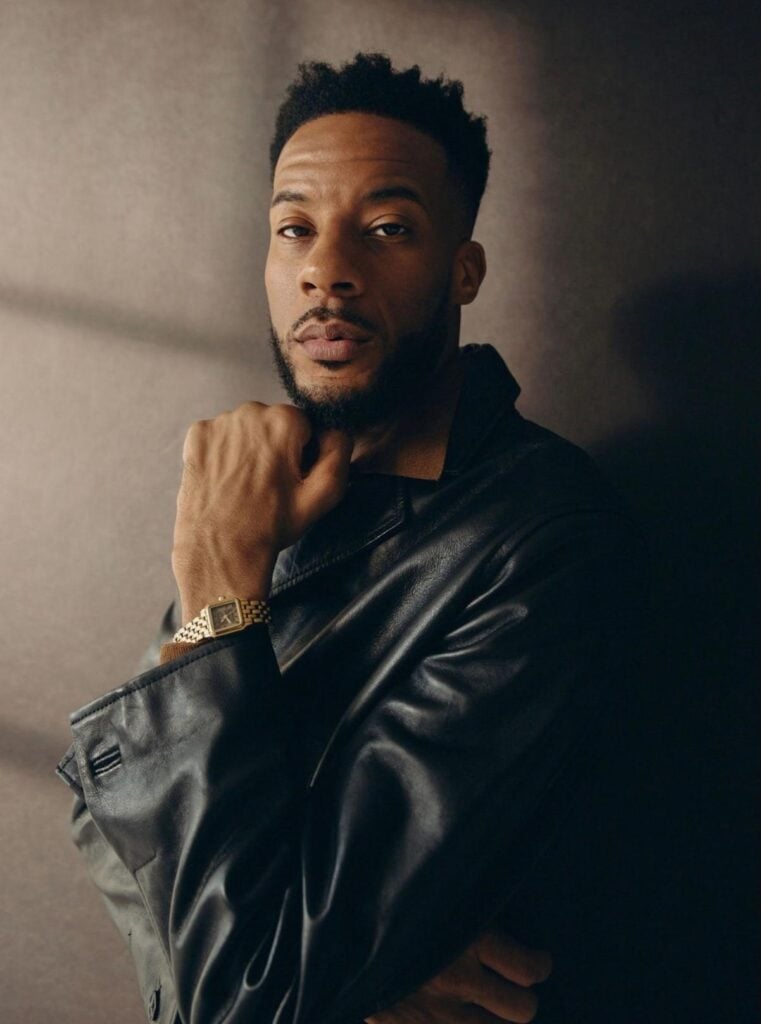
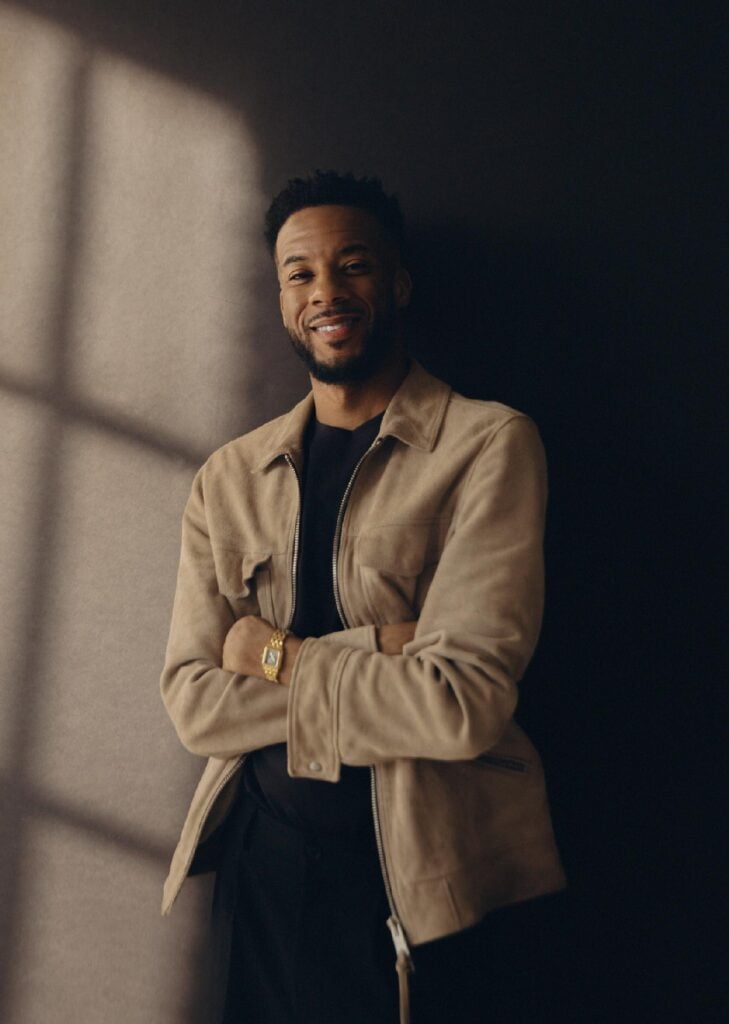
*Growing up as a Black boy in a white adoptive family, Erik Mohn knew he was loved. What he didn’t always know was where he belonged.
One of his earliest memories captures the disconnect. Mohn recalled seeing another Black child on a playground when he was four years old and asking his mother whether the boy was his brother.
“My four-year-old brain said he must be my family,” Mohn told EURweb. “My mother had to explain, he is not your brother. That’s when I realized I don’t look like my family or the people around me.”
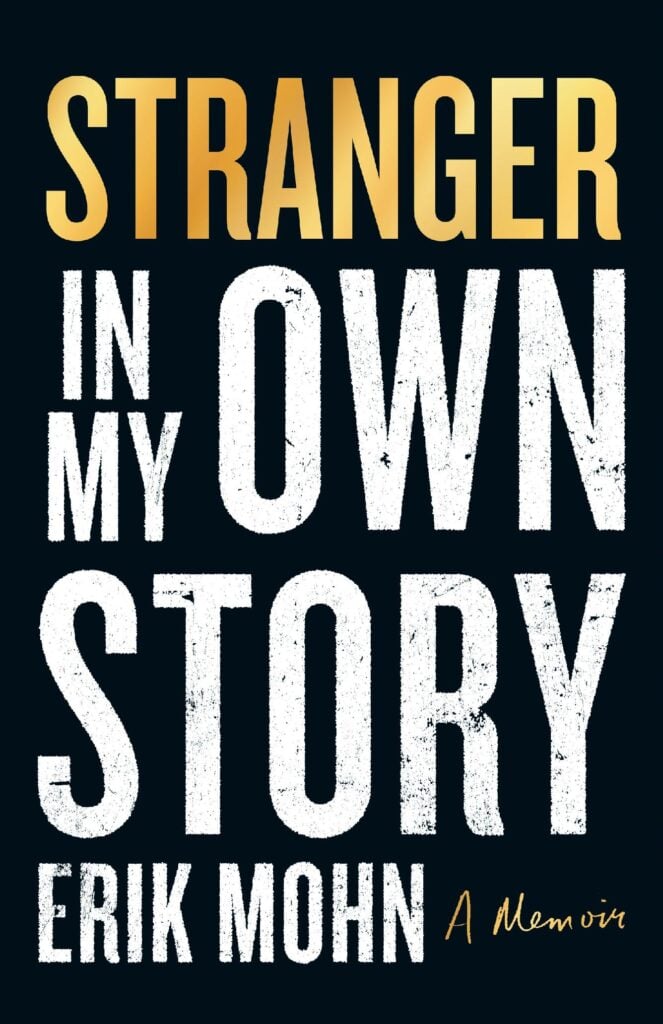
That realization became the beginning of a much longer search for racial and cultural identity — a journey Mohn explores in his debut memoir, Stranger in My Own Story, scheduled for publication Oct. 6 by Skinner House Books.
The book turns that deeply personal search into a broader examination of transracial adoption, belonging and what it means to build a Black identity when the people raising you cannot fully share that experience.
Scroll to continue reading



When Hip-Hop Became the Mirror
Born to a Black mother he did not initially know and adopted by a white family in small-town Massachusetts, Mohn grew up without many Black people around him. He found an early connection to Black culture through hip-hop.
“Listening to Jay-Z, Busta Rhymes, allowed me to access Black voices anytime,” Mohn said. “I could listen to these stories from these poets, businessmen.”
Music gave him access to voices he wasn’t encountering in his immediate surroundings, but it could only take him so far.
Howard University changed the equation.
Mohn arrived at Howard in 2005, entering an environment where Black identity wasn’t something he had to seek through headphones. He was surrounded by Black students, professors and different expressions of Black life.
“Howard was where I had friends I really could be honest with,” Mohn said.
Seeing older Black male professors was especially significant. Until then, he said, much of his understanding of Black manhood had been shaped by rap music — including its creativity and entrepreneurialism, but also its bravado and sometimes troubling portrayals of drugs and women.
At Howard, Black men were suddenly professors, mentors, peers and friends.
That expanded what Mohn could imagine for himself.
Finding Family Without Losing Family
His adoptive parents supported the journey, even when Mohn considered skipping college altogether to search for his birth mother.
“At first I told them I wasn’t going to college,” he recalled. “I wanted to drive around the country to look for my birth mother.”
His adoptive mother had another idea.
“My mother, my white mother, said, ‘No, you are going to spend at least one year at Howard.’”
Mohn ultimately reunited with his birth mother in 2014, he said. The experience helped him begin reconciling parts of his identity that once seemed disconnected.
Finding his biological family didn’t require rejecting the family that raised him. Instead, he came to understand that both could occupy his story.
Writing Stranger in My Own Story became another step in putting those pieces together.
“The book was the last piece of the journey to me,” Mohn said. “To put it all in perspective, my family can read the story and share with people what it’s like to grow up without roots.”
For a child who once saw another Black boy on a playground and wondered whether they must be brothers, belonging no longer depends on finding someone who looks like him.
At 39, Mohn says he finally knows where he stands.
“Now I have a foundation,” he said. “No longer a stranger in my story.”
(If You Like/Appreciate This EURweb Story, Please SHARE it!)
RELATED NEWS ON EURWEB.COM: Simone Biles’s Biological Mother Opens Up About Olympian’s Adoption, Seeks Forgiveness
We Publish Breaking News 24/7. Don’t Miss Out! Sign up for our Free daily newsletter HERE.