*This interview has been edited for length and clarity.
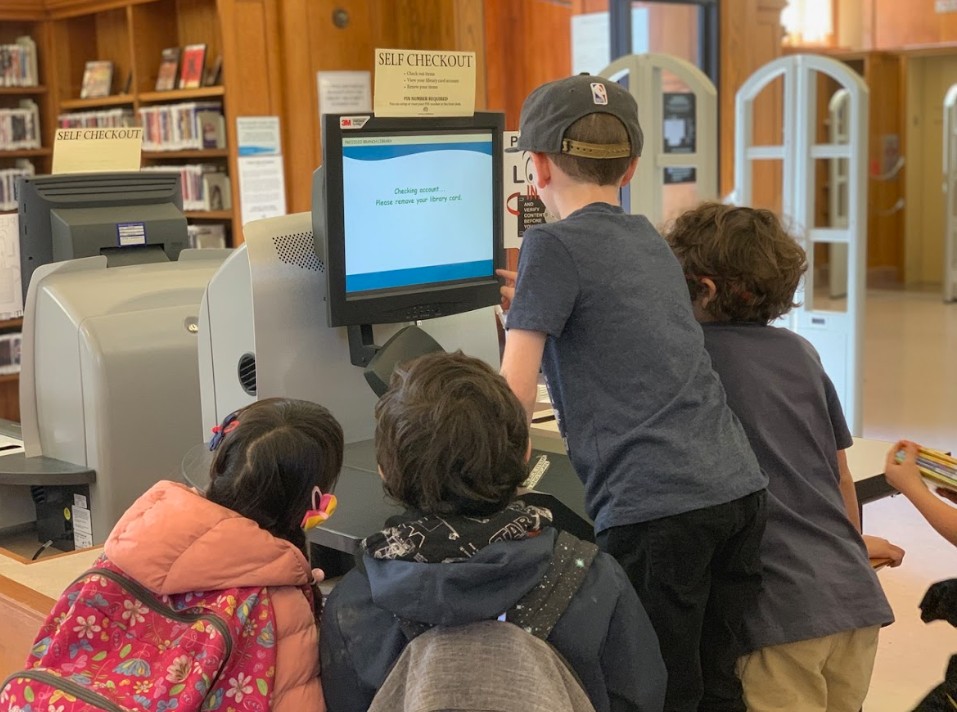
*Dawn Logsdon, director, producer, and editor of “Free for All: Inside the Public Library,” brings a deeply personal lens to a deeply public institution. The doc debuted on PBS’s Independent Lens on April 29 and is now available to stream on the PBS app. It tells the sweeping story of how libraries in America became more than just places to borrow books; they became places of resistance, refuge, and radical inclusivity.
“I think my childhood experiences especially instilled in me… a love of libraries and a love of reading,” Logsdon explains. But beyond that, she discovered how “each one is so different, and they just really reflect their own communities.” As a child, Logsdon traveled across the U.S. with her family, visiting more than 100 libraries, a foundational experience that planted the seeds for this ten-years-in-the-making documentary.
“Free for All” confronts the triumphs and troubling omissions of library history. “That’s what history’s about, isn’t it?” she asks. “It’s about telling the whole story, not just the tiny positive part of the story.” From segregated reading rooms to the delayed arrival of library access on tribal lands, the film confronts the painful exclusion of marginalized communities.
“The very first people to inhabit this land were the very last to get library access,” Logsdon reveals. “Libraries didn’t arrive on tribal reservations until the 70s, mid-70s.”
Scroll to continue reading

The film uncovers moving, lesser-known stories—like that of Annie Lou McPheeters, a pioneering Black librarian in Atlanta whose personal library helped shape a young Martin Luther King Jr.
“When I heard her voice coming across on this old tape, I almost fell out of my chair,” Logsdon recalls. McPheeters kept a small collection of books on nonviolence and Gandhi, and when King couldn’t access them because they were in the adults-only section, she helped him get them through his father.
Today, libraries continue to serve as battlegrounds of access and freedom, facing new threats in the form of book bans and political attacks.
“Librarians have traditionally been seen as… nonpartisan and noncontroversial,” Logsdon says. But now, “upholding [free access to information] when you’ve got people opposing that takes a lot of courage.” She adds, “They’re taking a lot of flack right now… being accused of being groomers and pedophiles and all kinds of crazy things.”
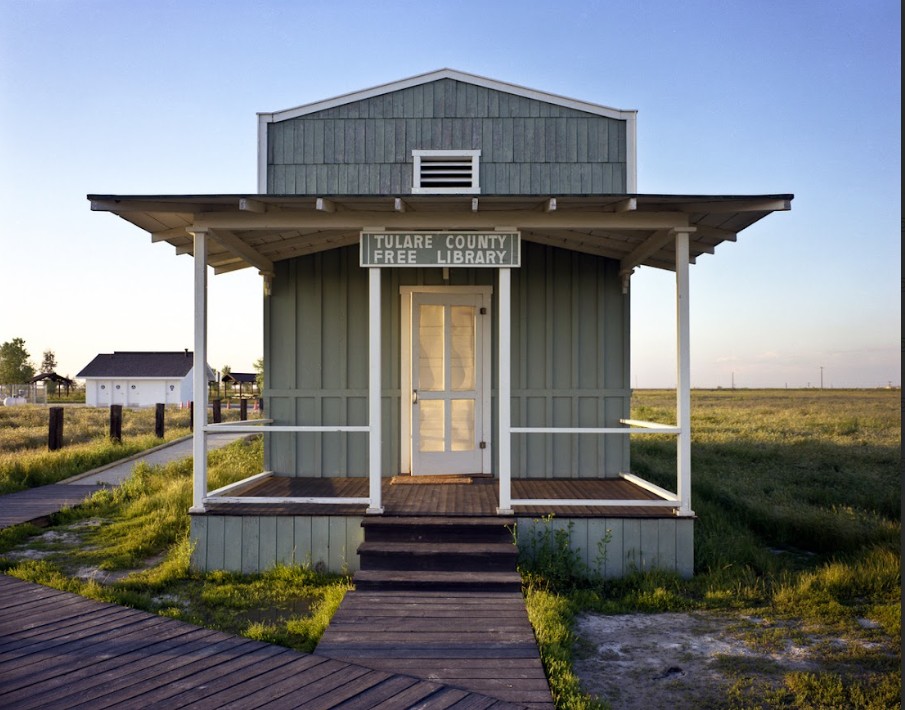
At the heart of the film is a call to recognize that public libraries are not guaranteed, they’re sustained by community will and public funding. “Libraries are public places, which means they belong to us,” she states. “We decide if we want to pass this remarkable American institution on to future generations or not.”
Logsdon, the daughter of a historian, grew up with a strong awareness of how history is told—and how easily it can be distorted.
“We’re at another moment in history where there are forces that want to rewrite our history and leave out an awful lot,” she warns. For her, it was crucial to highlight how marginalized communities have not only fought for access but “pushed forward and shaped the public library as an institution… to the benefit of all of us.”
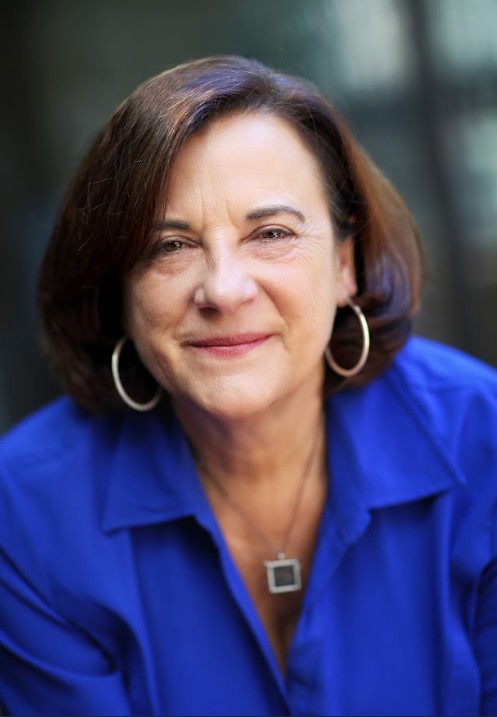
What surprised her most during research for this project? The personal impact of libraries on her lineage.
“Starting with my great-grandmother who was an immigrant from Norway… to my aunts and my uncles and my parents themselves,” she reflects, libraries played a central role in their journeys toward education and the American dream.
As viewers watch “Free for All,” Logsdon hopes they come away with one message: “These places… are very, very fragile, and it’s up to us to make sure they stay.”
Watch our full conversation with Dawn Logsdon via the clip below.
MORE FROM EURWEB.COM: Danielle Deadwyler Leads Post-Apocalyptic Thriller ’40 Acres’ | Watch Trailer
Sign up for our Free daily newsletter HERE.