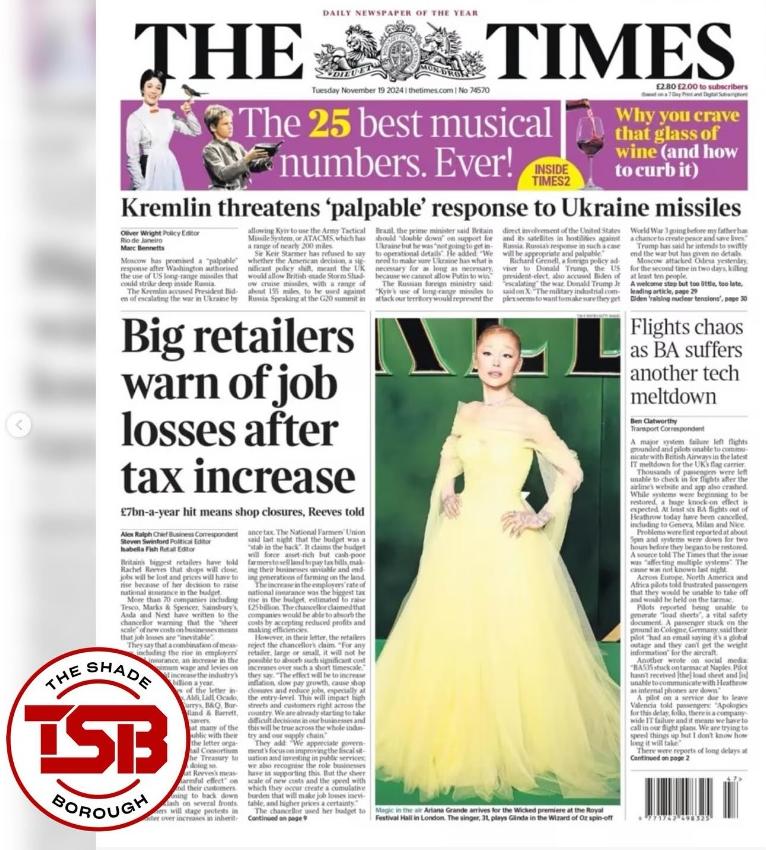
*The conversation around representation continues to evolve, yet the British media faces significant challenges regarding the visibility of Black artists and actors. While the United States is often spotlighted for its own issues with racism and representation, similar concerns resonate across the pond, where the lack of equitable representation remains a pervasive issue.
One of the most prominent recent instances highlighting this disparity is the media coverage surrounding the musical “Wicked.” Despite Cynthia Erivo‘s leading role as Elphaba, the media’s focus was Ariana Grande and largely ignored Erivo’s contributions, igniting backlash and prompting discussions about persistent bias within the industry. Critics have underscored that such oversights are sadly not isolated incidents; rather, they reflect a consistent trend where Black talent is marginalized, even in prominent roles.
A Pattern of Neglect
The stark reality remains that Black artists frequently receive less media coverage compared to their white counterparts. Numerous instances throughout award nominations and reviews illustrate how their achievements often go unrecognized. Even when Black performers reach significant milestones, the enthusiasm with which the media showcases their accomplishments is markedly less vibrant than the coverage afforded to white artists. This systemic issue raises critical questions about bias and prioritization within media narratives.
The Amplification of Voices Through Social Media
In the age of social media, platforms like Twitter and Instagram have become powerful tools for advocacy, allowing Black British artists to share their experiences and challenge prevailing narratives. Movements such as #BlackLivesMatter have not only highlighted racial injustices but have also catalyzed conversations about inequality in the arts. The advocacy of individuals and collectives has forced the media to confront its shortcomings in representation.
Social media users have taken to these platforms to express their outrage and frustration. One user, Iamtrevorfrancis, captured the collective sentiment: “ABSOLUTE MADNESS! Even if you’re BLACK and BRITISH and representing us all in such high standard… they STILL refuse to praise or congratulate us.” This reflects a broader consensus that the media’s bias not only diminishes individual accomplishments but also perpetuates systemic inequalities.
Scroll to continue reading

View this post on Instagram
Community Response and a Call to Action
There is a palpable sense of urgency within the community for change. Comments like “I_dn” lament the media’s failure to prioritize local talent: “And Cynthia is from the UK no?! She should’ve had the main page!” Such sentiments echo a communal longing for equitable treatment in media representation.
Meanwhile, others have humorously pointed out the irony of how blame might be directed at Black artists if their work does not resonate as expected: “Now if the movie does bad we know who’s face gonna be on front page,” remarked user Sassalinaa.
Despite the progress made toward inclusivity within the British media landscape, the journey is far from complete. The fight for equitable representation remains a priority for the industry and society at large.
It is crucial for media outlets to critically examine their biases and actively strive for a more inclusive representation that accurately reflects the diverse talents within the community. Until true equity is achieved, the conversations surrounding the representation of Black artists in British media will undoubtedly continue to echo throughout society.
MORE NEWS ON EURWEB.COM: Al B. Sure Responds to Son Quincy Brown’s Controversial Post and Kimora Lee Simmons’ Shady Accusations