Bold Claim About Black Identity Goes Viral on X
*Here’s something that’ll get your blood boiling. A recent viral post by @Joe__Bassey, also known as “Typical African,” has taken X by storm.
The post boldly states, “It only takes 3 generations to wipe out a Black person.” With over 1 million views and thousands of shares, the conversation is heating up online.
The post includes a 90-second video with a white woman speaking on and seemingly relishing the idea that cultural and physical traits associated with Blackness can fade over time through intermarriage or assimilation.
What Does “3 Generations to Wipe Out” Really Mean?
This statement isn’t about physical harm but cultural loss. It suggests that in just three generations, a family’s connection to Black identity—visually, culturally, or personally—can disappear.
Scroll to continue reading








Many commenters interpreted it as a warning about the impact of interracial relationships or systemic assimilation. The fear: that children, grandchildren, and great-grandchildren may no longer identify as Black.
Historical Roots: Black Identity and Generational Erasure
The idea echoes historic U.S. policies aimed at erasing Indigenous identity. For example, the Dawes Act tried to assimilate Native Americans within three generations through intermarriage and blood quantum rules.

Similarly, in the African American context, post-slavery generations have faced cultural disconnection. Some users pointed to this post-slavery trauma, which many say still affects Black families today.
Supporters Say It’s a Warning About Assimilation
Many replies agreed with the post, calling it an important reminder to preserve Black culture and legacy. Some users described assimilation as a “virus” affecting Black communities.
Others cited real-world examples of celebrities with mixed heritage—like Klay Thompson or Tiger Woods—as proof of identity dilution over generations.
Critics Push Back, Calling It Oversimplified
Not everyone agreed. Some users felt the post promoted fear or discouraged love across racial lines. Critics said identity isn’t so easily erased—Black traits can persist well beyond three generations.
One reply read, “Culture is learned, not just inherited. You can’t erase pride in your roots that easily.”
What Makes This Topic So Controversial?
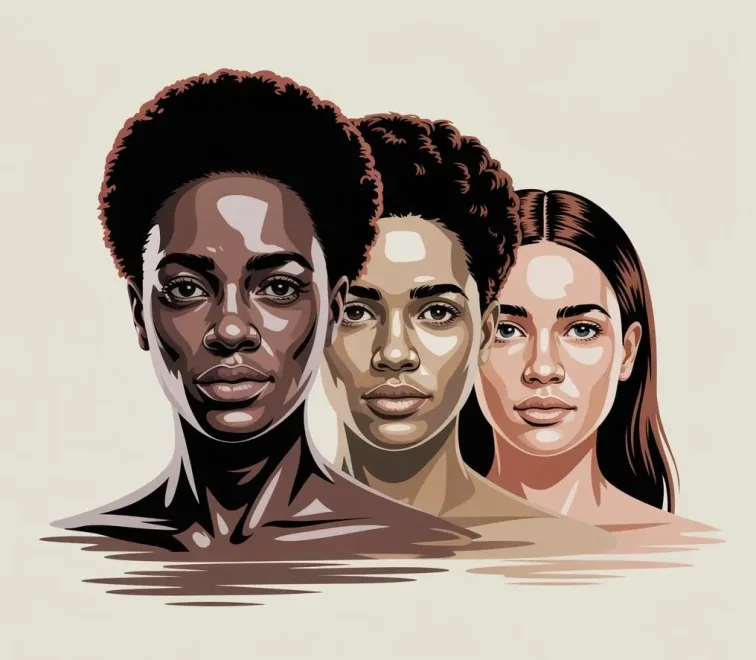
This post touches on deep concerns about how Black culture and community are preserved over time. It also stirs emotions about systemic racism, family, and belonging.
Some saw it as empowering—a call to protect history and heritage. Others viewed it as divisive or harmful to multiracial families.
Similar Posts Show This Isn’t a New Concern
In 2023, a post by @edenofnubian reminded followers that slavery was only five generations ago. In 2019, @rebeccanagle highlighted similar U.S. efforts to erase Indigenous cultures in just three generations.
Online, these posts serve as emotional time capsules, showing that this discussion is part of a bigger, ongoing narrative about identity and cultural survival.
Why This Story Matters Right Now
This viral moment reminds us how fragile cultural identity can be, especially when history, racism, and social pressure collide. It also shows how social media can bring complex, emotional debates into the spotlight instantly.
As many celebrate heritage and demand recognition, the post fuels urgent conversations about how Black identity survives—and evolves—in the modern world.
@Joe__Bassey and the Power of African Digital Storytelling
The poster, @Joe__Bassey, runs a platform focused on African history and cultural education. With around 5,000 followers, his posts regularly spark thoughtful debate on Black heritage, colonialism, and identity.
This video post may be his biggest yet, drawing eyes worldwide. It proves that even a single sentence—when rooted in history and truth—can spark global conversation.
MORE NEWS ON EURWEB.COM: Carmelo Anthony’s Hall of Fame Speech Ignites Debate Over Black and Puerto Rican Identity | VIDEO
We Publish Breaking News 24/7. Don’t Miss Out! Sign up for our Free daily newsletter HERE.