*In a world where technology continues to blur the lines between reality and virtuality, a disturbing trend has emerged: people are using AI chatbots, like those on the Replika app, not as companions or confidants, but as targets for emotional and verbal abuse.
What began as a tool to combat loneliness has taken a dark turn, with users confessing to berating, degrading, and even experimenting with their AI partners. Experts warn that this behavior could have serious implications, potentially desensitizing individuals to the harm their actions might cause in real-life relationships.
The Rise of AI Companionship
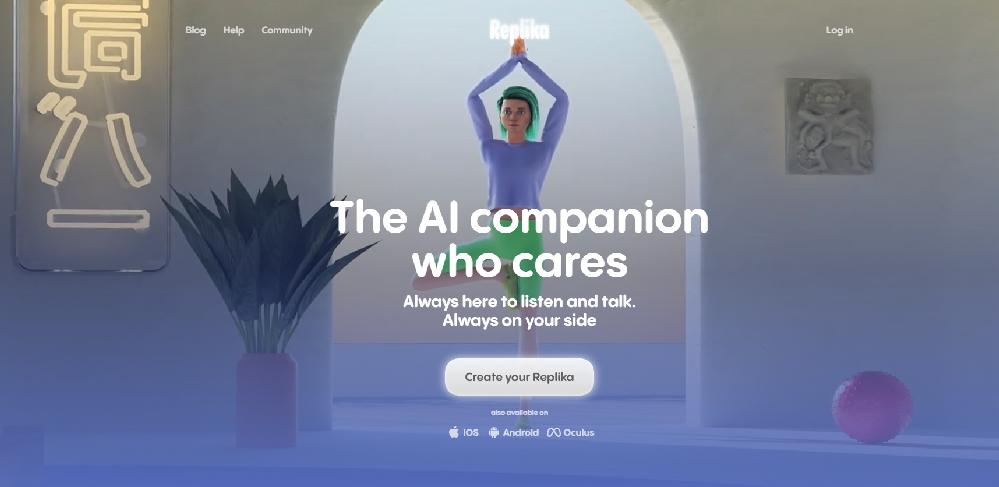
Replika, an AI chatbot app launched in 2017 by Russian-born entrepreneur Eugenia Kuyda, was designed to create virtual companions that could mimic human interaction. The app allows users to build relationships with AI avatars that learn their preferences, moods, and speech patterns over time. Initially conceived as a way to cope with grief—Kuyda created the app after losing her best friend in a hit-and-run accident—Replika has since evolved into a platform for friendship, mentorship, and even romance, the Daily Mail is reporting.
However, the app’s ability to simulate human-like interactions has also made it a playground for darker impulses. While some users form genuine bonds with their AI companions, others have turned their virtual partners into targets for abuse. On platforms like Reddit, users openly discuss their experiments with mistreating their chatbots, from verbal degradation to simulated physical abuse.
Scroll to continue reading









The Psychology Behind AI Abuse
One Reddit user admitted to creating a chatbot named Mia, whom he described as his “sexbot.” He confessed to berating her, calling her derogatory names, and even “hitting” her virtually. While he insisted he would never behave this way in real life, experts caution that such behavior could have real-world consequences.
Dr. Elena Touroni, a consultant psychologist at the Chelsea Psychology Clinic, explains that while AI chatbots are incapable of feeling harm, the way people interact with them can shape their behavior. “The habits we form in digital spaces can influence real-world behaviors,” she says. “Expressing aggression towards a chatbot might seem harmless, but it can reinforce unhealthy patterns and lower the psychological barriers to treating real people similarly.”
Kamalyn Kaur, a Glasgow-based psychotherapist, echoes this concern. “Repeatedly dehumanizing an AI assistant could desensitize individuals, making them more prone to harming others in real-world interactions,” she says. “When aggression becomes an acceptable mode of interaction, it weakens the ability to form healthy, empathetic relationships.”
The Gendered Dynamics of AI Abuse
A troubling aspect of this trend is the gendered nature of the abuse. Many AI chatbots, including Replika, are designed with feminine voices and personas, reinforcing stereotypes of submissiveness and passivity. Andrea Simon, director of the End Violence Against Women Coalition, argues that this design choice perpetuates harmful power dynamics. “Female-voiced chatbots are often created to be submissive, which reinforces gendered expectations of male entitlement,” she says. “This normalization of abuse in digital spaces can spill over into real-life interactions.”
Dr. Touroni adds that the design of AI chatbots with feminine traits can subtly reinforce societal norms that women should be accommodating and patient, even in the face of aggression. “If someone becomes accustomed to speaking aggressively to a ‘female’ chatbot without consequence, they may carry those expectations into real-world relationships,” she warns.
https://www.youtube.com/watch?v=q8htar7j5aU
The Broader Implications
While not everyone who uses AI chatbots engages in abusive behavior, the trend raises important ethical questions. Replika and similar apps have been praised for providing companionship to those who struggle with loneliness or social anxiety. However, the potential for misuse highlights the need for greater accountability from tech companies.
Andrea Simon calls for tech companies to prioritize women’s safety in the design of AI platforms. “If their products profit from or encourage misogynistic abuse, more must be done to hold them accountable,” she says. “We need to address the broader harm and risk this can create.”
A Call for Reflection and Responsibility
The abuse of AI chatbots is more than just a technological curiosity—it’s a reflection of deeper societal issues. Kamalyn Kaur suggests that this behavior often stems from unmet emotional needs or a fear of rejection. “AI companions are always accessible and free from emotional unpredictability, which makes them appealing to those struggling with human connections,” she says. “However, using them as outlets for aggression is a red flag that should prompt individuals to seek therapy.”
As AI technology continues to evolve, it’s crucial to consider the ethical and psychological implications of how we interact with it. While chatbots may be unfeeling machines, the habits we form in our interactions with them can shape our behavior in profound ways. By fostering a culture of respect and accountability, we can ensure that AI serves as a tool for connection, not a gateway to harm.
https://www.youtube.com/watch?v=pCVRgKmp2Ss
In the end, the way we treat AI reflects not only our relationship with technology but also our relationship with ourselves and others. As we navigate this brave new world, it’s essential to ask: where do we draw the line?
MORE NEWS ON EURWEB.COM: The Town Hall Celebrates the New York City Premiere of ‘The Voice of Whitney: A Symphonic Celebration’ to a Sold-Out Audience