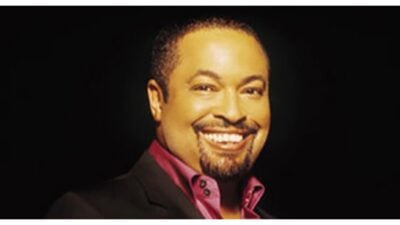
Richard Smallwood’s death leaves gospel world in mourning
*Renowned gospel music icon Richard Smallwood died today (12-30-25), at age 77. He passed away at Brooke Grove Rehabilitation and Nursing Center in Sandy Spring, Maryland. His death was caused by complications related to kidney failure, according to family and publicist statements.
Smallwood’s passing was confirmed by major news outlets, including USA Today, Variety, and The Washington Post. The gospel community and fans around the globe are now celebrating his lasting influence on contemporary worship music. Social media tributes are pouring in, praising his musical genius and spiritual depth.
Richard Smallwood’s legacy: ‘Total Praise’ and gospel classics
Smallwood’s catalog of gospel songs is both timeless and influential. His hit “Total Praise” remains a cornerstone in church worship services worldwide. He also composed “I Love the Lord,” which was famously performed by Whitney Houston for “The Preacher’s Wife” soundtrack.
Other classics like “Center of My Joy” and “Psalm 8” have become staples in choirs around the world. Over his career, Smallwood earned eight Grammy nominations and won multiple Stellar and Dove Awards. In 2006, he was inducted into the Gospel Music Hall of Fame.
Scroll to continue reading









Early life and the making of a gospel pioneer
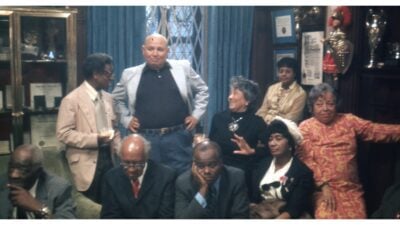
Richard Smallwood was born Nov. 30, 1948, in Atlanta, Georgia, but raised in Washington, D.C. His mother, Mabel, and stepfather, Rev. Chester Lee “CL” Smallwood, helped shape his spiritual roots. By age five, he was playing piano by ear. By eleven, he had formed his first gospel group.
He studied music at Howard University, graduating cum laude. During that time, he built close ties with classmates like Donny Hathaway, Debbie Allen, and Phylicia Rashad. Roberta Flack was even one of his early teachers. Smallwood later helped launch Howard’s first gospel group, the Celestials.
From classroom to choir: Smallwood’s rise to fame
After college, Smallwood briefly taught music at the University of Maryland. But his passion for gospel eventually led him to form The Richard Smallwood Singers in 1977. He was inspired after seeing the Edwin Hawkins Singers perform live. The group helped push gospel music in a fresh, contemporary direction.
The group’s 1982 debut album stayed on Billboard’s Spiritual Albums chart for 87 weeks. Smallwood later founded another ensemble called Vision, which continued his legacy of rich vocal harmonies and classical gospel sound. Both groups became known as his musical “family.”
‘Uncle Rich’: Smallwood’s private life and personal battles
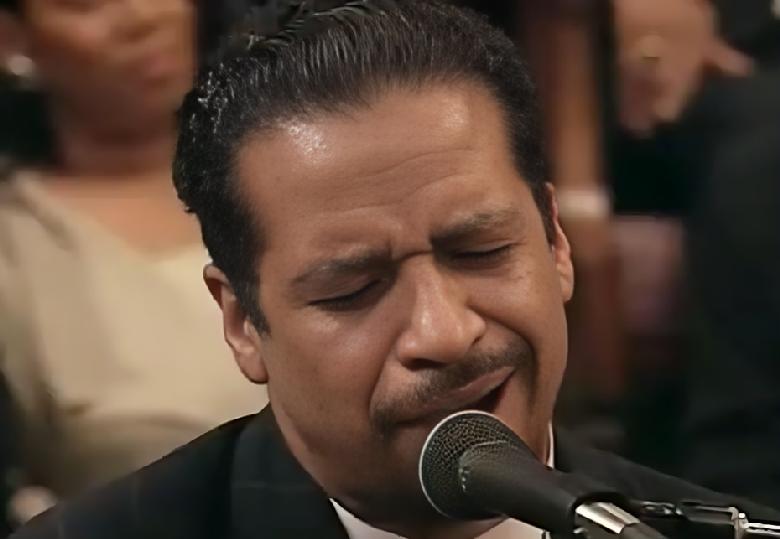
Richard Smallwood never married and had no children. Known for keeping his personal life private, he often referred to members of his musical groups as his family. He was lovingly called “Uncle Rich” or “Papa Rich” by many in the gospel community.
Though he faced long-standing rumors about his sexuality, Smallwood never addressed them publicly. He focused instead on his music, faith, and managing personal struggles like depression, which he spoke about candidly in interviews later in life.
Tributes pour in as fans remember a gospel icon
Following news of Richard Smallwood’s death, fans and celebrities have taken to social media to express their grief. Gospel artists, pastors, and choirs from around the world are sharing stories about how his music shaped their spiritual journeys.
In an official family statement posted online, they wrote: “We are saddened to announce the passing of world-renowned artist, songwriter, and musician, Richard Smallwood.” They asked for privacy while celebrating his legacy.
What made Richard Smallwood’s music stand out
Smallwood combined classical training with deep gospel roots to create music that felt both elegant and powerful. His compositions featured orchestral arrangements and rich harmonies that set him apart from other gospel artists of his time.
His ability to connect scripture, soul, and sound gave worshippers a unique spiritual experience. Songs like “Total Praise” have been performed by choirs of all sizes and denominations across the world, cementing his place as a gospel legend.
Why Richard Smallwood’s death matters to gospel history
Richard Smallwood’s death is more than a personal loss—it marks the end of an era in gospel music. His influence can be heard in the works of today’s top gospel performers and choirs. His songs have crossed generational and denominational lines for decades.
With a legacy built on faith, excellence, and community, Smallwood leaves behind more than just melodies. He leaves a movement. His music continues to uplift, inspire, and call people to worship with reverence and joy.

(If You Like/Appreciate This EURweb Story, Please SHARE it!)
MORE NEWS ON EURWEB.COM: Richard Smallwood’s ‘Total Praise’ Makes Impact at DC Visit with Pope Francis (WATCH)
Sign up for our Free daily newsletter HERE.