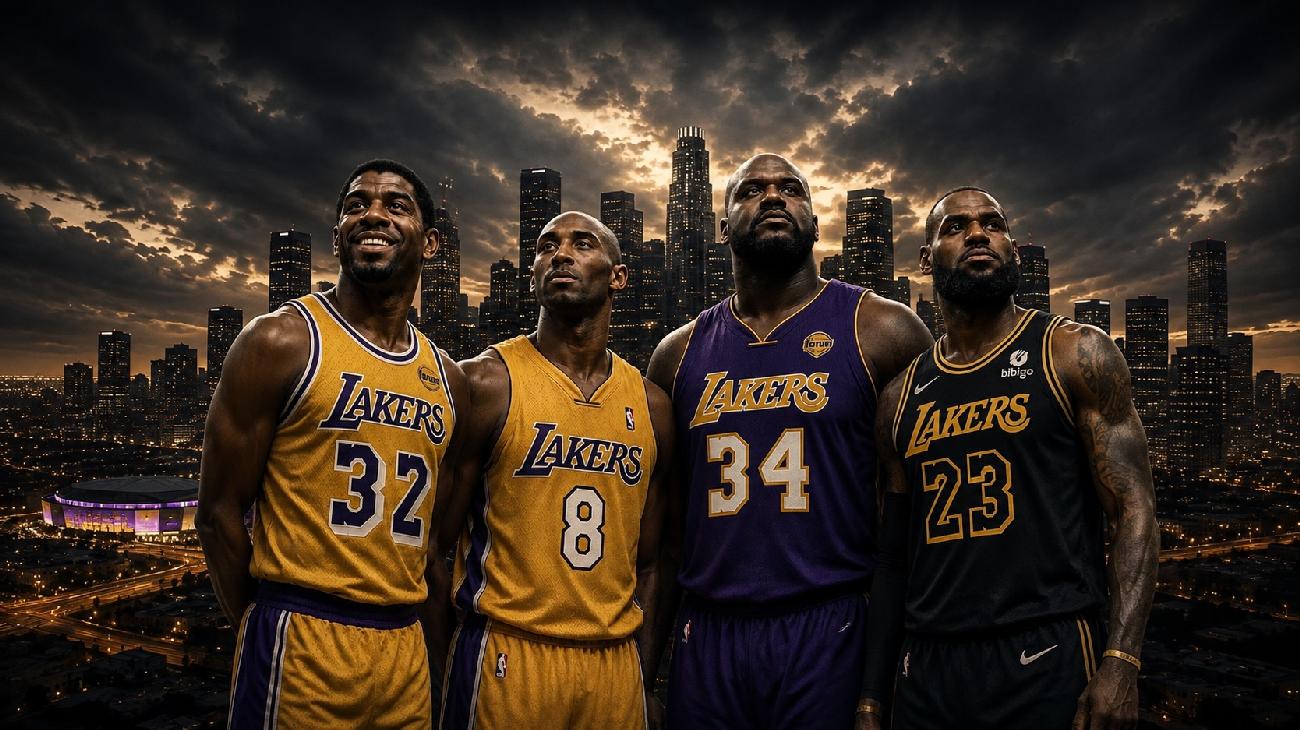
*The Los Angeles Lakers‘ stunning $12.5 billion sale isn’t only a basketball story. It’s also a story about what happens when culture becomes property — and who gets to participate financially when something created generations ago becomes exponentially more valuable.
Josh Kushner and former Disney CEO Bob Iger have agreed to acquire the Lakers from Mark Walter at a $12.5 billion valuation, a record price for an NBA franchise, ESPN reports. The transaction still requires approval from the league and its owners. Walter acquired controlling ownership only last year at a $10 billion valuation.
Those numbers are staggering. But they’re also useful for thinking about something much bigger than basketball. The Lakers illustrate what can happen when an asset accumulates not merely revenue, but culture.
The Lakers Didn’t Become Valuable Overnight
Jerry Buss acquired the Lakers in 1979 as part of a $67.5 million transaction involving multiple properties. What followed couldn’t have been purchased in advance.
Magic Johnson and Showtime happened. Then came Shaquille O’Neal and Kobe Bryant. Later came LeBron James. Ten championships arrived during the Buss family’s controlling-ownership era.
Scroll to continue reading





Games became memories. Memories became mythology. Purple and gold became recognizable around the world.
Each generation added another layer to an asset no competitor could simply reproduce.
That’s the part of the Lakers story that should sound familiar to anyone watching investors spend enormous sums acquiring music catalogs and other intellectual property.
Great culture can keep appreciating because time itself adds something to it.
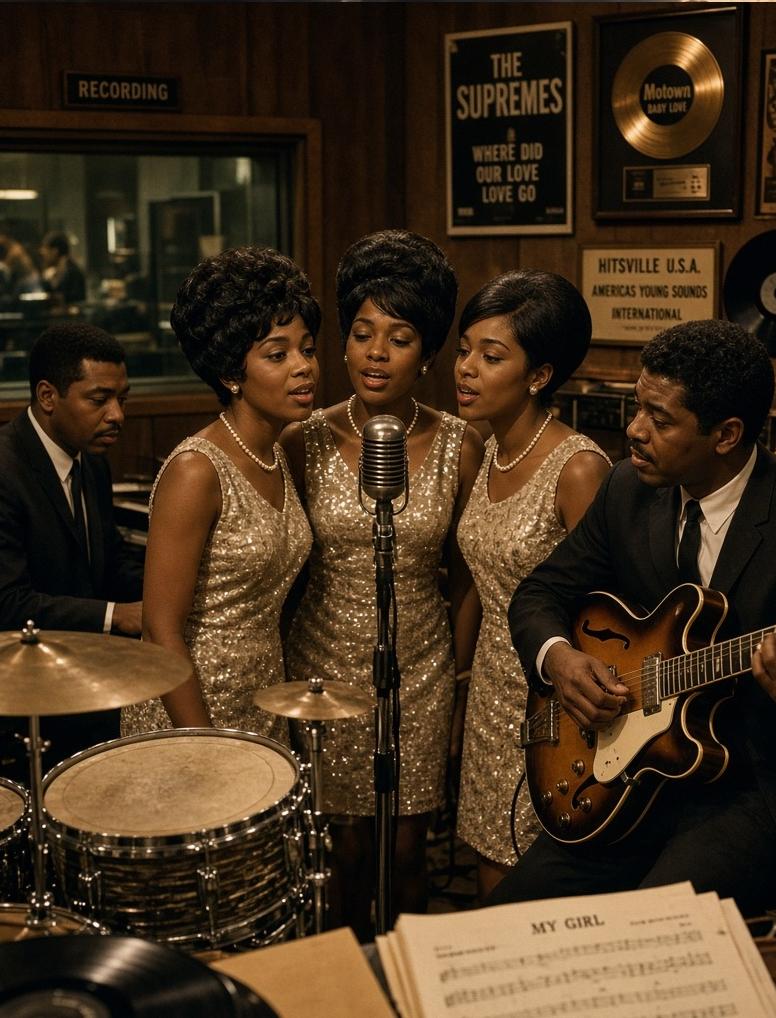
Black Culture Creates Assets, Too
A great song isn’t necessarily finished generating value when it leaves the charts.
It can be streamed by another generation, sampled by another artist, licensed for a movie, revived in a commercial, rediscovered on social media or incorporated into documentaries and anniversary projects.
For Black America, there’s a deeper historical tension here.
Black creators have produced an extraordinary amount of American popular culture. Yet the assets attached to that culture can change hands, sometimes leaving subsequent generations without ownership of something their predecessors helped make valuable.
That doesn’t automatically mean somebody was exploited. Creators can voluntarily sell assets for excellent reasons and receive enormous compensation.
But there’s a difference between creating culture, getting paid by culture and continuing to own culture.
Berry Gordy understood that distinction decades ago.
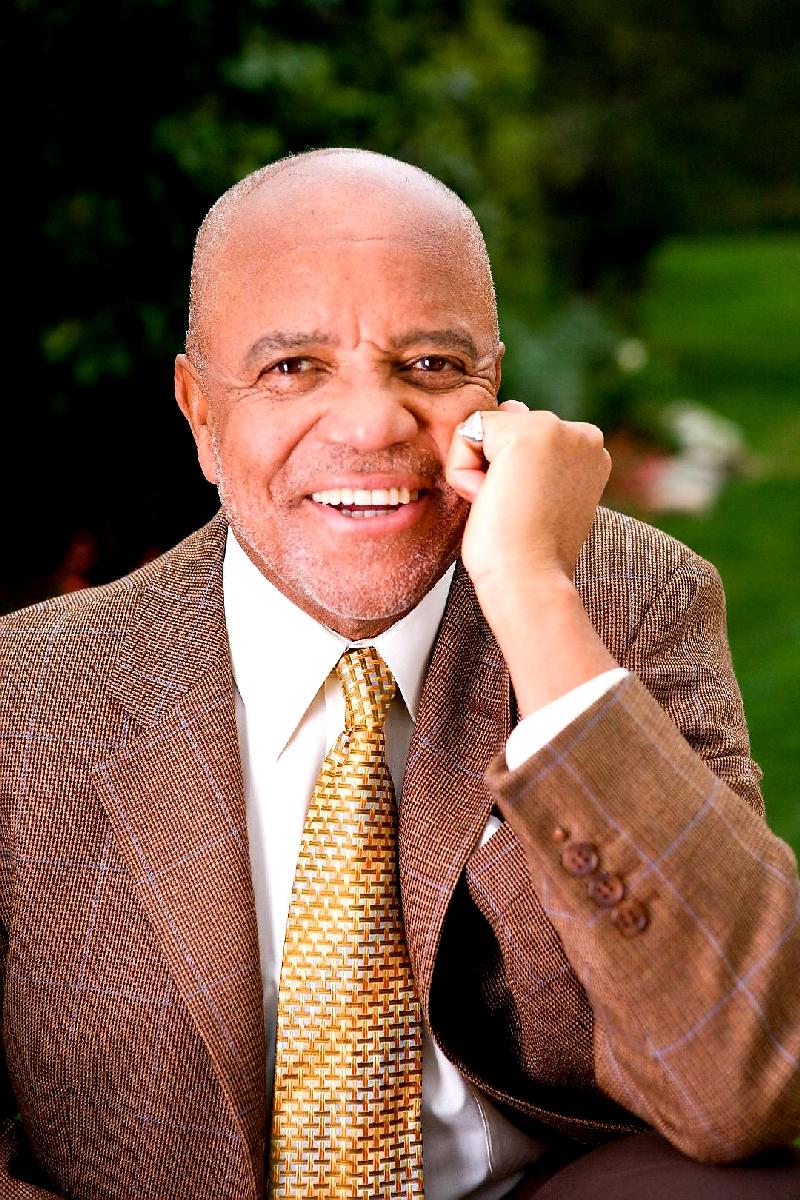
Berry Gordy Sold Motown — but Kept Something Crucial
When Gordy sold Motown Records to MCA and Boston Ventures in 1988, the price was $61 million. The sale carried enormous symbolism because Motown had once been America’s largest Black-owned business. The Los Angeles Times reported at the time that Gordy retained the company’s lucrative publishing operation, including Jobete Music.
That decision looks remarkable in retrospect.
In 1997, EMI paid $132 million for only 50% of Jobete, whose catalog included thousands of Motown compositions. Gordy received more than twice as much for half of the publishing operation as he had received for the Motown record label nine years earlier. The Los Angeles Times reported.
EMI subsequently paid $110 million for another 30% in 2003 and approximately $80 million for Gordy’s remaining 20% in 2004, according to UPI.
The lesson isn’t that Gordy should never have sold.
It’s that he knew there was more than one thing to sell.
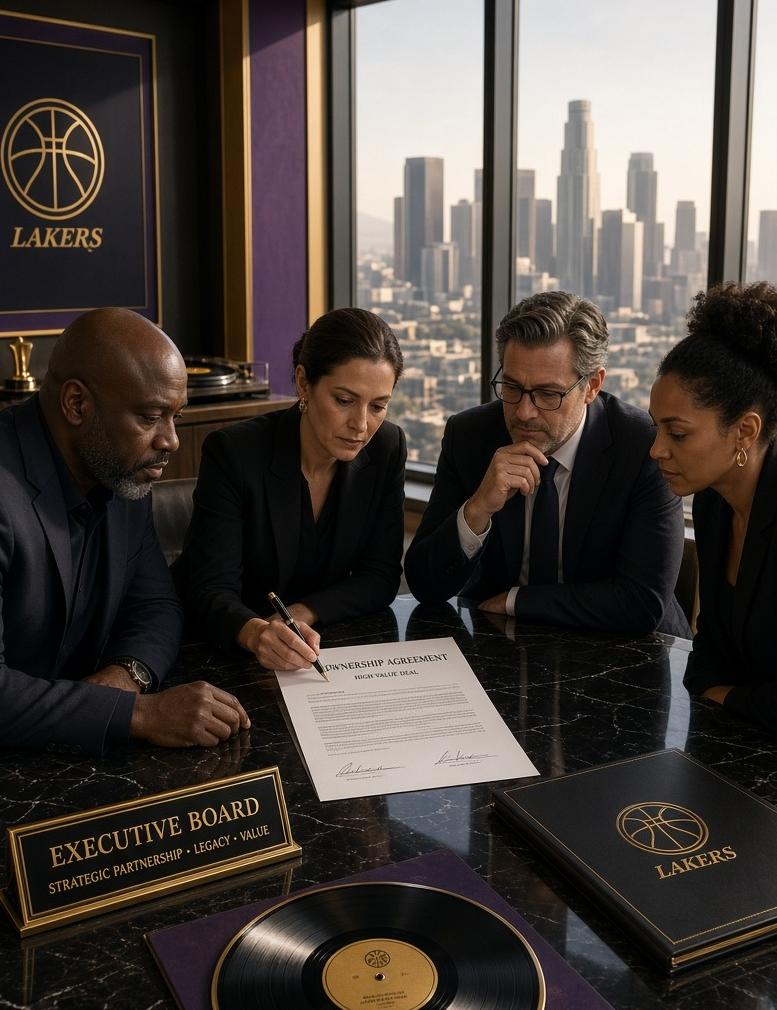
Who Owns Tomorrow’s Upside?
That’s where the Lakers, Motown, and today’s music-catalog market intersect. Selling can create generational wealth. A major payout can diversify assets, simplify an estate, and turn uncertain future royalties into capital that can be invested elsewhere.
Holding isn’t automatically smarter.
But buyers don’t spend fortunes acquiring cultural assets because they expect those assets to become worthless.
They’re buying tomorrow.
Iger’s involvement makes the Lakers deal particularly interesting. During his leadership of Disney, the company acquired Pixar, Marvel and Lucasfilm — properties built around characters and stories capable of generating new value across generations.
The Lakers possess a different kind of intellectual property, but the underlying attraction is recognizable: you can’t create another Lakers history from scratch.
And you can’t record another original Motown era either.
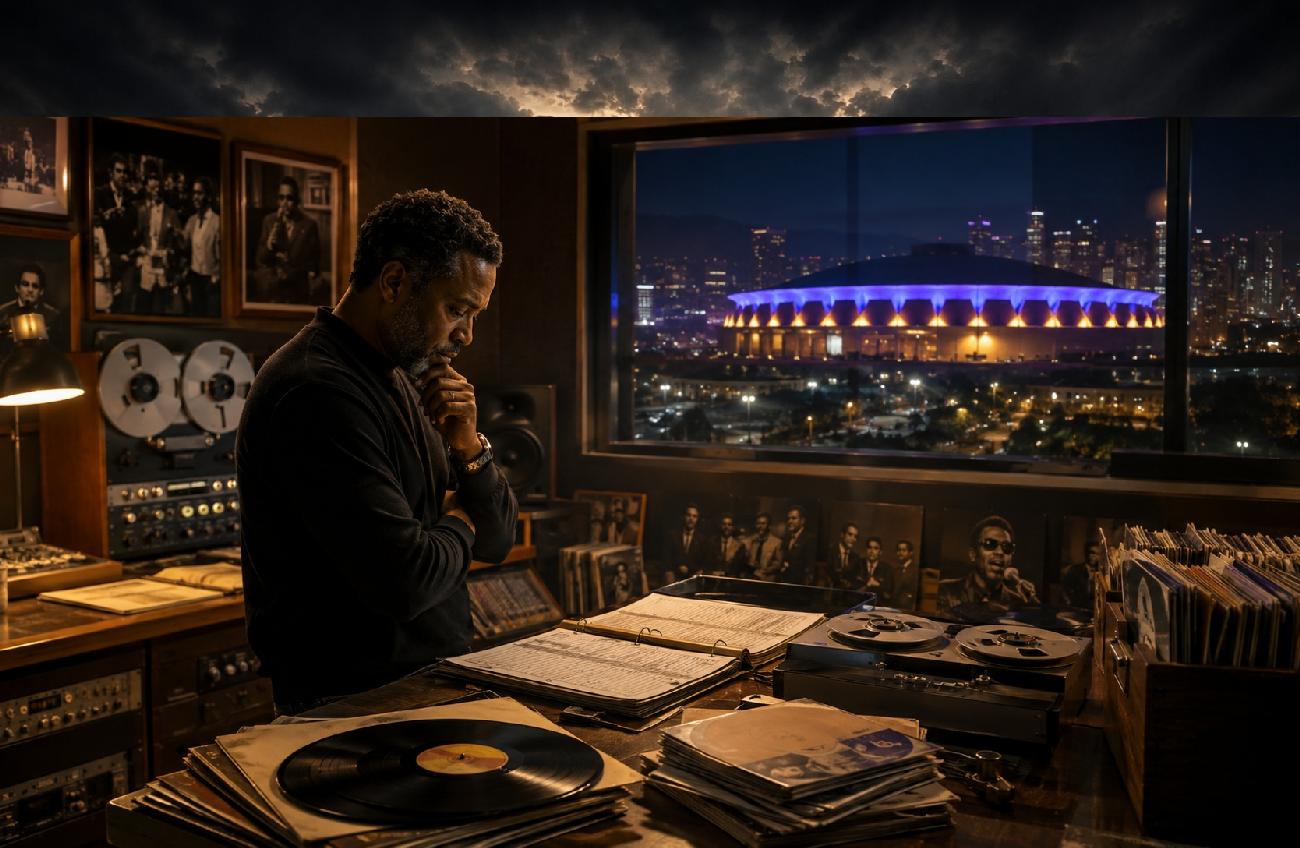
Owning Culture Is Different from Creating It
That’s the larger conversation this $12.5 billion transaction opens. Black America has repeatedly demonstrated an extraordinary ability to create culture that becomes valuable far beyond the community that produced it. Music. Fashion. Language. Sports. Entertainment.
The harder question is how much of the appreciating economic infrastructure surrounding that culture remains in Black hands.
That isn’t an argument against selling to non-Black buyers, nor is every transfer of ownership evidence of exploitation. Sometimes taking the check is exactly the right decision.
Gordy’s example suggests a more sophisticated question.
What are you selling, what are you keeping, and who owns the upside if the culture becomes even more valuable tomorrow?
The Lakers accumulated generations of memories before reaching $12.5 billion.
Motown’s songs continued producing value decades after Hitsville U.S.A.’s golden era.
Culture can make people rich when it’s created. But history keeps demonstrating something else:
Owning the culture once everyone realizes its worth can create an entirely different kind of wealth.
(If You Like/Appreciate This EURweb Story, Please SHARE it!)
MORE NEWS ON EURWEB.COM: The Lakers Are Being Sold — What Happens to the Black Soul of Los Angeles?
We Publish Breaking News 24/7. Don’t Miss Out! Sign up for our Free daily newsletter HERE.