
*A few weeks ago, as I was leaving home to go to the store, my grandson asked, “Where are you going, Grandma?” Without giving it a second thought, I replied, “I will be right back.” I had probably spoken those words thousands of times before. But that day, as soon as I got into my car, I heard a voice say: “That is an article. Write it.” As I drove, those five words haunted me, “I will be right back.”
Then the truth hit me with such force that I became uneasy. Every day, people leave home believing they will return. They kiss their spouses, wave goodbye to their children, lock the front door, and say, “I will be right back.” But some of them never make it back. They did not know that the quick trip to the store would be their last trip. They did not know that the casual goodbye they gave their family would be their final goodbye. They did not know that the unfinished conversation, unsigned document, unpaid policy, or unspoken instruction would be left for someone else to handle.
Suddenly, my mind began racing. Will a drunk driver run a red light and hit me? Will someone begin shooting while I am shopping? Could I be caught in the crossfire on my way home? Is God trying to warn me that something is about to happen? For a moment, I considered turning around. Then another thought came to me: danger is not limited to one location. I could turn around and still be in an accident. I could remain home and experience a medical emergency. None of us can control when or how life will change.
I sat in my car and said, “Lord, what’s up?” I am not ready to die. I still have work to do, lives to touch, books to write, and messages to deliver. But if my time should come, I have made preparations. My children know where my important documents are located. I have life insurance. I have paid for my crypt. My affairs are in order. Then I heard that soft voice again: “Write the article.” I smiled and thought, well, I do not believe it is my time to go today. If my number had been called, God would not be telling me to write the article! But I still did not write it immediately.
I began sharing the experience with some of my clients, and each time I said the words “I will be right back,” they were deeply moved. Those five simple words caused people to stop and think about their own lives. Then, at one o’clock in the morning, I was awakened from a sound sleep by a voice asking: “When are you going to write the article?” I jumped straight up. There are some messages you can postpone—and there are others that will not let you rest until you deliver them. As I gathered my thoughts, I was reminded of something I had written before. The voice said: “Write what you wrote before. Many will hear it this time.” So here we go.
Scroll to continue reading









Death will not be delayed because you are not prepared. You may not like talking about death. Your family may change the subject whenever you mention wills, trusts, insurance, or funeral arrangements. You may believe you have plenty of time. But refusing to discuss death will not prevent it. Ignoring your affairs will not organize them. And loving your family is not the same as preparing your family. When you leave home each day, you expect to return. But if you do not return, what condition will your family find your affairs in?
Will they know where your important documents are? Will they know how to access your bank accounts, insurance policies, business records, passwords, deeds, and financial information?
Will they know whom you appointed to act on your behalf? Or will your loved ones be left grieving, confused, arguing, searching through drawers, calling banks, hiring lawyers, and trying to reconstruct a life you could have organized while you were still able to do so?
Get your personal affairs in order—now! Every adult should consider having an Advance Health Care Directive naming the person authorized to make health care decisions if the adult cannot communicate or decide independently. Every adult should also consider having a General Durable Power of Attorney authorizing a trusted person to handle financial and legal matters if the adult becomes incapacitated.
Ask yourself:
- Does my family know where my life insurance policy is located?
- Are the beneficiaries on my bank accounts, retirement accounts, and insurance policies current?
- Is a deceased person still listed as one of my beneficiaries?
- Have I named backup beneficiaries?
- Does someone know where my burial plot, crypt, or funeral arrangements are located?
- Do I have a will or living trust?
- Does my trust still reflect my present wishes?
- Have marriages, divorces, births, deaths, property purchases, or family conflicts made changes necessary?
- Does a trusted person know how to locate my passwords and digital accounts?
- Have I written down my final wishes, or am I expecting my family to guess?
Do not merely read these questions and say, “I need to take care of that one day.” Choose a day—and let that day be today.
Business owners, your family may know less than you think
Throughout my years as a business consultant and estate planner, I have discovered that many spouses and adult children know very little about the family business. They may know the name of the company, but they do not know:
- How the business is legally structured.
- Where the corporate or LLC records are kept.
- Who has authority to operate the business.
- Where the bank accounts are located.
- What contracts, debts, taxes, payroll obligations, or insurance policies exist.
- How to contact the accountant, attorney, banker, vendors, or major clients.
- What should happen to the business if the owner dies or becomes incapacitated.
Some business owners carry all of this information in their heads. That is not a succession plan. If something happens to you, will your business continue producing income for your family—or will it collapse because no one knows what to do? Write down the information. Organize the records. Name responsible people. Create a succession plan. Let the people who will be affected know that a plan exists and where to find it. Your business should not die simply because you did.
Single parents, please do not leave your children out in the cold
If you are raising a minor child or caring for a person with special needs, preparation is not optional. Who would care for your child if you did not return home? Who would you trust to manage the money or property you leave behind? Have you legally named the person you want to serve as guardian? Have you created a trust with clear instructions for how funds should be managed and distributed? Have you planned for a child or adult whose disability-related public benefits could be affected by an outright inheritance? A verbal promise is not enough. Telling a relative, “If anything happens to me, take care of my child,” may express your wishes, but it does not necessarily provide the legal authority, financial protection, or detailed instructions your child may need. Put your love in writing.
Stop saying, “my family knows what I want.” Your family may believe they know what you want—but grief changes people. Money changes people. Property can divide people. Old wounds can reopen, and misunderstandings can turn relatives into courtroom opponents. Clear legal instructions help protect the family from confusion, conflict, unnecessary expenses, and delay. Do not leave your loved ones a mystery to solve. Do not leave them searching for papers they cannot find. Do not force them to make difficult decisions while they are grieving. Do not leave your children an inheritance wrapped in chaos.
Take the “be right back” challenge today. Before you go to bed tonight, take these five actions:
- Choose one trusted person who should know where your important information is located.
- Gather your essential documents into one secure and accessible place.
- Review every beneficiary designation on your bank accounts, insurance policies, retirement plans, and investments.
- Schedule an appointment to create or update your estate-planning documents.
- Write emergency instructions covering your family, property, business, medical needs, and final arrangements.
You do not have to complete everything today—but you must begin today. Make the phone call, schedule the appointment, find the policy, update the beneficiary, organize the records, have the uncomfortable conversation, and do something before “later” becomes too late.
Life happens—with or without your permission. An accident does not make an appointment. A stroke does not wait for your paperwork. A heart attack does not ask whether your beneficiaries are current. Dementia does not postpone itself until you finish your trust. Death will not be delayed because your affairs are not in order. Take responsibility while you are in your right mind, while you can still communicate your wishes, protect your property, and decide who should act on your behalf.
You have worked too hard to leave everything you built exposed to confusion, conflict, unnecessary taxes, court proceedings, or loss. Your financial legacy, your family’s peace, your children’s protection and the business you have built, they all matter. Preparation is not about expecting to die. It is about respecting the reality of life—and loving your family enough not to leave them unprepared.
The next time you walk out the door and say, “I will be right back,” remember: You expect to return, but tomorrow has never signed a contract with any of us. Get your house in order. Get your business in order. Get your documents in order. And do it now—while you still have the power to decide.
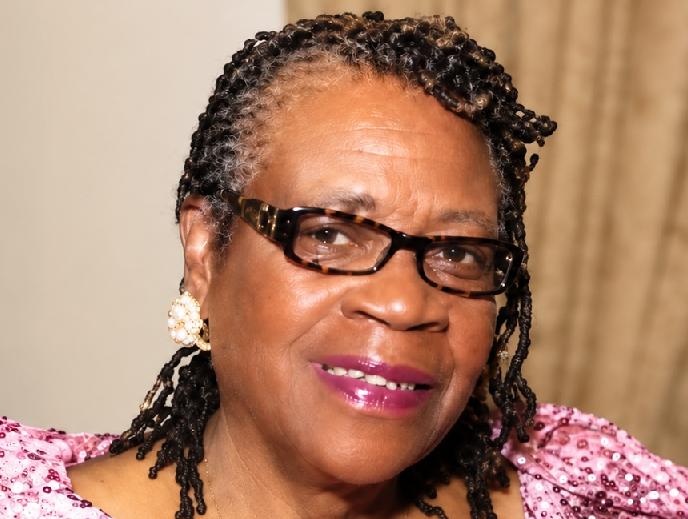
Dr. Rosie Milligan is a Senior Estate Planner, business consultant, author of Departing This Life Preparations, talk-show host, and owner of Professional Business/Management Consulting Services,1425 W. Manchester Avenue, Suite B Los Angeles, California 90047, 323-750-3592 [email protected]
(If You Like/Appreciate This EURweb Story, Please SHARE it!)
RELATED NEWS ON EURWEB.COM: Dr. Rosie Milligan’s Open Letter to Pastors and the Church: Time is of the Essence!
We Publish Breaking News 24/7. Don’t Miss Out! Sign up for our Free daily newsletter HERE.