*In today’s fast-paced, technology-driven world, screens are everywhere. From the moment we wake up to the moment we go to bed, we’re surrounded by smartphones, laptops, tablets, and televisions. These devices have revolutionized how we work, communicate, and entertain ourselves, but they’ve also introduced a new challenge: the erosion of our sleep health. As screen time continues to rise, so do concerns about its impact on our ability to get a good night’s rest. This article delves into how digital screens affect sleep, the science behind these disruptions, and practical steps to protect your sleep in a screen-dominated world.
The Importance of Sleep Health
Sleep is a cornerstone of overall health and well-being. It’s during sleep that our bodies repair tissues, consolidate memories, and regulate hormones. Adults typically need 7–9 hours of quality sleep each night to function at their best. Unfortunately, many people fall short of this goal, leading to a host of health problems. Chronic sleep deprivation has been linked to increased stress levels, weakened immune systems, weight gain, heart disease, and mental health issues like anxiety and depression.
Signs of Poor Sleep Health:
- Trouble falling asleep
- Waking up frequently during the night
- Feeling exhausted or groggy during the day
- Mood swings or irritability
- Difficulty concentrating and reduced productivity
Maintaining good sleep health is vital for a balanced life, but the pervasive use of digital screens has made this increasingly difficult.
Scroll to continue reading










How Digital Screens Affect Sleep
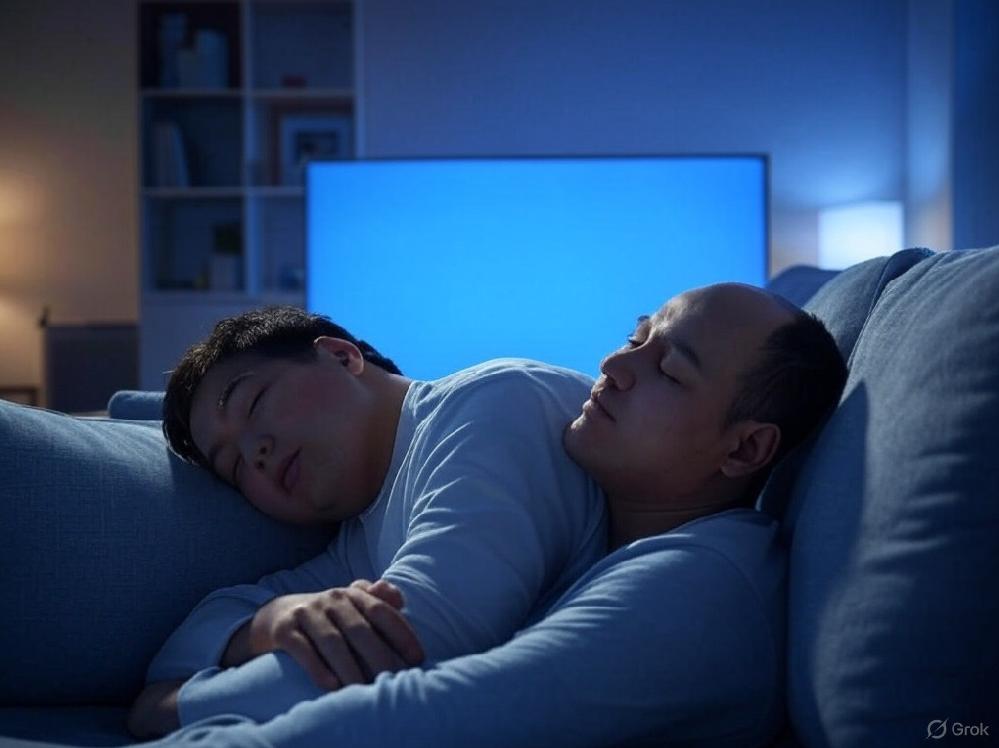
The primary way digital screens disrupt sleep is through their emission of blue light. Blue light is a high-energy visible (HEV) light that is beneficial during the day because it boosts alertness and enhances cognitive performance. However, when exposed to blue light at night, our brains receive mixed signals. The light tricks the brain into thinking it’s still daytime, which interferes with the body’s natural circadian rhythm, or internal clock.
The Science Behind Blue Light and Sleep Disruption
Our bodies produce a hormone called melatonin, which regulates sleep-wake cycles. As darkness falls, melatonin levels rise, signaling that it’s time to sleep. However, blue light from screens suppresses melatonin production, delaying sleep onset and reducing the overall quality of sleep.
Effects of Excessive Screen Time on Sleep:
- Delayed Sleep Onset: Staring at screens before bed can make it harder to fall asleep.
- Reduced REM Sleep: REM (Rapid Eye Movement) sleep, which is critical for brain function, can be shortened by screen exposure.
- Frequent Night Awakenings: The stimulating nature of digital content can lead to fragmented sleep.
- Increased Daytime Sleepiness: Poor sleep at night often results in fatigue, lack of focus, and lower productivity during the day.
Digital Screen Exposure and Sleep Disorders
Research has shown a strong connection between excessive screen time and sleep disorders like insomnia and delayed sleep phase disorder (DSPD). Insomnia, characterized by difficulty falling or staying asleep, is often exacerbated by late-night screen use. DSPD, on the other hand, shifts the sleep-wake cycle, making it hard to wake up at conventional times.
Additionally, screen time before bed can lead to sleep procrastination, where individuals delay sleep to scroll through social media, watch videos, or play games. This behavior can create a cycle of chronic sleep deprivation, further harming overall health.
How to Reduce the Negative Effects of Digital Screens on Sleep
While it’s nearly impossible to avoid screens altogether in today’s digital age, there are practical steps you can take to minimize their impact on your sleep:
- Establish a Screen Curfew
Aim to stop using screens at least 1 hour before bedtime. Replace screen time with relaxing activities like reading, meditating, or listening to soothing music. - Enable Night Mode and Blue Light Filters
Most devices offer settings that reduce blue light emission in the evening. Activate these features to lessen the impact on your melatonin levels. - Use Blue Light Blocking Glasses
If you must use screens at night, consider wearing blue light blocking glasses to protect your eyes and reduce sleep disruption. - Adjust Screen Brightness
Lower the brightness of your screens in the evening and switch to dark mode or warm light settings to create a more sleep-friendly environment. - Maintain a Consistent Sleep Schedule
Going to bed and waking up at the same time every day helps regulate your circadian rhythm, making it easier to fall asleep and wake up naturally. - Avoid Stimulating Content Before Bed
Steer clear of exciting movies, intense video games, or heated online debates before bed. Instead, opt for calming content if you need to use screens. - Keep Screens Out of the Bedroom
Design your bedroom as a screen-free zone. Use an alarm clock instead of your phone to avoid the temptation of late-night scrolling.
Conclusion
Digital screens have become an indispensable part of modern life, but their overuse, particularly before bedtime, can take a toll on sleep health. By understanding the science behind blue light and its effects on sleep, we can make smarter choices about our screen habits.
Simple changes, such as setting a screen curfew, using blue light filters, and maintaining a consistent sleep schedule, can significantly improve sleep quality and overall well-being.
Prioritizing sleep is essential for long-term health and happiness. By striking a balance between technology use and mindful habits, we can enjoy the benefits of the digital world without sacrificing our rest. After all, a good night’s sleep is the foundation of a productive, fulfilling life.
source: medium
MORE NEWS ON EURWEB.COM: Evening Exercise Could Boost Sleep Quality, Study Finds | VIDEO
Sign up for our Free daily newsletter HERE.