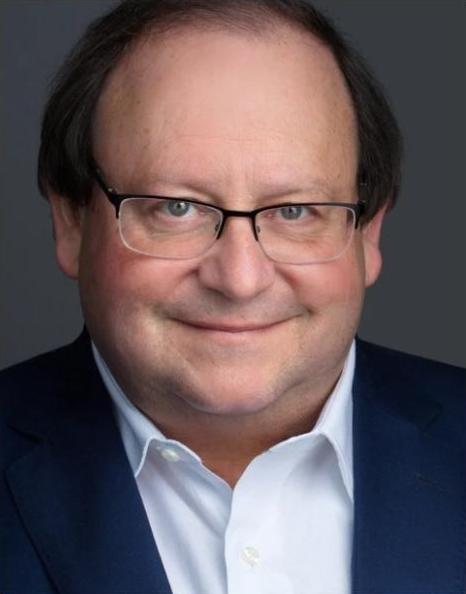
*Since founding Gentell in 1994, David Navazio has transformed the company into the world’s only vertically integrated wound care provider.
His leadership, dedication to customer and patient care, and his commitment to philanthropy have made him a respected voice in the healthcare industry.
In a recent interview, Navazio shared his insights on Medicare and Medicaid, the potential economic consequences of federal healthcare cuts, and the evolving landscape of long-term care, particularly for urban America.
Navazio explained that while both Medicare and Medicaid provide essential healthcare services, they serve different populations and are administered differently.
“Medicare is health insurance primarily for individuals aged 65 and older, as well as for those with disabilities. It is an insurance program administered by the federal government,” he stated. “Medicaid, on the other hand, is a state-administered program designed to assist low-income individuals and families, including children.”
Scroll to continue reading










When asked about the potential elimination of Medicare and Medicaid from the federal budget, Navazio warned of catastrophic consequences.
“If Medicare and Medicaid were cut, the economy would suffer dramatically. Healthcare facilities rely heavily on these programs to function, and removing them would lead to a complete collapse of the system,” he explained. “We lead the world in healthcare, but without these funding sources, we risk losing that status.”
Navazio also addressed the potential impact of tariffs on the healthcare industry, stating that any increases in medical supply costs would ultimately be passed on to consumers.
This would be particularly difficult financially for underserved and urban communities.
“If tariffs are imposed on medical supplies, the cost of wound care and other treatments will rise. Unfortunately, it’s the patients who will bear the financial burden,” he noted.
As a leader in wound care, Navazio emphasized Gentell’s role in serving veterans and others with specialized medical needs.
“Veterans’ healthcare is still largely controlled by government programs, which means funding and resources remain critical concerns,” he said. “Ensuring access to quality wound care for all patients, especially those in long-term care facilities, is a priority.”
Navazio remained cautiously optimistic about the new leadership at the Department of Health and Human Services (HHS), particularly Robert Kennedy Jr.’s stance on nutrition and public health.
However, he expressed concerns over others of his policy positions.
“I have to be hopeful, but I also have to assume that core policies won’t change much. Kennedy’s emphasis on better eating habits is a positive strategy, but I strongly disagree with some of his views on vaccinations,” he said.
Discussing disparities in healthcare access, Navazio argued that urban and rural areas should not face differences in hospital care, but the reality tells a different story.
“There shouldn’t be a difference in care, but what we’re seeing is a shortage of physicians, particularly in rural areas. This lack of access can create serious safety risks for patients seeking urgent medical attention,” he explained.
With Gentell working closely with long-term care facilities, Navazio shared advice for families considering nursing home care for their loved ones.
“Families must understand that, at a certain point in life, a long-term care facility becomes necessary. However, limited staffing is a challenge, and families should carefully evaluate facilities based on the quality of care, staff-to-patient ratios, and overall patient well-being,” he advised.
Navazio has played a pivotal role in shaping wound care policies through his advocacy efforts.
Working with the National Association for the Support of Long-Term Care (NASL), he co-chaired a committee that successfully lobbied for the recognition of advanced wound care products under Medicare Coverage Policies.
“This Congressional change allowed Medicare to provide coverage for advanced wound care, setting a precedent for private insurers as well,” he explained.
Beyond his corporate work, Navazio remains deeply involved in philanthropy.
He serves as Board Chair Emeritus of Pearl S. Buck International, Trustee of Liguori Academy in Philadelphia, and has supported numerous civic organizations, including Rotary International and the Salvation Army.
As healthcare policies continue to evolve, Navazio remains committed to ensuring that Gentell provides innovative wound care solutions for all Americans from all walks of life, while advocating for policies that support patients and healthcare providers alike.
“Our goal is to continue leading the industry in patient-centered wound care, while also ensuring that policies remain in place to support those who rely on Medicare and Medicaid,” he concluded.
As of December 2024, over 145 million Americans were enrolled in Medicare or Medicaid.
For more information about David Navazio and Gentell, visit Gentell.com.

MORE NEWS ON EURWEB.COM: Insightful Conversation with Denita Conway: Leadership, Logistics Trends, and the Power of Persistence
Sign up for our Free daily newsletter HERE.