
*In an increasingly polarized world, where acts of hate and discrimination appear to be amplified, the words of Pulitzer Prize-winning food critic Jonathan Gold resonate profoundly. He championed the idea that food has the power to bring together diverse communities, stating that he wrote to help people become “less afraid of their neighbors.”
This sentiment is more crucial now than ever, as acts of antisemitism, Islamophobia, and anti-Arab racism have surged following the horrific events in Israel and the devastating aftermath in Gaza (10-07-23).
The subsequent rising tide of prejudice has left many parents grappling with how to shield their children from these harsh realities while also instilling the values of tolerance and compassion. As discussions around hate speech often flare during times of societal crises—such as the COVID-19 pandemic—it’s vital to recognize that hate crimes frequently begin with harmful rhetoric directed at vulnerable communities.
A 2022 report from the U.S. Department of Justice revealed that hate crimes surged to their highest levels in over a decade, with AAPI communities severely impacted by prejudice during the pandemic. The issue of hate crimes is also being addressed by the state of California with its CAvsHate campaign.
Furthermore, the Black Lives Matter movement has sparked global conversations about systemic racism, urging societies worldwide to confront their biases and strive for equality. In this light, it’s essential to recognize that combating hate and discrimination is not just a personal responsibility, but a collective one.
Scroll to continue reading









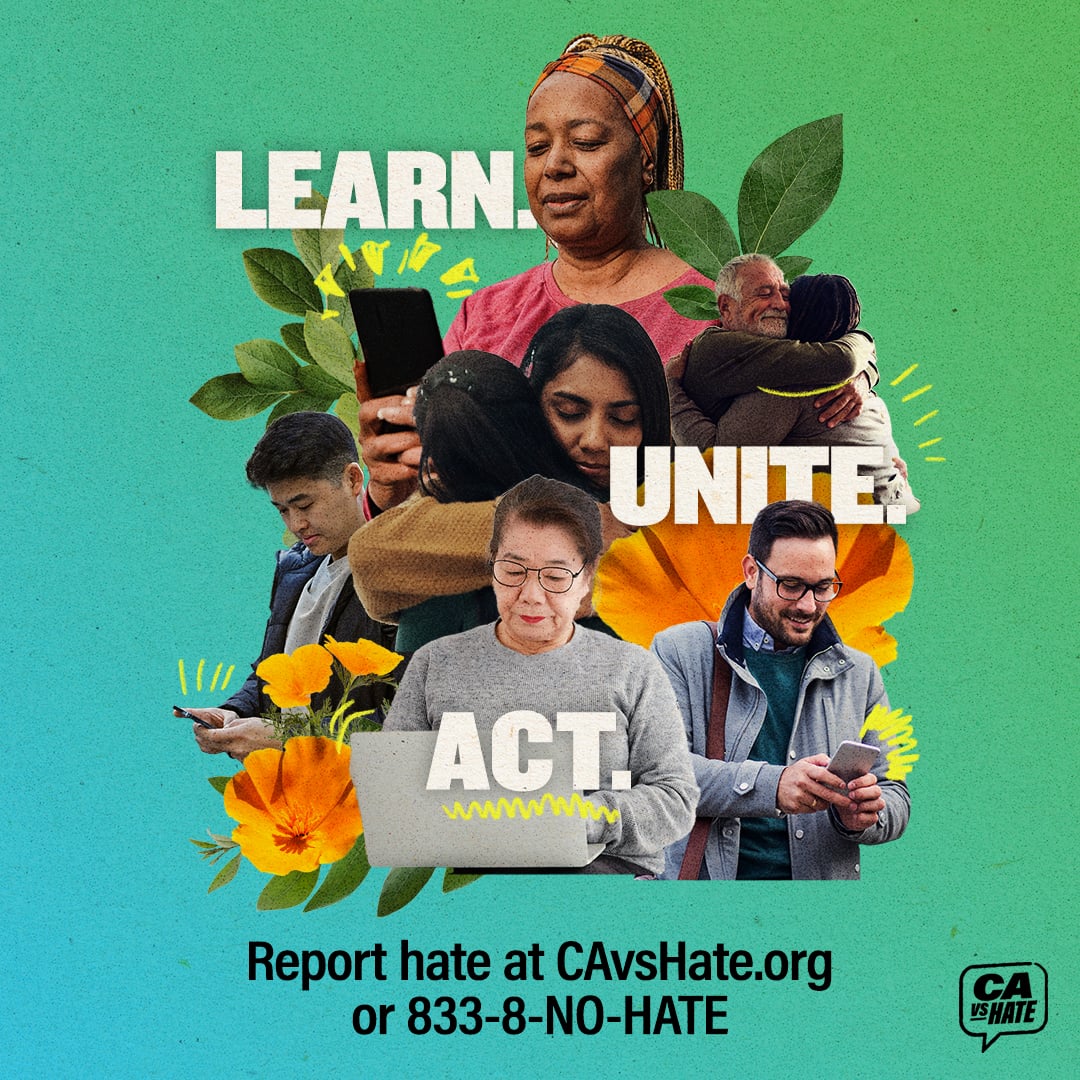
Here are five impactful ways to join the fight against hate and promote a culture of inclusion and respect:
1. Celebrate Other Cultures
One of the most effective ways to foster understanding and acceptance is to actively celebrate cultural diversity. Engaging with local organizations that promote events celebrating different ethnic groups can provide a platform for connection and appreciation. Attend festivals, film screenings, language classes, or guest lectures—these experiences open doors to cross-cultural conversations.
Invite your children along to these events. This not only teaches them to appreciate diverse traditions but also offers them firsthand experience of what it means to coexist harmoniously with individuals from various backgrounds. Supporting immigrant-run businesses by trying unique cuisines from around the world can also cultivate an appreciation for diversity.
2. Call Out Bigotry and Hate Speech
Silence in the face of bigotry perpetuates harm. For instance, in recent years, hate speech has become more prevalent across social media and public forums. It’s crucial to confront hateful sentiments directly when we encounter them. If you hear someone perpetuating a stereotype or a racist remark disguised as humor, don’t shy away from speaking up. It’s essential to explain why such jokes are harmful; dispelling myths and promoting empathy can change attitudes over time.
Encourage children to develop the confidence to challenge unkind comments they might hear. Foster an environment where they understand the importance of standing firm against hate, contributing to a culture where prejudice is increasingly unacceptable.
3. Teach Children Kindness and How to Talk about Differences
Understanding and empathy can be cultivated from a young age. Prejudice is learned, which means it can be unlearned. As adults, we must set a strong example for young minds. While discussing differences—whether they arise from race, religion, or socioeconomic backgrounds—emphasize the values of kindness, respect, and equality.
Encourage children to engage in conversations about diversity and inclusion. This can start with reading books that feature diverse characters or watching films that portray varied cultural perspectives. Engaging in open dialogue about societal issues helps children grasp the complexity of human experiences and fosters an innate sense of understanding.
4. Act in Solidarity — and Intervene Safely
When individuals stand united, it diminishes the power of bullies and hateful individuals. If you witness someone facing injustice—whether it’s harassment or discrimination—intervening can make a difference. If it’s safe to do so, approach the situation with caution. Make your presence known; offer support to the targeted individual and express that such behavior is unacceptable.
The U.S. Department of Health and Human Services provides resources on how to respond safely in such situations. Supporting others in facing adversity reinforces the communal obligation to combat hate, ensuring that marginalized voices are not silenced.
5. Support Human Rights Organizations
Championing the rights of marginalized communities requires a collective effort. Organizations like UNICEF advocate tirelessly for the rights of children worldwide. By supporting such organizations, you contribute to a legacy that recognizes every child’s right to a safe and dignified life. Children uprooted by war or poverty deserve our empathy and advocacy, as they embody the potential for positive change in the world.
Engaging in charitable actions, such as volunteering time or donating resources, helps uplift those who are often overlooked. It is essential to affirm that human rights are universal and non-negotiable. Every contribution, no matter how small, can have a ripple effect, fostering a culture of solidarity and support that is crucial in times of crisis.

Conclusion
In these challenging times, the importance of fighting hate and discrimination cannot be overstated. As individuals and as a society, we hold the power to create change. By celebrating diversity, confronting hate speech, teaching our children compassion, standing in solidarity with marginalized groups, and supporting human rights organizations, we can forge a path toward a more inclusive world.
Jonathan Gold’s belief that food can bridge cultural divides serves as a powerful metaphor for the human experience. Just as diverse cuisines come together to create a richer culinary landscape, our varied backgrounds, perspectives, and experiences can culminate in a stronger, more compassionate society.
As we look to the future, let us commit to combating hate and discrimination at every turn. Each act of kindness, each confrontation of prejudice, and each moment spent celebrating our shared humanity contributes to a more harmonious world. In doing so, we not only protect those who are vulnerable but also nurture an environment where everyone has the opportunity to thrive. Together, we can stand against hate and foster a legacy of love, acceptance, and understanding for generations to come.
NOTE: This article is part of EURweb’s commitment to help in the fight against hate in California and beyond in association with the CAvsHate campaign. Learn more here: https://www.cavshate.org/.
MORE NEWS ON EURWEB.COM: The CA vs. Hate Statewide Anti-Hate Hotline … Controlling the Flow of Hate