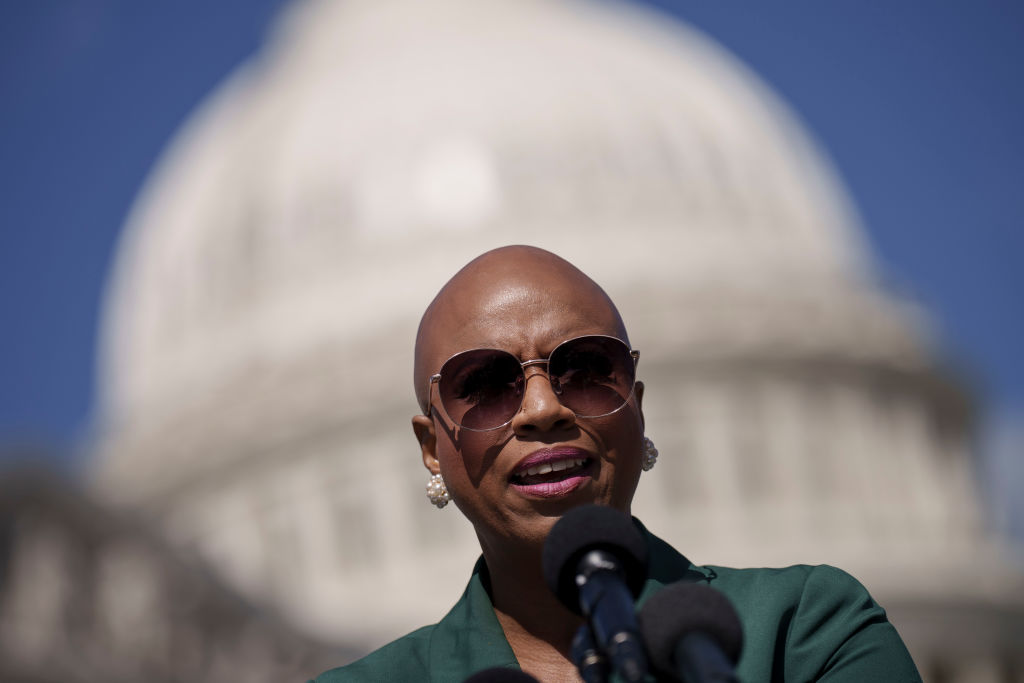
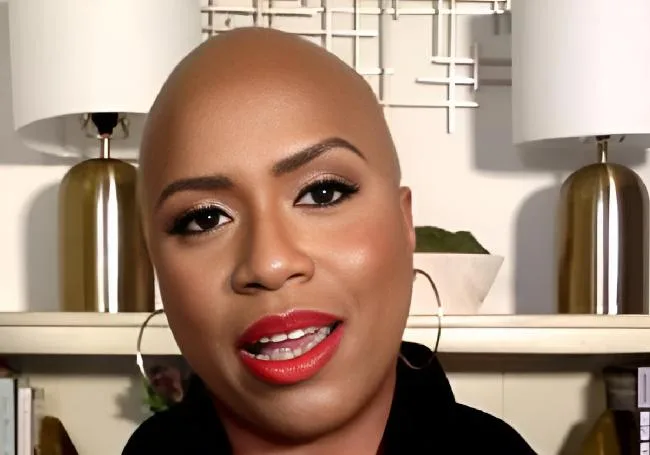
*Rep. Ayanna Pressley, D-Mass., is calling on the Federal Reserve to intervene as Black women face economic hardship, warning that the recovery is leaving them behind.
In a letter to Fed Chair Jerome Powell, Pressley cited new data from the Bureau of Labor Statistics showing Black unemployment has climbed to 7.5%—the highest rate since October 2021 and more than double that of white workers. Economists say if this figure reflected the national average, it would be treated as a crisis.
With 69% of Black women being the primary earners in the household, the loss of wages can be detrimental. She highlighted the outsized role Black women play in the labor force and in their households, noting they are more likely than any other demographic group to be enrolled in higher education, lead in entrepreneurship, and serve as primary breadwinners.
As the unemployment chasm widens between racial groups, Black women have the highest rate of unemployment since the pandemic at 6.3%.
Scroll to continue reading





“When the rest of the country gets a cold, Black folks get pneumonia,” Pressley told NBC News, invoking a familiar refrain that underscores the disproportionate impact of economic downturns on Black communities.

Advocates warn that the uptick in national unemployment from July to August could signal a troubling trend. If the numbers continue to rise, they say, the country may be headed toward broader economic instability—with Black communities once again bearing the brunt.
The congresswoman’s letter was a pointed rebuke of the current trajectory under President Donald Trump, whose administration has overseen federal workforce reductions, shifts in key industries, and a rollback of corporate diversity initiatives.
These changes have hit Black Americans hardest, particularly in public service, manufacturing and hospitality—sectors where they are heavily represented.
“This disparity should not go overlooked,” Pressley wrote. “Unemployment of Black women is a key metric of the health of the U.S. economy.”
“You should see the current economic outlook as a glaring red flag that forebodes danger for the entire country,” she warned.
Pressley didn’t hold back in her critique of the administration’s policies, writing, “The Trump Administration is harming the economy by causing the labor market to lose the wealth of knowledge, innovation, and skill that Black women have contributed to this nation.”
She added, “None of this is by accident. This is discriminate harm. It is precise and it is targeted. And eventually this harm will come for everyone. But the patterns of it, the precision of it—it’s a predictable playbook. It is not happenstance.”
Between February and July 2025, approximately 319,000 Black women were pushed out of the U.S. workforce—many from federal government jobs—due to sweeping budget cuts, DEI rollbacks, and executive orders under the Trump administration.

Impact of Mass Firings on Black Women, Families and Futures
-
Black women were the only major female demographic to experience steep job losses during this year, while other groups saw gains.
-
These layoffs disproportionately affected agencies where Black women dominated in staffing, such as the Department of Education and USAID.
-
The mass exit has widened the economic and opportunity gap, weakening professional networks and mentorship pipelines that support Black women’s advancement.
Julie Su, former Acting Secretary of Labor, echoed Pressley’s concerns, blaming federal cuts for destabilizing Black communities.
“Donald Trump’s War on Workers may be playing well with his billionaire buddies, but it’s leaving everyone else less stable, less secure, and poorer,” Su said.
Black women comprise roughly 12% of the federal workforce—a significant share by any measure. But job losses in that sector have ripple effects, increasing household dependence on government assistance programs like SNAP, which are also facing cuts.
Pressley followed up on the letter with a presser at the Capitol on September 25 where a coalition of Black women joined her to state their demands. She reiterated the call for the Fed to remain independent and for Powell to uphold the statutory mandate of employment for all. “Chairman Powell, do your job,” she said.
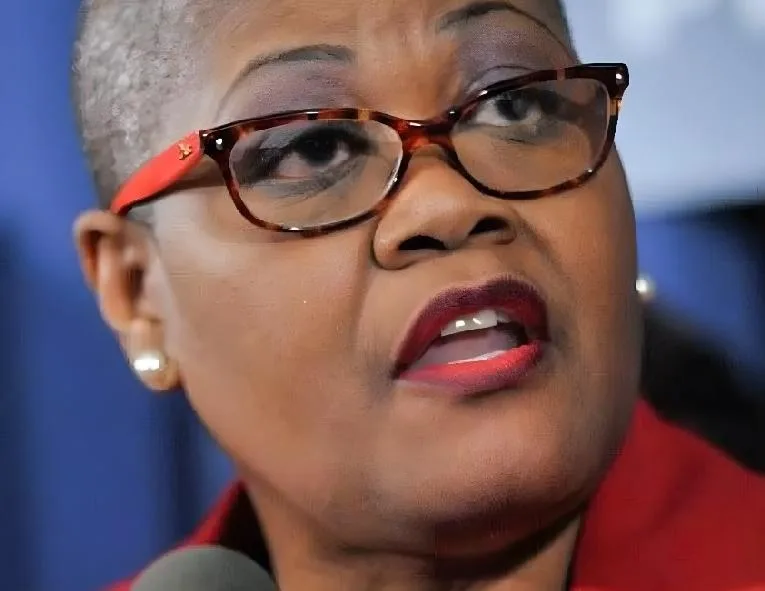
Melanie Campbell CEO of the National Coalition of Black Civic Participation, zoomed in on the massive number of firings, pointing to the noticeable racial differences saying: “One thing about this number that troubles us is the truth of the matter is had this been 319,000 White women who had lost their jobs at a higher rate than anybody else it would be on the news 24/7.”
Leah Daughtry, Presiding Prelate of the House of the Lord Churches advised, “Let us not think that the economic impacts are constrained just to our own communities.” Without the purchasing power Blac women bring to the U.S. she added, “When Black women are pushed out of the workforce, the entire economy contracts.” She addressed the reality of workers who were making six figures not being willing to “flip burgers.”
Founder of Black Millennial Cafe, Rev. Dr. Parker spoke directly to the moral aspect of the crisis, mentioning that three-fourths of black women attend church and may begin to rely more on ministries for food and general benevolence. the crisis of black women unemployment is a Biblical sin of omission she argued. need for churches to brace themselves for stronger dependance.
The pending government shut down, should it go into effect, would only compound the challenges they laid out Pressley said.
(If You Like/Appreciate This EURweb Story, Please SHARE it!)
MORE NEWS ON EURWEB.COM: WNBA Star Napheesa Collier Drops Bomb on League Commissioner in Explosive Press Conference | WATCH
We Publish Breaking News 24/7. Don’t Miss Out! Sign up for our Free daily newsletter HERE.