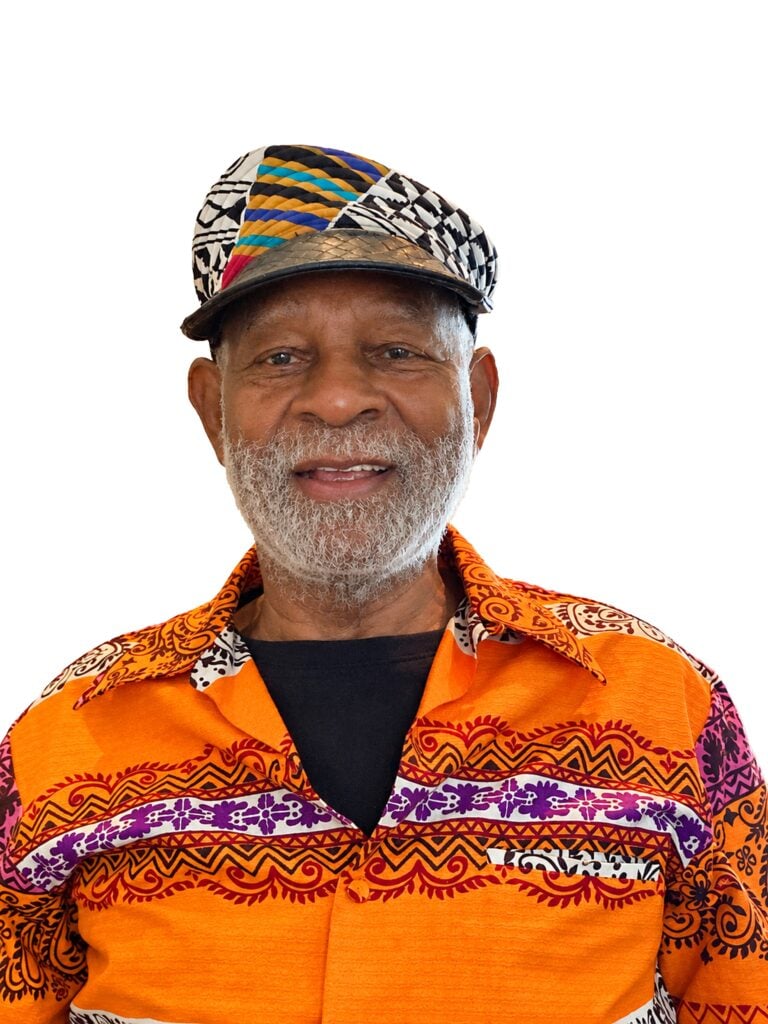
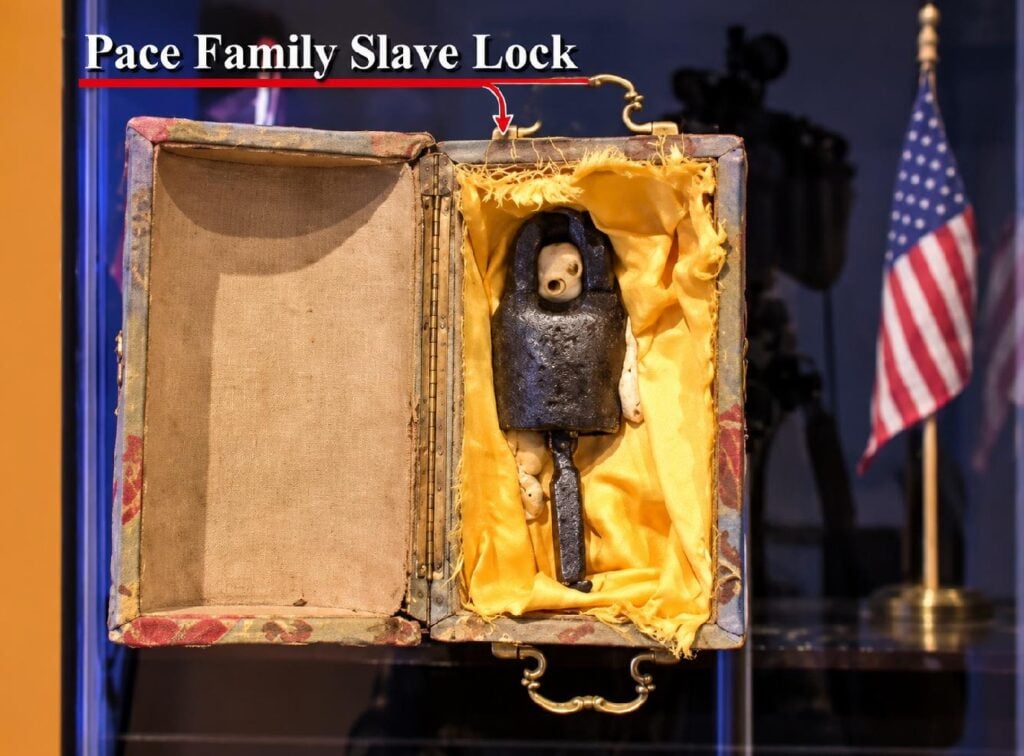
*When Dr. Lorenzo Pace learned in 1991 that the remains of hundreds of Africans had been discovered in Lower Manhattan, the news collided with a deeply personal discovery of his own: his family had just entrusted him with the lock used to enslave his great-grandfather, Steve Pace.
“That same year, in 1991, my father, Reverend Pace, passed away,” Pace told EURweb in an original interview ahead of the seventh annual Triumph of the Human Spirit Day on Oct. 8.
Pace returned to Birmingham, Alabama, to bury his father. During that family gathering, his uncle retrieved a bag his father had kept for decades.
Inside was the lock, passed through generations of the family.
“They decided I’d be the keeper of the lock,” Pace recalled.
Scroll to continue reading







When he returned to New York and saw news of the African Burial Ground discovery, the convergence was overwhelming.
“It shook me to the core,” he said. “I have a lock that enslaved my great-grandfather, Steve Pace, in Alabama. And so, it became a personal thing.”
That intensely personal connection would eventually shape Pace’s work as an artist, author and educator, turning a painful family artifact into a vehicle for preserving history.
The lock became more than an heirloom — it became a bridge between his own family’s experience of slavery and the African ancestors whose remains were uncovered beneath Lower Manhattan.
From a Family Heirloom to a Monument
The African Burial Ground was rediscovered during construction of a federal office building in Lower Manhattan. The site ultimately revealed the remains of more than 400 Africans from the colonial era, transforming public understanding of slavery and Black life in early New York.
When artists were invited to propose a monument honoring that history, Pace entered the competition. He told EURweb that more than 400 artists applied.
After getting the opportunity, however, he faced a fundamental question: What image could adequately represent the people buried there?
Pace went to New York’s Metropolitan Museum of Art and found inspiration in the Ci Wara, an antelope figure associated with Mali and agricultural traditions.
He was particularly drawn to the female form.
“Why female? Because female carries the baby on her back, which represents the next generation,” Pace explained.
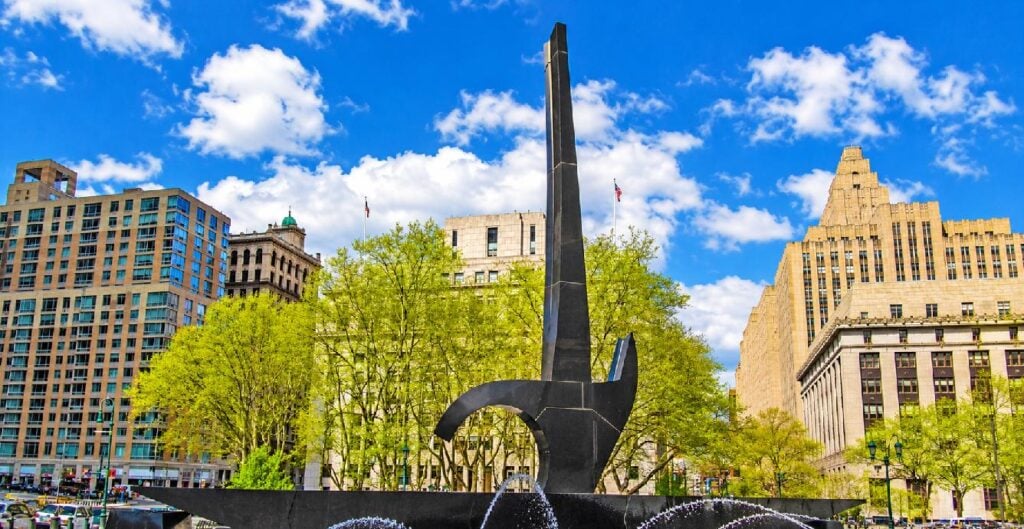
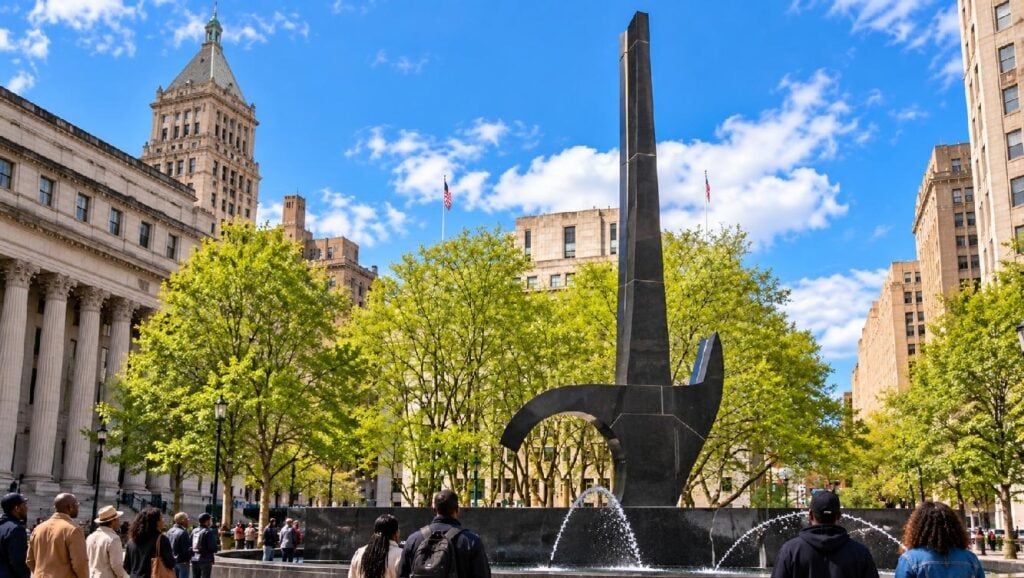
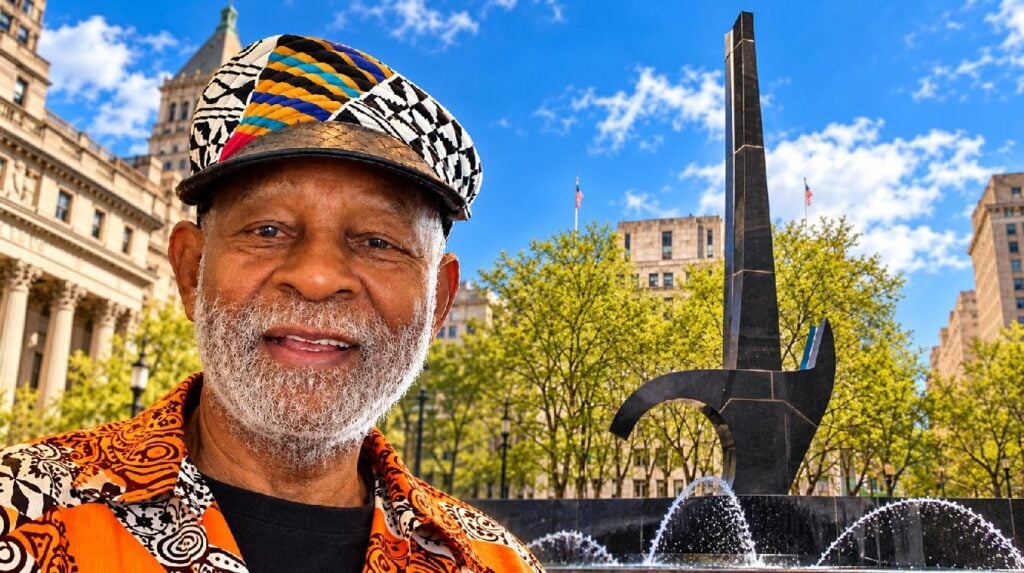
The result was “Triumph of the Human Spirit,” the towering black-granite sculpture installed in Foley Square in 2000. The five-story, 300-ton monument was commissioned by the New York City Department of Cultural Affairs and evokes both the Middle Passage and African cultural traditions.
Pace brought decades of artistic and academic experience to the project. He earned bachelor’s and master’s degrees from the School of the Art Institute of Chicago and a doctorate in art education from Illinois State University.
His career has included serving as director of the Montclair State University Art Gallery and teaching art in the University of Texas system. His sculptures, installations and performance art have also been exhibited internationally.
‘Jalani and the Lock’ Carries the Story Further
The ancestral lock also inspired Pace to reach children.
He recalled his daughter coming home after other children mocked her appearance, telling him they had criticized her nose, hair and skin color. Pace responded by writing a children’s story that connected identity with history.
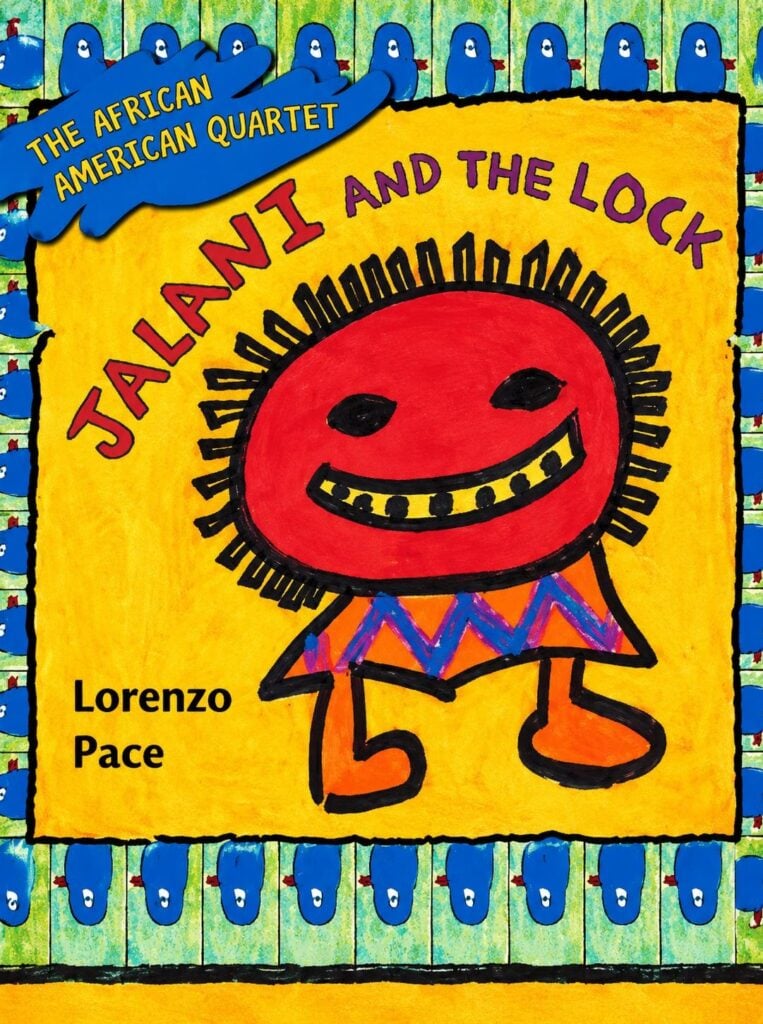
The resulting book, “Jalani and the Lock,” tells the story of a young boy taken from Africa and brought to America in chains.
Pace told EURweb that the work eventually expanded far beyond its original audience, inspiring performances and translations abroad. Productions connected to the story have reached audiences in Europe, Suriname, Senegal and the United States. For Pace, confronting slavery through art and education is difficult but necessary — particularly when younger generations are involved.
Pace Wants Foley Square Renamed ‘African Square’
Pace is now proposing another public acknowledgment of that history: renaming Foley Square as “African Square.”
He points to the extraordinary concentration of Black history surrounding the site, including the African Burial Ground, the Thurgood Marshall United States Courthouse and the David N. Dinkins Municipal Building.
“Our history is so connected to that area,” Pace told EURweb.
His proposal is not an announced city renaming plan. It is Pace’s call for New York to recognize more explicitly what the area represents.
He argues that the monument’s placement among courthouses and government buildings is particularly important because the history of enslaved Africans is inseparable from the development of New York and the nation.
“Our city is based on that free labor that our ancestors built,” Pace said.
New York Marks Triumph of the Human Spirit Day
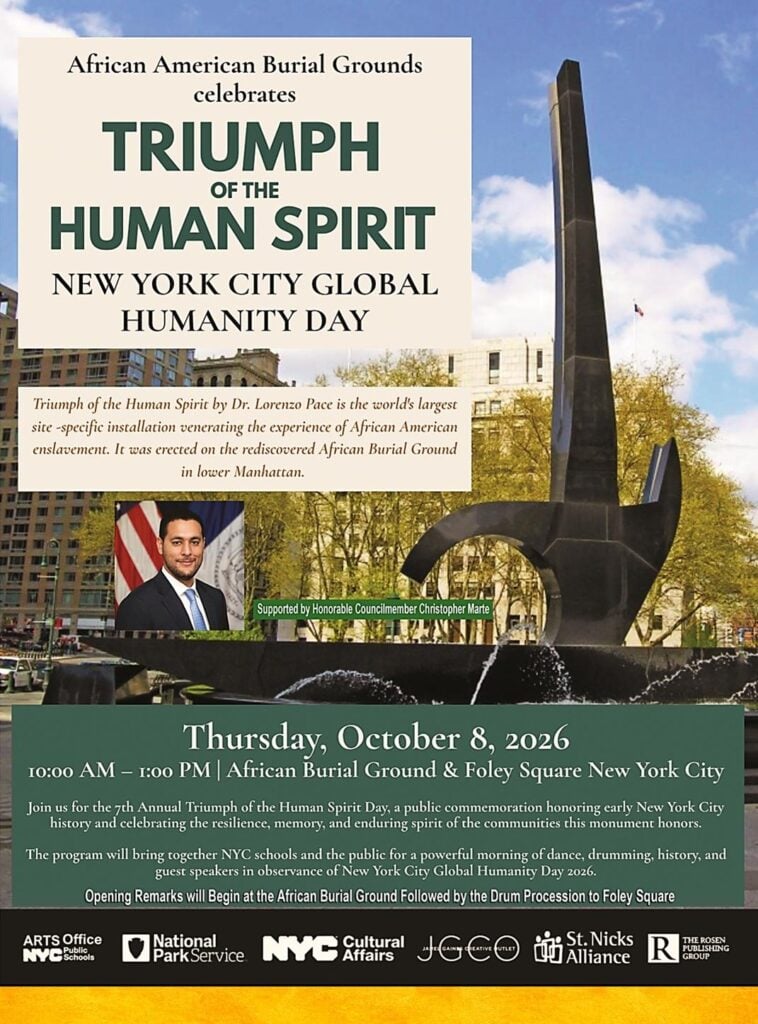
That history will be commemorated Thursday, Oct. 8, during the seventh annual Triumph of the Human Spirit Day, presented by the Triumph of the Human Spirit Committee and St. Nicks Alliance.
The free program runs from 10 a.m. to 1 p.m., beginning at the African Burial Ground National Monument at 290 Broadway before a drum procession moves to Pace’s monument in Foley Square.
Scheduled participants include Pace, Jamel Gaines Creative Outlet, New York City Council Member Christopher Marte, civil-rights attorney Norman Siegel, architect Rodney Leon, Columbia College Dean Josef Sorett and the Harlem School of the Arts. The program will also include drumming, dancing, singing and stilt walkers.
For Pace, however, the day ultimately comes back to remembrance.
He wants people to stand before the monument and recognize those whose labor and lives helped shape the country around them.
“Go there and give homage and give recognition,” Pace said. “It is really, really, really essential of our American economy, our American history, our American everything that relates to our ancestors.”
(If You Like/Appreciate This EURweb Story, Please SHARE it!)
RELATED NEWS ON EURWEB.COM: HAPPY 50TH BIRTHDAY, BLACK HISTORY MONTH: It Began as Negro History Week 100 Years Ago!
We Publish Breaking News 24/7. Don’t Miss Out! Sign up for our Free daily newsletter HERE.