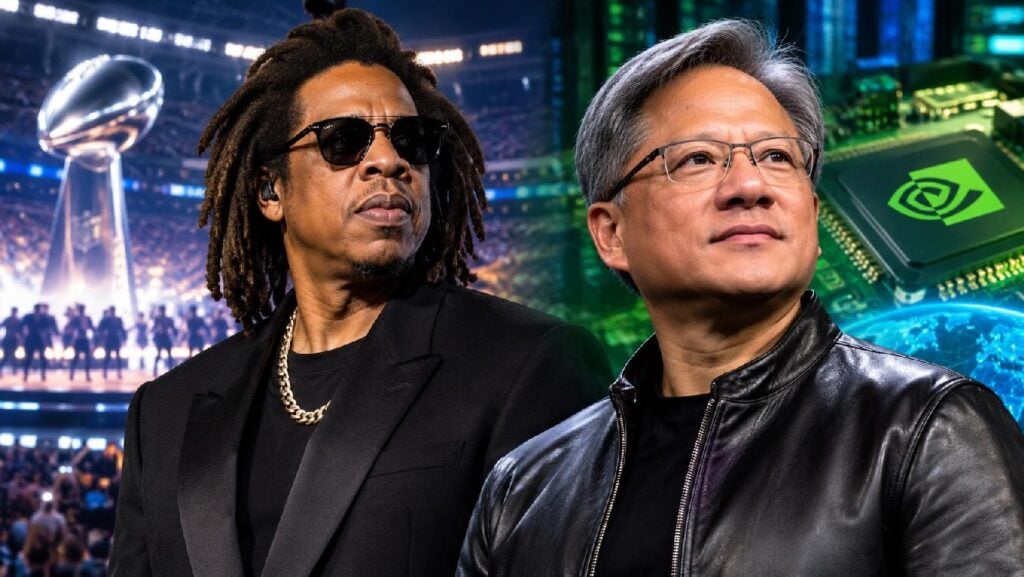
*Jay-Z is preparing to headline the Super Bowl halftime show, while Jensen Huang has abruptly exited Nvidia, the artificial intelligence powerhouse he helped create.
One spent years helping produce entertainment’s biggest stage before deciding to perform on it himself.
The other spent 33 years becoming practically inseparable from one of the world’s most valuable technology companies.
Both built extraordinary wealth and influence, but their contrasting circumstances reveal something more important than celebrity or corporate success.
Are you building an institution that can survive without you, or have you become the one person your business cannot afford to lose?
Scroll to continue reading








Jay-Z Built a Business Beyond the Spotlight
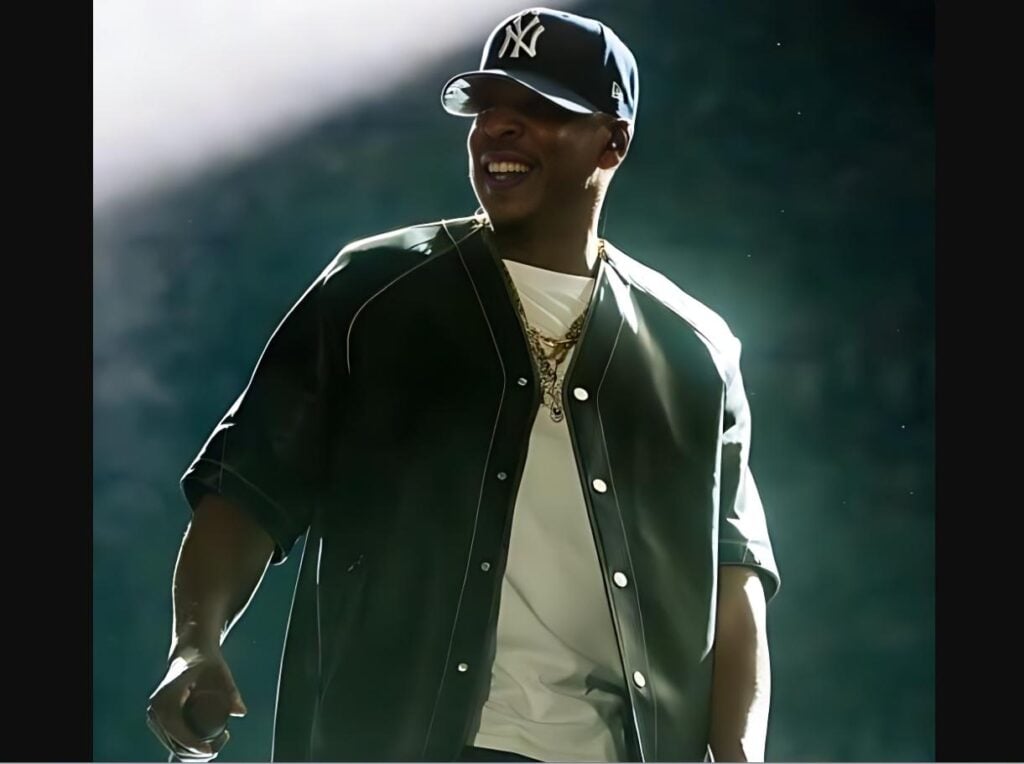
When Jay-Z headlines the Super Bowl on February 14, 2027, at SoFi Stadium in Inglewood, he’ll perform on a stage his own company helps produce.
Since 2019, Roc Nation has partnered with the NFL on the halftime show, helping deliver performances by Rihanna, Usher, Kendrick Lamar and other major artists.
But Jay-Z didn’t need to perform to benefit from that relationship.
His company was already participating in one of entertainment’s most valuable platforms, creating influence beyond record sales, concert tickets or individual appearances.
That’s the difference between getting paid to perform and helping shape the business behind the performance.
Of course, Roc Nation still benefits enormously from Jay-Z’s personal reputation and relationships. Whether the organization can maintain that influence without him remains an open question.
Nevertheless, his evolution from recording artist to entertainment executive illustrates the possibilities of building beyond personal celebrity.
There’s another wrinkle: As the company helping produce the halftime show, Roc Nation has influence over the very platform Jay-Z will now headline. That makes the performance both a personal milestone and a reminder of how much power his business relationships have accumulated.
Nvidia Faces Its Biggest Leadership Test
Nvidia now confronts the other side of founder-driven success.
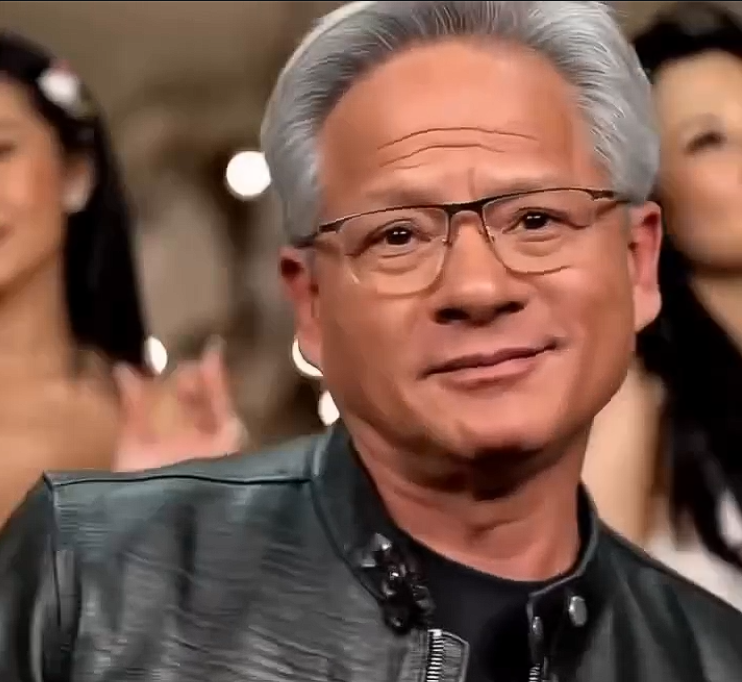
Huang resigned as CEO and director following reports of extramarital relationships, including one involving a woman U.S. officials reportedly suspect of connections to Chinese intelligence.
Those suspicions remain allegations, not established findings. The reporting does not establish that Huang disclosed company secrets or engaged in espionage.
The company appointed longtime chief financial officer Colette Kress as interim CEO and Harvey Jones as board chair.
The transition comes as Nvidia occupies a central position in the global AI economy.
Huang wasn’t simply its chief executive. He became its public identity, technological evangelist and most recognizable symbol.
Even his signature leather jacket became part of Nvidia’s corporate image.
But shareholders don’t invest in jackets. They invest in businesses expected to produce value regardless of who’s wearing one.
Nvidia’s leadership transition raises questions about succession planning, corporate governance and whether its extraordinary success can continue without its co-founder.
The company’s market turbulence underscores investor uncertainty, although short-term stock declines cannot establish its long-term prospects.
Its challenge is demonstrating that its technology, experienced executives and competitive advantages are bigger than any individual.
The Black Business Lesson: Build Something That Outlasts You
A November 13 commentary published by Hallway drew a provocative comparison between Jay-Z and Huang, highlighting the financial risks of businesses becoming inseparable from their founders.
For Black entrepreneurs and independent business owners, that argument deserves particular attention. Many businesses begin with one person’s vision, reputation, relationships and relentless determination.
The founder becomes the salesperson, chief strategist, problem solver and public face. That arrangement can generate extraordinary success. It can also create extraordinary vulnerability.
What happens when that founder retires, becomes ill, steps away or simply wants someone else to run the operation?
Can employees make decisions independently? Are critical relationships documented? Is there a succession plan? Can the business generate revenue without its founder personally opening every door?
Those aren’t questions reserved for billion-dollar corporations.
They matter to neighborhood businesses, independent publishers, family enterprises and Black-owned companies seeking generational wealth.
And succession planning isn’t necessarily about selling the company or surrendering control. It’s about creating systems, developing leadership and preserving institutional knowledge so the enterprise isn’t forced to start over whenever its founder steps aside.
Jay-Z’s evolution suggests the value of expanding personal influence into organizational partnerships. Huang’s departure illustrates the uncertainty that can accompany an unexpected leadership change.
Neither guarantees a particular outcome.
But together, they reinforce a principle too many entrepreneurs discover too late.
Building a successful business is an achievement. Building one that can succeed without you is a legacy.

(If You Like This EURweb Story, Please SHARE it!)
MORE NEWS ON EURWEB.COM: Essence Fest’s 2023 Lawsuit Against Black Business Owners is Haunting Them in 2026 | WATCH
We Publish Breaking News 24/7. Don’t Miss Out! Sign up for our Free daily newsletter HERE.