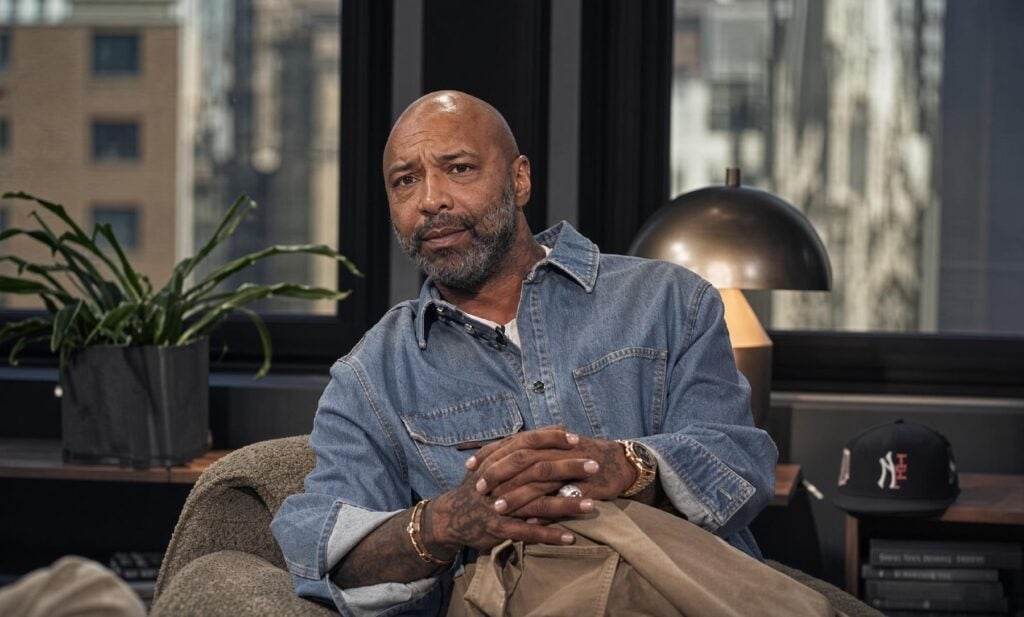
*“I remember going in Lyor’s office without anyone knowing and saying, ‘How are rappers making money?’ Because I’m not making any and I’m not seeing it.”
That’s Joe Budden, recalling the day he approached Def Jam executive Lyor Cohen because his recording career wasn’t adding up. The music was happening. The money? Not so much. In other words, the math wasn’t mathin’!
More than two decades later, the former “Pump It Up” rapper is negotiating deals as the owner of an independent media network.
His latest move is a multiyear licensing agreement with REVOLT, where “Joe Budden Network Presents” premieres November 13, bringing his programming back to television without surrendering ownership.
In conversations on “Built Different” and with GQ, Budden revisits the mistakes, business conflicts and decisions that transformed his career.
Scroll to continue reading






Joe Budden’s Def Jam Money Mystery
Budden signed with Def Jam in his early 20s, when a major-label deal was supposed to mean he’d made it.
He received an advance. Bought a Hummer. The money didn’t last.
During “Built Different,” Budden recalled asking Cohen how established artists supported themselves.
“It was inquisitive. Hey, I’m doing all the work. I’m doing what I’m supposed to be doing. I’m making the music. My album’s not coming out. How are artists living? How do they make money?”
Cohen introduced him to publishing deals, an income source Budden hadn’t understood.
Budden also discovered that his production-company arrangement complicated the flow of money between the label and artist.
Yet he doesn’t describe those experiences simply as exploitation.
“All of the yesterdays get me to my today. I’m so grateful for all of it,” he said.
When his major-label career stalled, Budden maintained his following through the independent “Mood Muzik” mixtape series, learning to reach audiences without depending entirely on a record company.
When Budden Admitted His Approach Wasn’t Working
By 2015, Budden had recording success, television exposure through “Love & Hip Hop” and a reputation for speaking his mind.
But his business strategy needed an overhaul.
Longtime business partner Ian Schwartzman recalled meeting Budden and hearing a surprising admission.
“My way doesn’t work anymore,” Budden told him.
Asked what brought him to that realization, Budden replied, “I was beaten to submission.”
He elaborated:
“Just enough of whatever I was doing, which was winging it. And a few years earlier before I met you, somebody I respected said to me, ‘No matter how great you are as an artist, you’re only as good as who you’re managed by.’ It stuck with me forever. It changed my life.”
Budden realized talent wasn’t enough. He needed people who understood his vision and could build a business around it.
Schwartzman helped guide his transition into digital media, including Complex’s “Everyday Struggle.”
The show attracted attention, but Budden departed amid disagreements over business terms.
Once again, success didn’t necessarily translate into control.
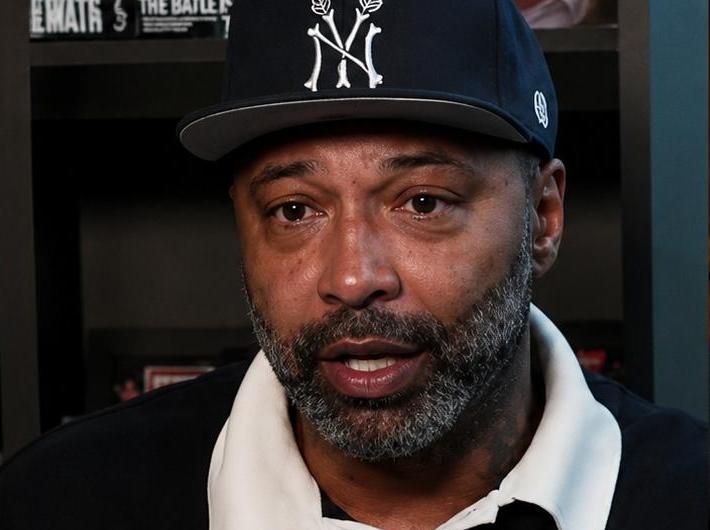
Why Joe Budden Started Saying No to Big Checks
Spotify signed Budden’s podcast to an exclusive agreement in 2018.
The partnership expanded his reach, but Budden declined to renew when it ended in 2020.
His next chapter included a Patreon partnership announced in 2021.
During “Built Different,” Budden and Schwartzman described an equity-oriented arrangement rather than a guaranteed upfront payment. Its precise financial terms haven’t been independently established.
For Budden, ownership had become the priority.
Near the end of the conversation, he offered his clearest statement about money and ambition:
“This is all a long-term play to me. I’m not here for short-term satisfaction or gratification. I’m not here for a quick check. I’m not here for a big check. I mean, you know, I’ve turned down big checks, blank checks.”
Quite a declaration from someone who once spent his recording advance and wondered where his next payment would come from.
In GQ’s November 13 profile, Budden emphasized his independence.
“I pride myself on being the owner, founder, COO,” he said.
His podcast remains the foundation, but Budden sees opportunities beyond one show.

REVOLT Deal Brings Joe Budden Full Circle
Budden’s latest partnership returns him to REVOLT, which previously aired his “State of the Culture” program.
The new agreement brings “Joe Budden Network Presents” to television Fridays at 10 p.m. ET, beginning November 13.
The first season includes 20 planned episodes, featuring material from “The Joe Budden Podcast,” “Pod Wives,” “The Ian and Marc Show” and other productions.
But here’s the distinction: REVOLT is licensing selected programming, not purchasing Budden’s shows or catalogs. Budden and his team retain ownership and creative control.
That’s a considerably different negotiating position from the one he occupied at Def Jam.
Budden also told GQ he no longer feels compelled to compete with every rapper who has launched a podcast.
“I no longer feel the need to explain the insane run of dominance,” he declared.
Confidence has never been in short supply where Joe Budden is concerned.
But for Black creators and independent media entrepreneurs, his journey raises a bigger question: What’s the value of building an audience if somebody else controls the business?
Budden has experienced both sides.
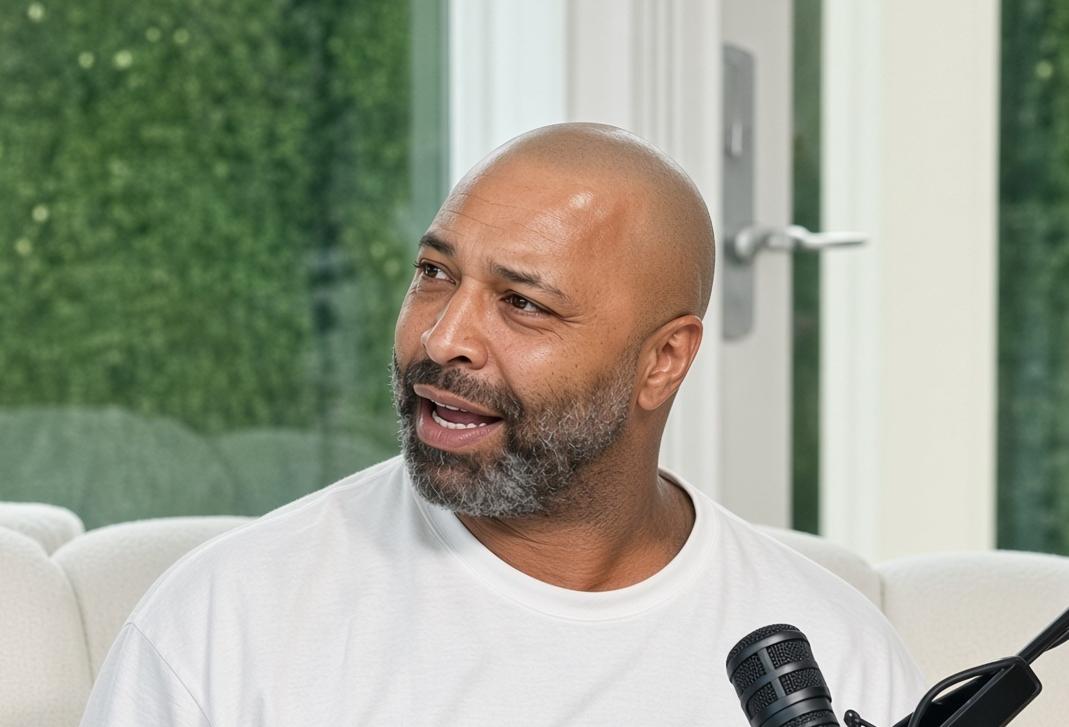
And the young rapper who once walked into Lyor Cohen’s office asking how artists make money is now deciding which companies get to distribute his work—and on what terms.
(If You Like This EURweb Story, Please SHARE it!)
MORE NEWS ON EURWEB.COM: Will Packer Says ‘Not Another Dime’ to FAMU – Launches Independent Alumni Fund | WATCH
We Publish Breaking News 24/7. Don’t Miss Out! Sign up for our Free daily newsletter HERE.