*Season 17 of AfroPoP: The Ultimate Cultural Exchange, co-produced by Black Public Media (BPM) and WORLD Channel, has recently launched. The new season boasts an impressive lineup of documentary and award-winning films that stir the senses and satisfy the soul. Two of the films featured are “Tongo Saa (Rising Up At Night)” and “Mother Suriname.”
The dangers facing people living near electric plants in Kinshasa, the capital city of the Democratic Republic of Congo, are the focus of Tongo Saa. The city, once known as Zaire (from 1971 to 1997), is where the government is planning to build a large hydroelectric power plant.
This effort to build the largest power plant in the Congo has plunged millions of people into darkness and insecurity. It’s heartbreaking to see so many lives affected in such a profound way, and the film’s title captures the gravity of this situation perfectly.
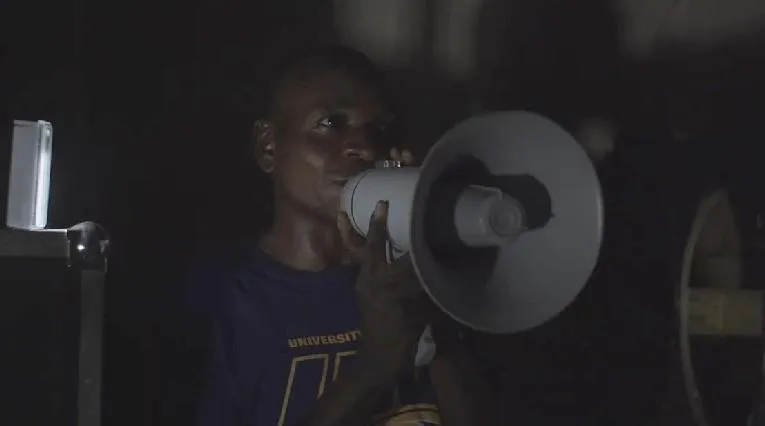
Tongo Saa means “just before dawn” in Lingala, a Bantu language widely spoken in the Democratic Republic of Congo, Africa’s second-largest country by land area.
Scroll to continue reading
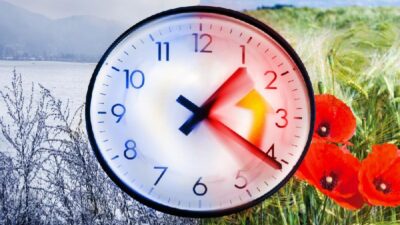

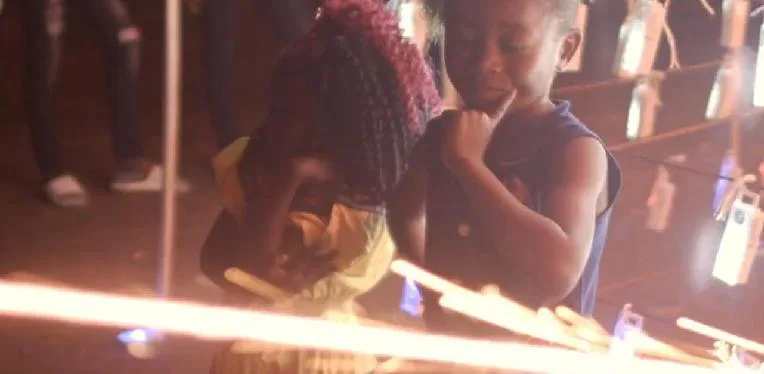
“It’s that fragile moment between darkness and light, when everything is still but something is progressively changing. It’s on that fine line that I placed both my gaze and my camera,” Nelson Makengo, the director of the documentary, revealed in an exclusive interview with EURweb.com.
The Central African country, for decades, has been in the grips of conflict spurred by ethnic tensions, political rivalries, corruption, and fighting for control of valuable natural resources.
“Life in the Democratic Republic of the Congo is a constant between hardship and beauty. Many people live without access to electricity, running water, or basic utilities. Survival often depends on creativity, solidarity, and profound inner resilience,” Makengo stated.
The award-winning Congolese documentary filmmaker says that what’s happening in the Democratic Republic of the Congo is not happening from a distance, explaining, “It is part of your daily life. The minerals that power your phones, your laptops, your electric cars, many of them come from Congolese soil, often mined in inhumane conditions.”
Makengo stresses that what is needed to make things better in his homeland is to have change there in various ways.
“We need a change, not only in aid or investment, but also in perception. The Democratic Republic of the Congo is rich in people, culture and resources, but the dominant system continues to exploit this wealth while excluding the Congolese from its benefits,” Makengo said.
The Congolese filmmaker and producer said he wants ethical leadership within his country and added, “We also need the global community, especially consumers and policymakers, to stop feeding the painful cycle of mining and silencing. Real change will come when Congolese voices are no longer sidelined, when we are no longer invented by others, but listened to for who we are with dignity and respect.”
Viewers are also invited to experience “Mother Suriname,” a poignant documentary feature by Tessa Leuwsha. Using colorized archival footage and heartfelt narration, this film pays a touching tribute to the director’s beloved grandmother, Fancelyne Cummings, as she navigates life in colonial Suriname, one of the smallest countries in South America. It gives a voice to the washerwoman and her peers, allowing their stories and struggles to resonate deeply. This documentary offers a poignant glimpse into the realities of Dutch colonialism and highlights the profound and lasting impact it has had on countless lives. It invites us to reflect on these experiences with compassion and understanding.
“I wanted to show that the marginalized people of Suriname under Dutch rule were not passive or docile, as they are often portrayed. They strove for better lives and actively worked to improve their circumstances,” Leuwsha told EURweb.com.
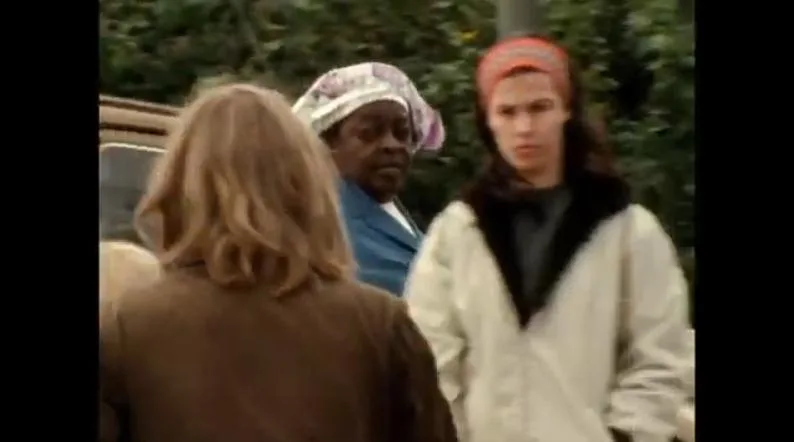
The Surinamese-Dutch writer expressed her deep desire to bring to light the stories of women who have often been overlooked in our historical narratives, highlighting their struggles and contributions with empathy and respect.
“My grandmother was raised by a woman who was born into slavery and was twelve years old when it was abolished. As Black women born into a society dominated by white men, they began life at a great disadvantage. Still, they managed to raise their children and help them seek out opportunities,” she said.
The Peabody Award-winning series is now streaming on pbs.org, WORLDchannel.org, the Black Public Media website, and YouTube.
By Tene Croom, Tene Croom | LinkedIn
MORE NEWS ON EURWEB.COM: Wait. He Can Act, Too?! DeVon Franklin Ignites the Screen in ‘Soul on Fire’ | VIDEO
We Publish Breaking News 24/7. Don’t Miss Out! Sign up for our Free daily newsletter HERE.