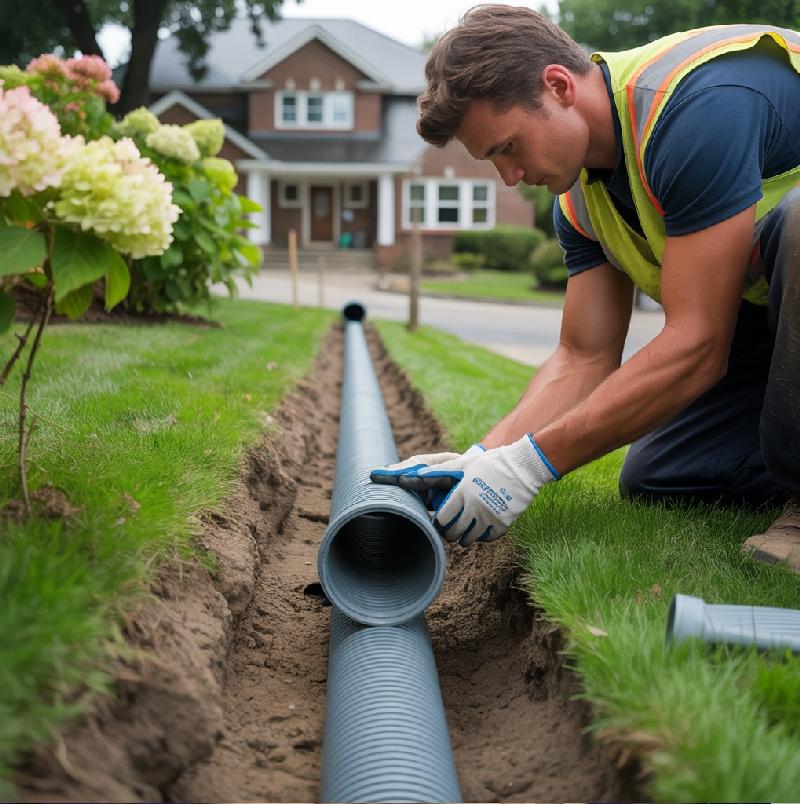
*If it rains a lot, your yard can quickly become a muddy mess, which could damage your property. To keep water from pooling and to protect your house, you need to install a good stormwater drainage system. For proper water flow and to protect your home from water damage, this blog will share the five best tips for installing stormwater drainage.
1. Understand Local Regulations and Permits
Before you begin the installation, make sure you have checked the restrictions that the community has regarding stormwater drainage. In some locations, permission is required to carry out work related to sewage. If you know these rules, you won’t be punished or have to redo the work.
Various regions have various regulations about how water should be handled. You must adhere to the precise instructions regarding the pipe sizes, the placement of the system, and the direction in which the water should flow.
2. Plan the Drainage System Layout
Before you dig, you should make a plan for the layout. Check out the land’s natural slope and the way water moves when it rains. This helps figure out where to put the lines, drains, and catch basins.
If you plan it right, water will flow away from houses and other structures. Think about how to keep the water moving easily so that it doesn’t pool or flood. Careful planning keeps mistakes from being expensive and makes sure the system works as it should.
Scroll to continue reading










3. Choose the Right Drainage Materials
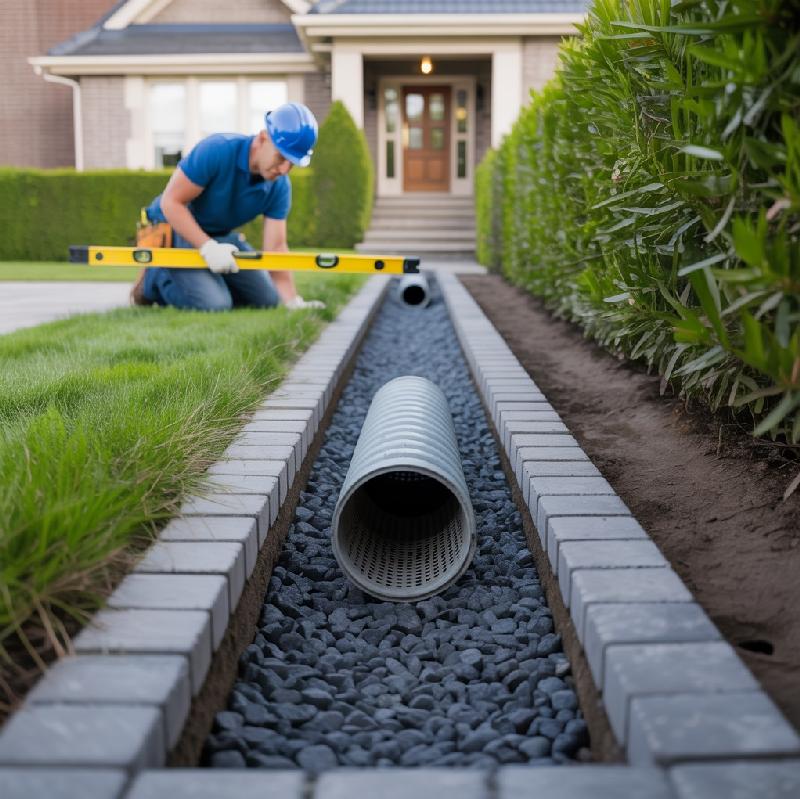
Choose the things that will work best for the site. For instance, pipes with holes in them work well in places that need to soak up more water. Solid pipes work well in places where water flows quickly.
This stuff needs to be strong enough to last through the weather. In the long run, it saves you money because good products last longer and need less upkeep.
4. Ensure Proper Slope for Efficient Flow
Ensure the drainage pipes have a slight slope to help the system operate correctly. Usually, a 1% to 2% slope will allow water to flow smoothly.
Too many flat lines will cause water to sit in them and back up or flood the home. Maintaining the slope at the proper level will help the system function properly and help to avoid these issues.
5. Maintain Drainage System Accessibility
Once the installation is complete, ensure that the system is easily accessible for future maintenance. Drain holes, catch basins, and lines should all be easy to get to. Improving accessibility makes cleaning up or solving problems easier. It can be hard and expensive to fix a system that is hard to get to.
Hire a Professional When Needed
Some people can save money by installing their own stormwater drainage systems, but they are very important for keeping your property safe from water damage. Consult an expert if you’re unsure about the design, materials, or installation.
For high-quality materials, like durable stormwater drainage grates, consider sourcing from trusted suppliers. If you buy good parts and get help from a professional, you can be sure that your drainage system will last for a long time.
MORE NEWS ON EURWEB.COM: Creators Dete Meserve and Michael Rabb Bring Imaginative Magic to ‘Not a Box’ Preschool Series on Apple TV+ | EUR Video Exclusive
We Publish Breaking News 24/7. Don’t Miss Out! Sign up for our Free daily newsletter HERE.