The Supreme Court’s Shadow Docket Decision
*Yesterday (09-08-25), Trump’s Supreme Court issued a 6-3 order in Noem v. Vasquez Perdomo, granting the Trump administration’s emergency request to pause a lower court’s block on immigration patrols. The unsigned ruling allows ICE and DHS agents to resume “roving patrols” and immigration stops in Los Angeles and surrounding counties, at least temporarily.
The case is not yet resolved on the merits, but the order immediately lifted restrictions put in place by a lower court. Justice Brett Kavanaugh concurred, saying plaintiffs likely lack standing and that the tactics do not violate the Fourth Amendment. Justice Sonia Sotomayor dissented, joined by Justices Elena Kagan and Ketanji Brown Jackson, calling the decision “unconscionably irreconcilable with our nation’s constitutional guarantees.”
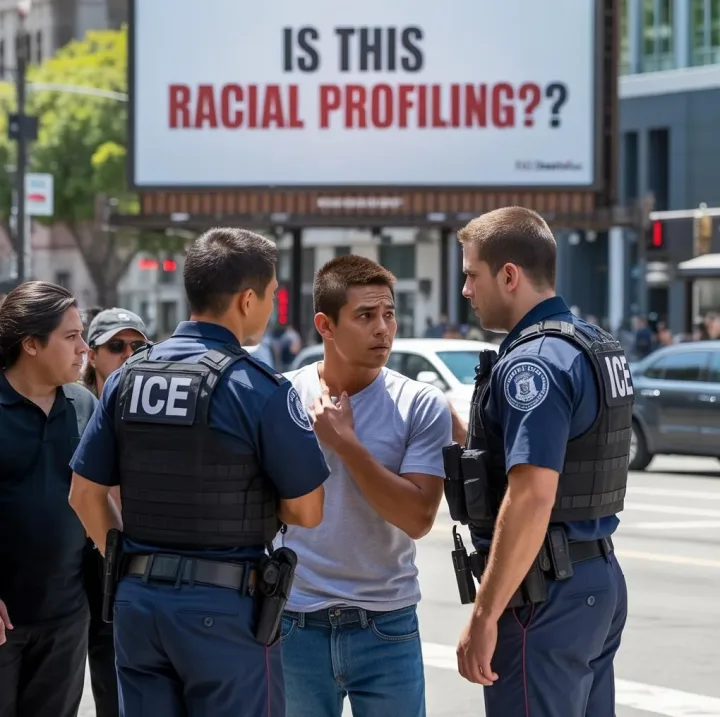
If you see this as racial profiling being authorized by the highest court in the land, we agree with you.
Background: How the Case Began
The dispute arose after DHS launched aggressive enforcement operations in June 2025, part of President Trump’s mass deportation plan targeting 2 million undocumented immigrants. By July, lawsuits were filed by U.S. citizens, workers, and groups like the ACLU of Southern California. They accused federal agents of racial profiling and unreasonable seizures during raids at Home Depot lots, bus stops, farms, and construction sites.
Scroll to continue reading







Plaintiffs said over 2,300 people were detained, including U.S. citizens and legal residents. Reports included injuries from tear gas, pepper spray, and K-9 deployments, along with cases of people “disappearing” into federal custody. Judge Maame Ewusi-Mensah Frimpong issued a temporary restraining order (TRO) on July 11, 2025, barring ICE from relying solely on race, language, job type, or location as reasons for stops. The Ninth Circuit upheld the TRO in August.
What the Supreme Court Ruling Allows
The Supreme Court’s stay reinstates federal authority for broader immigration stops. ICE agents can now detain and question individuals based on factors including ethnicity, language, job type, or presence in high-immigrant areas. While ethnicity “alone” cannot justify a stop, Kavanaugh wrote that it can be part of the “totality of circumstances.”
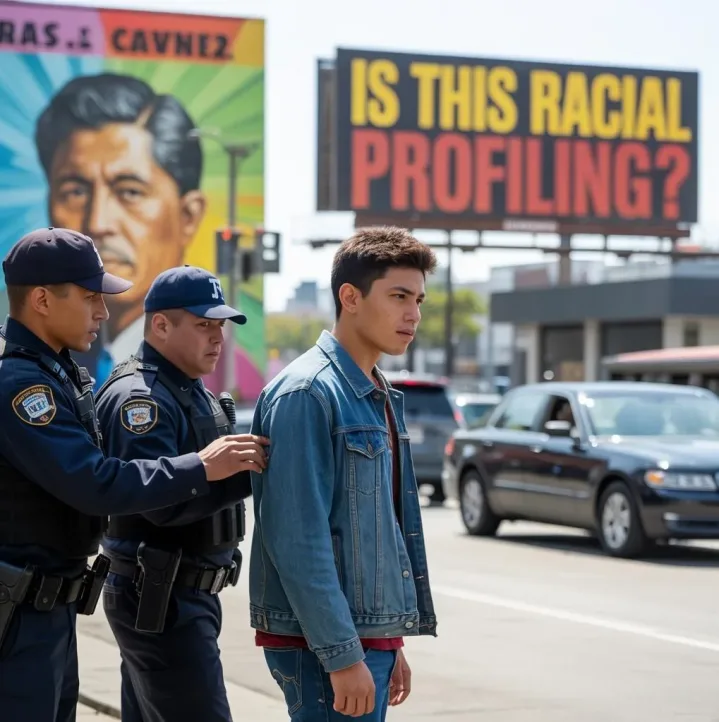
This distinction matters. Initial stops require “reasonable suspicion,” a lower bar than “probable cause” needed for arrests. Critics argue that by endorsing demographic factors, the Court has effectively legalized racial profiling, despite protections laid out in United States v. Brignoni-Ponce (1975). The ruling only applies to California’s Central District for now, but DHS has signaled plans to expand nationwide.
Impact on Communities
For immigrant communities in Los Angeles, the ruling has already created fear. Reports note parents skipping school drop-offs, workers avoiding job sites, and local businesses struggling with absent employees. Los Angeles Mayor Karen Bass called it “an attack on families,” while California Gov. Gavin Newsom blasted it as “racial terror.”
On the other hand, DHS officials celebrated the ruling. A spokesperson said it will help agents remove “murderers, rapists, gang members, and other criminal illegal aliens,” while minimizing harm to U.S. citizens by releasing them quickly if mistakenly detained.
Reactions and Political Divide
- Civil Rights Advocates: The ACLU called the decision a “devastating blow” that greenlights racial profiling. Sotomayor’s dissent warned that the government can now seize people based on “appearance, language, or occupation.”
- Trump Administration: Officials say the ruling restores lawful enforcement powers in a region with millions of undocumented immigrants. They frame it as a necessary step for public safety.
- Community Leaders: Local organizations warn of destabilization, from children missing school to workers losing income. Many vow to continue fighting in court for a preliminary injunction.
Looking Ahead
The Supreme Court’s ruling is temporary. The case will return to the appeals process, and a full decision could take months or years. Meanwhile, a separate challenge to Trump’s deployment of National Guard troops in Los Angeles is ongoing under the Posse Comitatus Act. For now, the stay marks a sharp turn in immigration enforcement—one that critics say blurs the line between legal suspicion and racial profiling.
MORE NEWS ON EURWEB.COM: Michigan Man Charged in Brutal Stabbing Deaths of Sister and Nephew
We Publish Breaking News 24/7. Don’t Miss Out! Sign up for our Free daily newsletter HERE.