*It’s a shame Tito Jackson’s recent passing didn’t receive more national TV news coverage. That second assassination attempt on Trump robbed a member of an iconic and influential pop group of the media coverage he deserved.
This happens in the media when one major news story is deemed more significant than another. Actress Farrah Fawcett passed away on the morning of June 25, 2009. Not many folks remember that because later that day, Michael Jackson, Tito’s brother, died.
That same week, North Korea suggested it might attack the U.S. The communist regime’s empty rhetoric was drowned out by America playing the King of Pop’s catalog 24/7.
But while TV news treated Tito like a journalistic “In OTHER news,” social media hasn’t disappointed me. The tributes to Tito—photos, videos, memes—have been no less than heartwarming.
Because Tito’s death was several news cycles ago, some figure I should have moved on by now. Well, I haven’t. For me and a legion of Jackson 5 fans, this is not a news cycle thing. This is an emotional and familial loss.

When I was a kid in the ‘60s, the Beatles‘ music changed my life. I loved the Cowsills sibling kid act and the persona (if not the music) of David Cassidy from the fictional Partridge Family, the TV show the Cowsill family inspired. And, of course, I lived for the soul of giants like James Brown, Stevie Wonder, and the Temptations. But all these entertainers were either white and/or grown-ups. The Jackson boys were the first act to come along in my young life who were my age and looked like me.
Scroll to continue reading







Their unprecedented success—consecutive number-one hit singles, appearances on all the era’s top-rated primetime TV variety shows, their Saturday morning cartoon, TV specials, a summer TV series, and sold-out concerts—were all points of cultural pride. To millions of us, the Jacksons became family.
And to think, that phenomenal success and all that comes with it may not have happened without Tito.
It’s a true story of mythical proportions: Back in Gary, Indiana, a ten-year-old Toriano Adaryll “Tito” Jackson, disobeys “Papa” Joe Jackson’s orders to keep his hands off dad’s guitar in the closet. Every day, while Papa is away tolling at the steel mill, Tito sneaks the guitar out and plays it until one day, he breaks a string on the instrument.
An incensed Mr. Jackson, who was once in a band, discovers the broken string and chastises a remorseful Tito. After Joe replaces the string, he challenges Tito to show him if he can actually play the thing. To Joe’s bemusement, Tito can do a little somethin’.
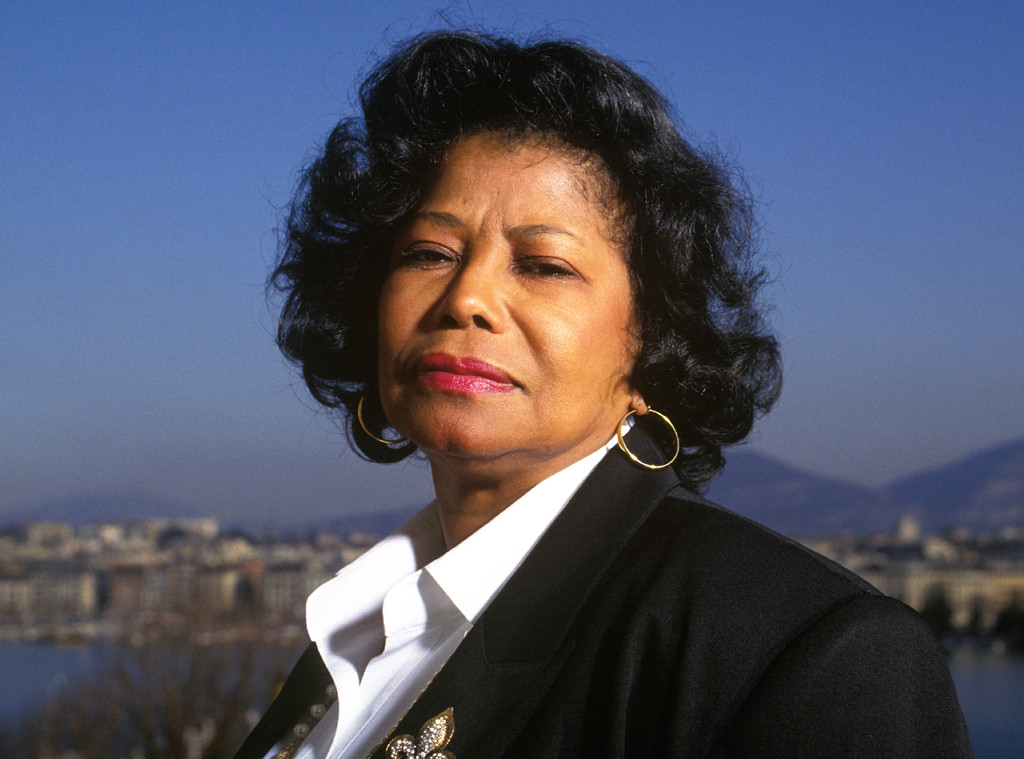
Mrs. Jackson informs Joe that the boys have been harmonizing with songs on the radio and sound pretty good. The discovery of Tito’s playing and the boys singing produces a mega-watt lightbulb over Papa Joe’s head.
Were it not for Tito’s childhood defiance, gnawing curiosity, and innate desire to get at Joe’s guitar, the world might never have known the Jackson 5 or Michael Jackson.
I first met Tito in Oklahoma City in October 1972. I was 16 years old, he was two years older, and we both had birthdays that month. On tour, the Jackson 5 were in town to perform at the Myriad Convention Center downtown.
That afternoon of the show, my friend Donnie Minnis and I, to our amazement, successfully made our way into the 13,000-seat arena, echo-empty but for the J5 onstage. In street clothes and backed by keyboardist Ronnie Rancifer and drummer Johnny Jackson (no relation), the group was in the middle of rehearsing the just-released single“ from their Motown album Skywriter, “Hallelujah Day.”
We nonchalantly took seats a few rows from the stage as if we belonged there and watched the proceedings until the building manager asked us to leave.
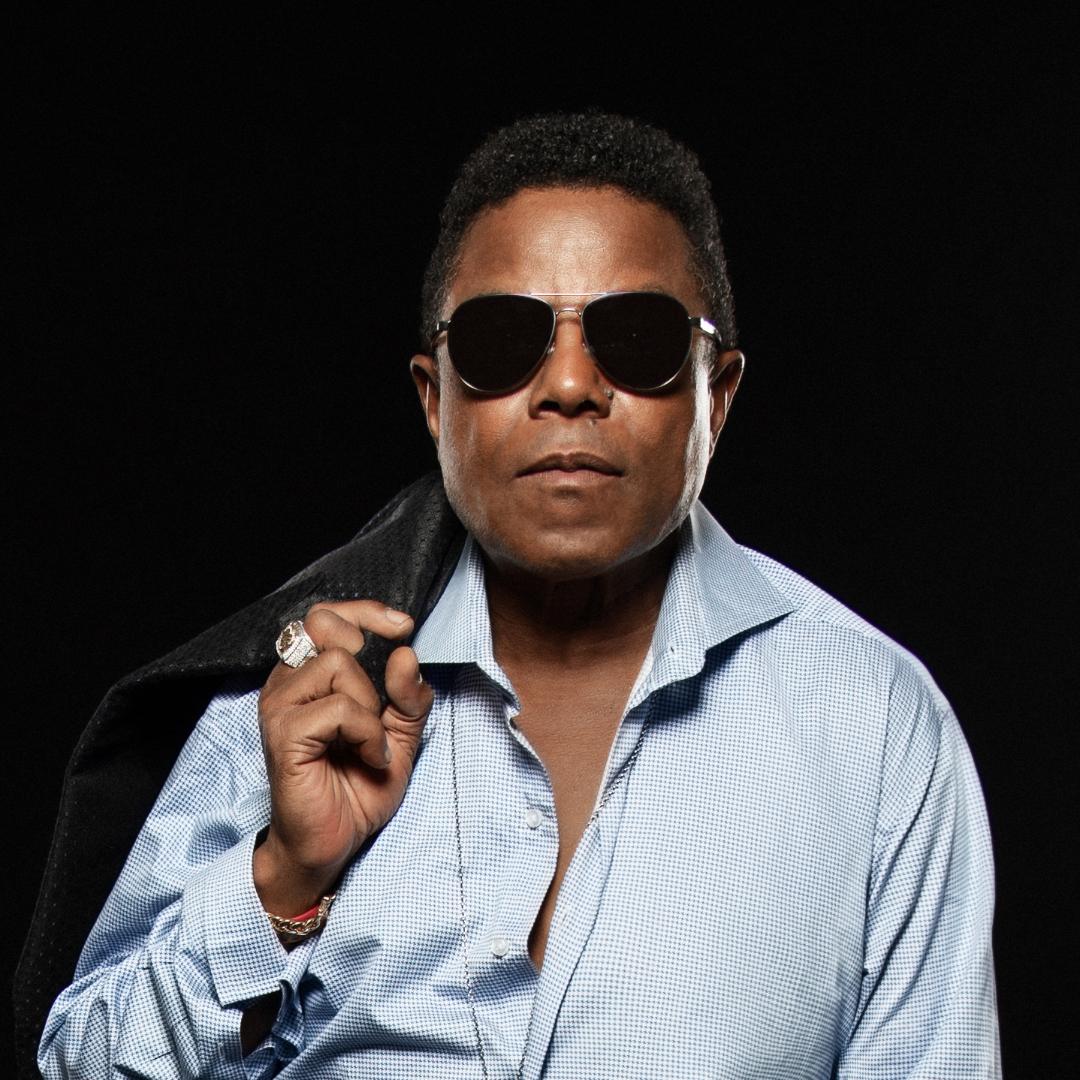
Tito was placid beyond his years in dark aviator shades, strumming, to my mild disenchantment, a white Telecaster guitar instead of the big red Gibson ES-335 he had used since the J5’s national debut. Dangling from the corner of his mouth as he played was a…cigarette. (Tito smokes? Where in Right On! magazine does it say Tito smokes?)
When we chatted briefly with the guys, I met the same Tito I’d come to know in Los Angeles years after becoming a journalist. Humble and considerate, the emerging adult exhibited the patience of a grown-up as he tolerated two nervous, excited strangers. The Tito I cordially knew in L.A. was the most regular person a superstar could be. He was a father of three boys, living a normal life despite his remarkable circumstances.
Even his passing, though tragic, was “normal.” There was nothing weird or mysterious about it. A cigarette smoker for years and decidedly overweight, Tito probably indulged in more fast food than is prudent. On September 15th, he and two friends were driving through Gallup, New Mexico, on a road trip headed to Oklahoma, where Tito bought property in tiny Claremore, when, at the age of 70, he suffered what has been described as a heart attack.
You don’t have to spend much time with people you know to miss them when they’re gone. Just knowing they’re here can be enough. I’ve asked myself why my grief regarding Tito’s passing is so strong. I figured it out: The Jackson 5, including Tito, was a significant part of my teenage joy. I know more about the J5 than I know about some blood relatives. The idea of a Jackson relocating to, of all places, Oklahoma, my home state where I met the brothers decades earlier, conjured a heavy dose of sentimentality.
Most importantly, Tito’s sudden departure has given us yet another nagging reminder of our mortality. Ignore the fact all you want, but time and good health are the most precious things we have in this life. Let’s not take either for granted.
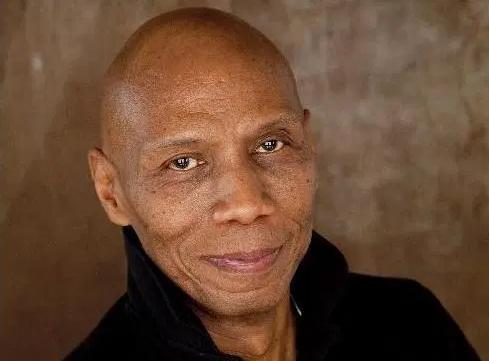
Steven Ivory, veteran journalist, essayist, and author, writes about popular culture for magazines, newspapers, radio, TV, and the Internet. Respond to him via [email protected]