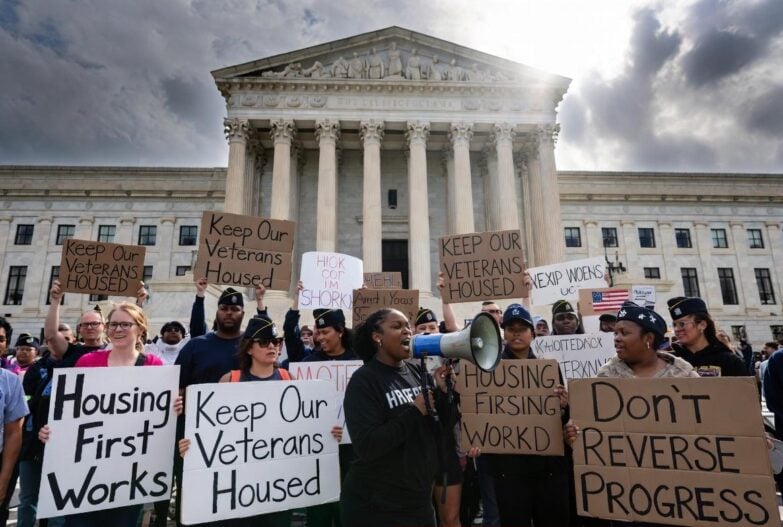
*A policy shift brewing within the Trump administration has housing advocates on high alert. A new proposal from the Department of Housing and Urban Development (HUD) could force tens of thousands of formerly homeless individuals—including a significant number of veterans—out of permanent supportive housing and back into uncertainty.
The plan seeks to redirect federal funding away from long-term permanent supportive housing models toward shorter-term transitional programs, which often come with strings attached, such as work requirements or mandatory treatment. While the administration frames the move as a push for accountability and self-sufficiency, critics warn that it threatens to undo decades of progress in the fight against homelessness, CNN reports.
If implemented, the plan could result in the loss of housing for an estimated 170,000 formerly homeless people nationwide. Among the most vulnerable are veterans—a group that has seen historic reductions in homelessness over the past decade and a half.
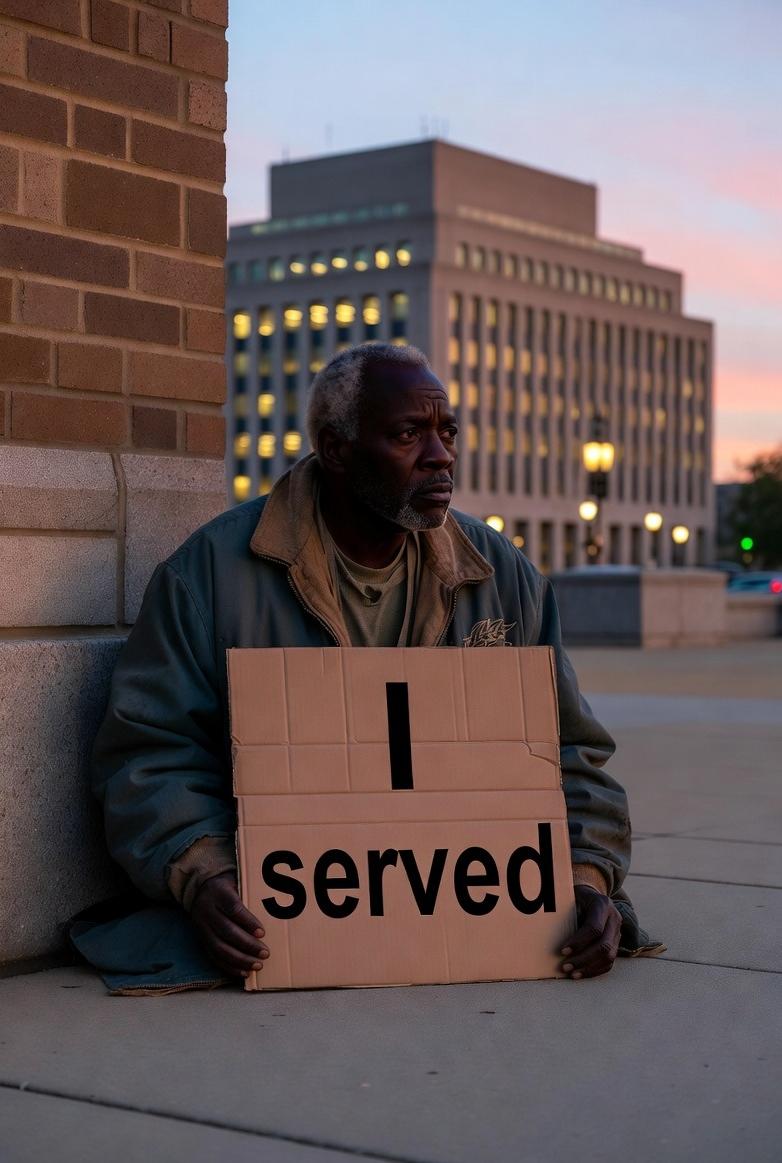
A Setback for Veterans Who Have Already Served
The numbers tell a story of hard-won progress. According to the latest Point-in-Time count from January 2024, veteran homelessness had dropped to 32,882 on a single night—the lowest figure since the Department of Housing and Urban Development began tracking it in 2009. That represents a 55.6% decline since 2010, driven largely by evidence-based programs like HUD-VASH, which pairs housing vouchers with VA support services.
But under the new proposal, facilities that house veterans could face immediate upheaval. At Alpha Omega Veterans Services, a nonprofit facility in California, more than two dozen veterans are at risk of eviction if the plan moves forward. Similar scenarios could play out at supportive housing sites across the country, many of which rely on federal dollars to keep roofs over the heads of those who once served.
Critics argue that shifting veterans out of stable housing and into conditional programs ignores what research has consistently shown: people need a safe place to live before they can effectively address mental health challenges, substance use, or unemployment.
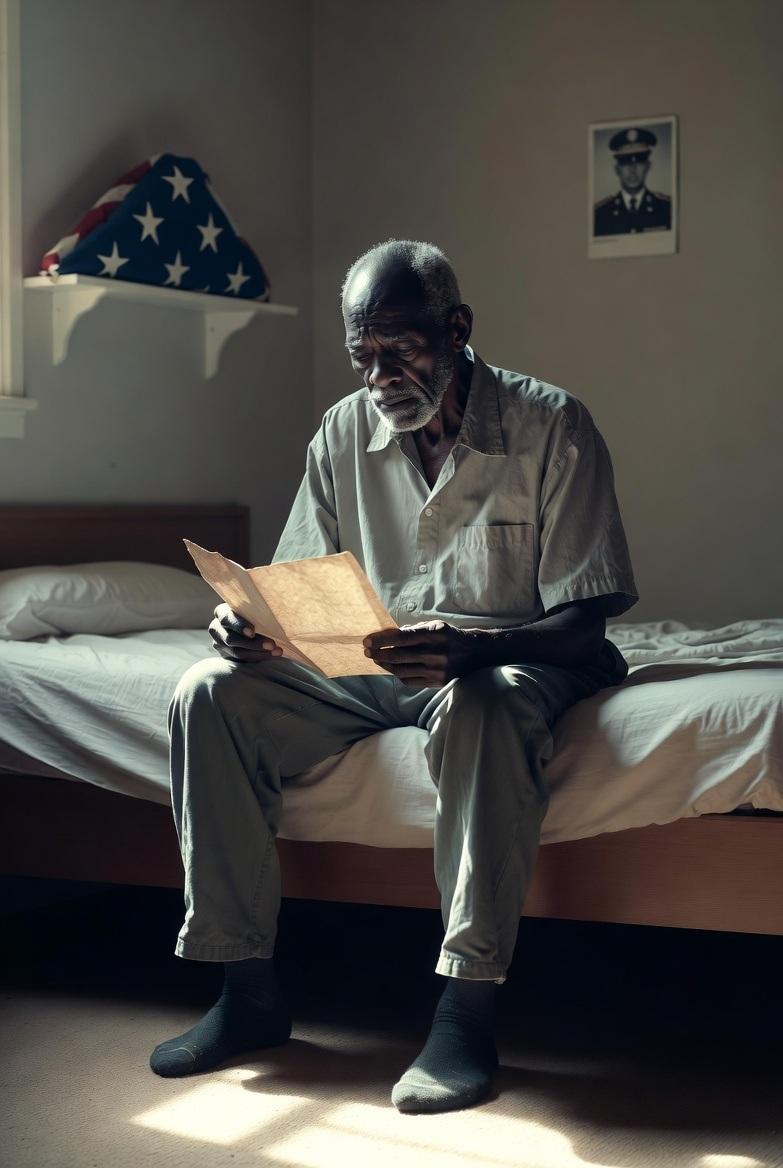
The Battle Over ‘Housing First’
At the center of the controversy is a philosophical divide over how best to address chronic homelessness.
The current model—known as Housing First—prioritizes getting people into stable, permanent housing without preconditions. Support services like job training, mental health care, and addiction counseling are offered alongside, but not required as a condition of keeping a roof overhead. Decades of data show this approach reduces long-term homelessness, lowers emergency room visits, and saves taxpayer money over time.
The Trump administration’s proposal would steer funding back toward transitional programs that require participants to meet certain benchmarks—such as sobriety or employment—before being eligible for long-term housing. Supporters argue this encourages personal responsibility. Opponents call it a recipe for destabilization.
“You can’t require someone to get sober or find a job before they have a safe place to sleep,” one housing advocate noted in response to the proposal. “That’s not how recovery works.”
The plan has already sparked lawsuits, with plaintiffs arguing that the proposed changes violate existing federal agreements and would reverse years of bipartisan progress. Advocates also point to the disproportionate impact on Black veterans, who make up roughly one-third of the homeless veteran population despite representing a much smaller share of veterans overall.
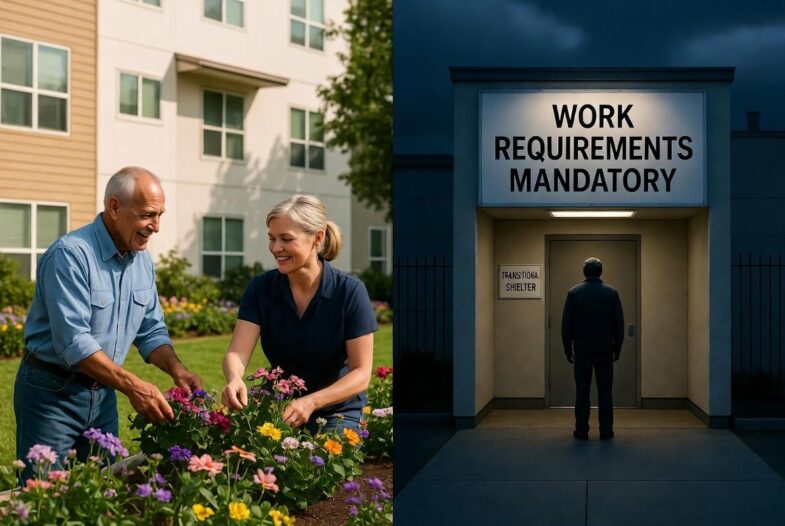
What Happens Next
As legal challenges move through the courts, thousands of formerly homeless individuals—including veterans who have already fought one battle for their country—are left waiting to find out if they’ll be asked to fight another just to keep a roof over their heads.
For now, housing providers are bracing for the worst while hoping the courts will intervene. But with the administration framing the shift as part of a broader push for fiscal responsibility and accountability, the fight over how America houses its most vulnerable citizens is far from over.
What do you think about shifting from permanent supportive housing to transitional programs? Share your thoughts below.
(If You Like/Appreciate This EURweb Story, Please SHARE it!)
MORE NEWS ON EURWEB.COM: Walmart Digital Price Tags Coming to All U.S. Stores in 2026
We Publish Breaking News 24/7. Don’t Miss Out! Sign up for our Free daily newsletter HERE.