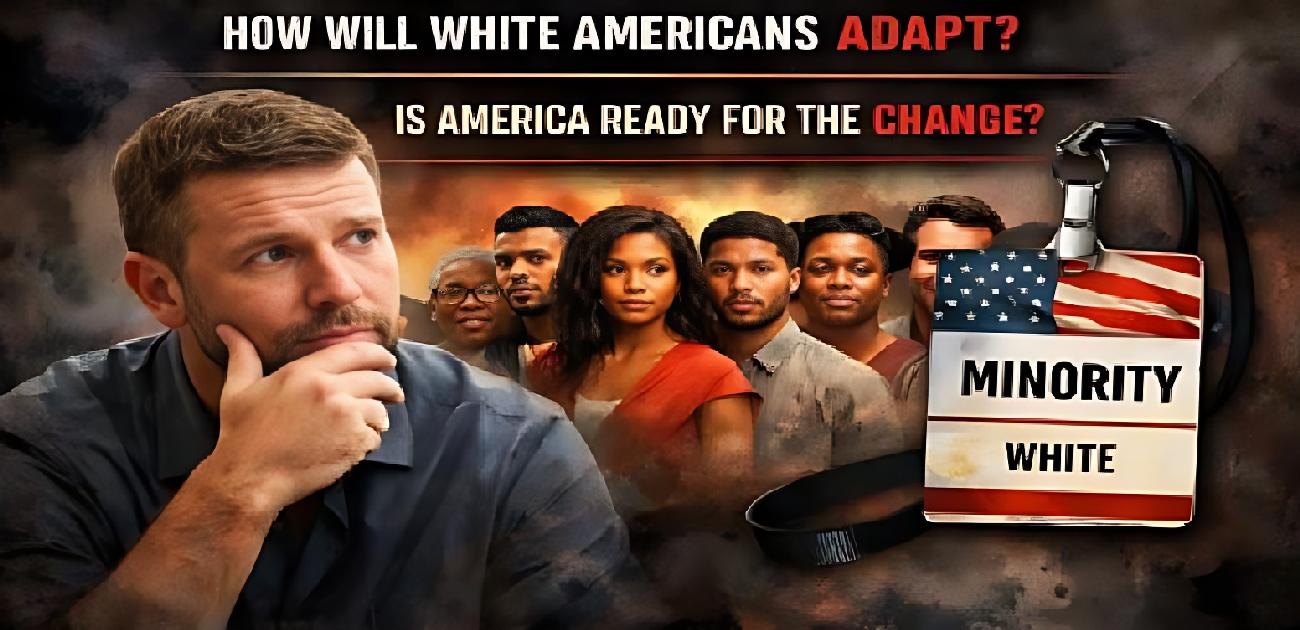
*This is not a matter of opinion—it is a matter of fact.
Geographically, biologically, anatomically, and generationally, the United States is undergoing a profound demographic transformation. According to projections from the U.S. Census Bureau, non-Hispanic white Americans are expected to fall below 50% of the total population by approximately 2045. In simple terms, within the next 20 to 25 years, white Americans—descendants of European settlers who have long been the numerical majority—will become one group among many in a multicultural nation.
This shift is not sudden. It has been building for decades.
Lower birth rates among white Americans, an aging population, and higher growth rates among other racial and ethnic groups are all contributing factors. The trend is already visible among the youngest Americans. As of 2020, minorities under the age of 18 outnumber white children. Generation Z is projected to be the last majority-white generation in U.S. history. In states like California and Texas—and soon Florida—white populations are already no longer the majority. In many cities, that transition happened long ago.
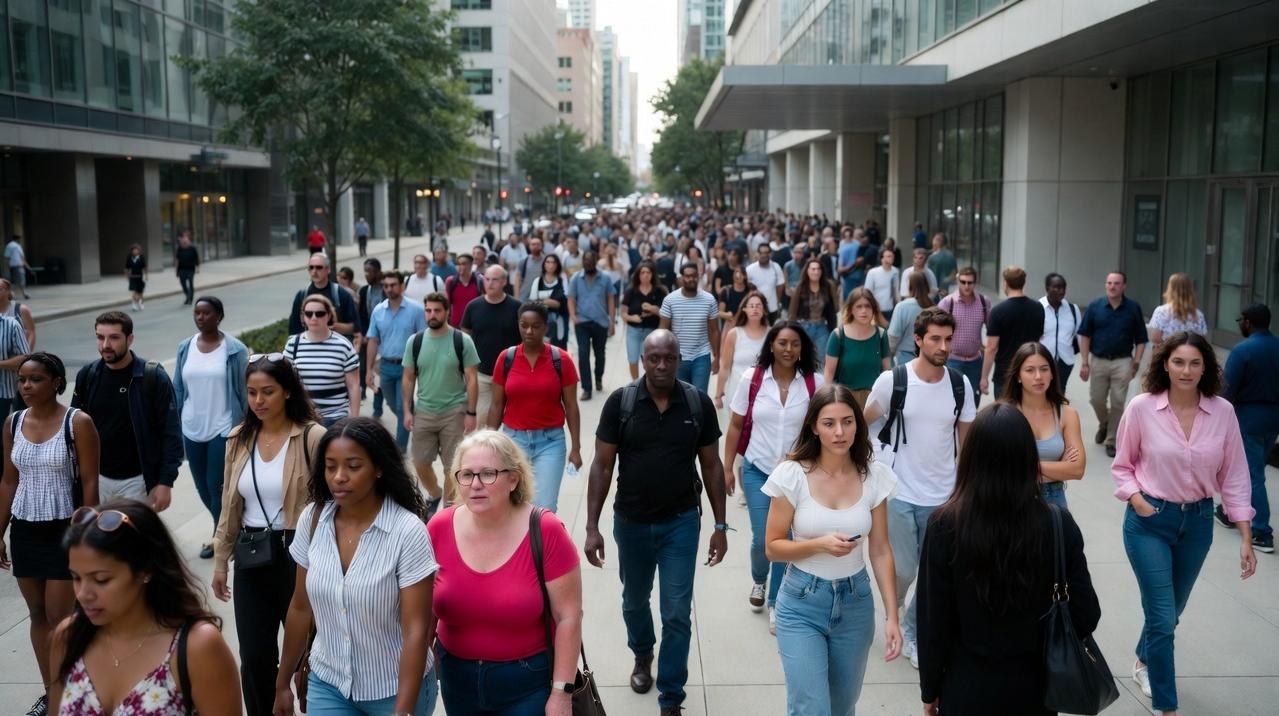
The question is no longer if this shift will happen.
The real question is: What happens next?
Scroll to continue reading





For some, especially within certain political and cultural spaces, this demographic reality has triggered anxiety—even fear. There are narratives about “replacement,” about losing control, about a nation being taken over. Without politicizing this moment, we must acknowledge that some of these fears are rooted in both truth and distortion.
Yes, America is becoming more ethnically and racially diverse.
But no, diversity does not equal displacement.
What is actually emerging is not a takeover, but a transformation—a blending. A new America shaped not by one dominant group, but by many intersecting identities. The rise of multiracial Americans, the increase in interracial marriages, and the growing number of individuals who do not fit neatly into one racial category all point to a future where traditional racial lines are less rigid.
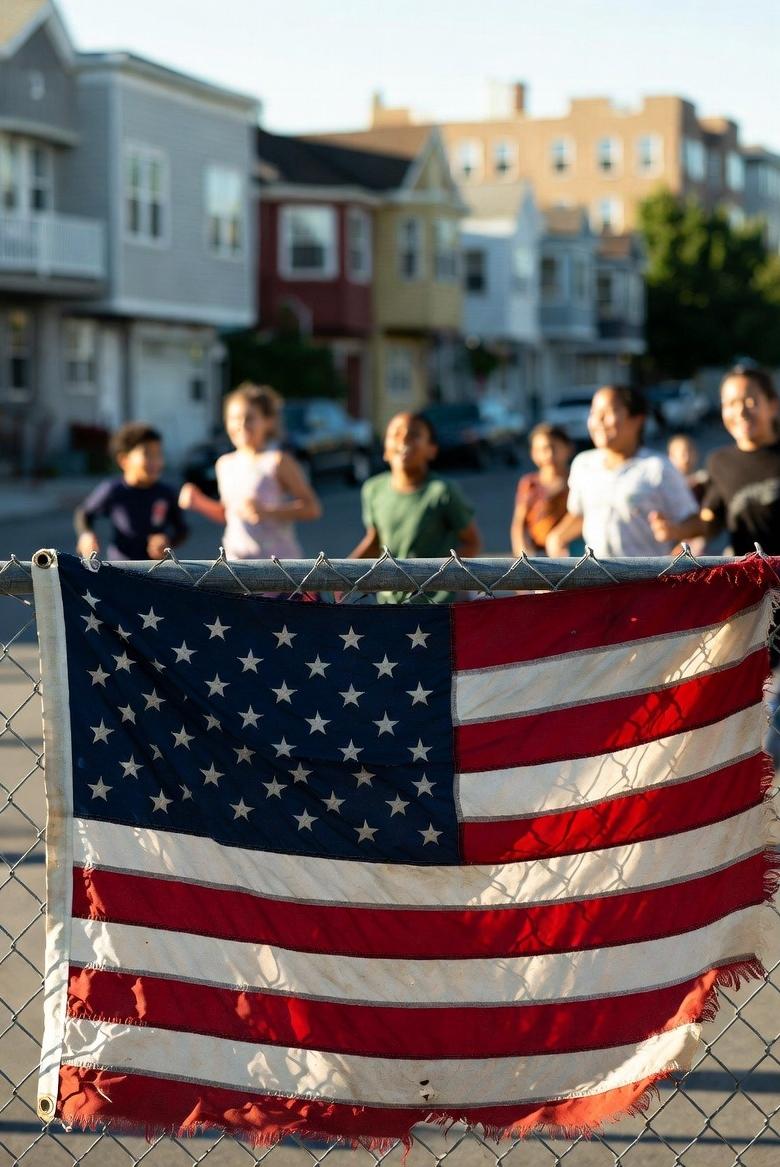
Scripture reminds us in Acts 17:26 that God “hath made of one blood all nations of men.” That truth disrupts the illusion of racial purity. The idea that any group is “fully” one thing, untouched by mixture, is more myth than reality. We are all, in some way, connected—biologically and historically.
So, when we speak of “White America 2.0,” we are not speaking of extinction. We are speaking of evolution.
Yet, there is another layer to this conversation—one that cannot be ignored.
Some of the fear surrounding this demographic shift stems from a deeper question: If the roles were reversed, what would happen? In other words, if historically marginalized groups become the numerical majority, will they replicate the same systems of exclusion, discrimination, and inequality that once defined American history?

This is the unspoken tension.
For generations, Black Americans, Latinos, Native Americans, and others have lived with the realities of discrimination—in employment, housing, education, and opportunity. Now, as the country changes, some white Americans are beginning to imagine what it might feel like to be on the other side of that equation.
That concern is not entirely irrational—it is human. But it also reflects a misunderstanding of where we are headed.
Because the future of America is not simply about flipping power—it is about redefining it.
The Bible speaks clearly in Galatians 3:28: “There is neither Jew nor Greek… for ye are all one in Christ Jesus.” This is not a call to ignore identity, but a reminder that identity should not determine worth. The challenge before us is not to erase difference, but to ensure that difference does not lead to division.
Still, we must be honest. Race will continue to matter.
There will still be moments of discrimination—against Black Americans, against white Americans, against Asians, Latinos, and others. There will be political appeals rooted in race. There will be organizations and institutions that align themselves, formally or informally, along racial lines. Social media will continue to amplify division for attention and profit.
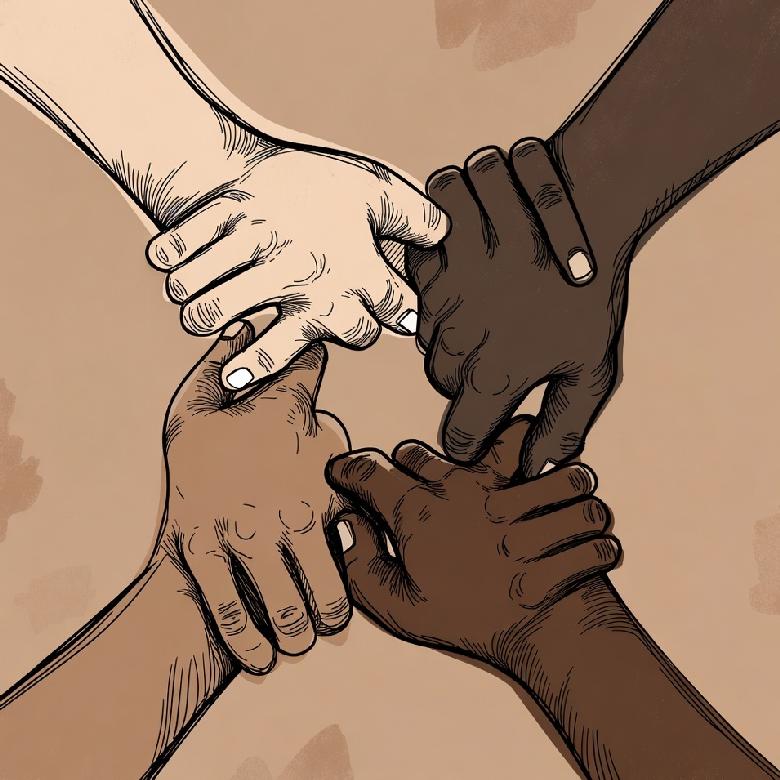
But there is also another path.
A more sustainable path.
One rooted not in collective fear, but in individual dignity.
Historically, the most effective strategies for marginalized groups have not been rooted in exclusion, but in inclusion—fighting for rights as individuals, emphasizing shared humanity, and breaking down barriers rather than reinforcing them. From civil rights movements to desegregation efforts, the goal was not domination, but equality.
That lesson matters now more than ever.
Because as white Americans transition into minority status, the temptation will be to respond collectively—with fear, with resistance, with political consolidation. But the healthier approach—for the country as a whole—is individual: to compete, to collaborate, to integrate, and to trust in shared systems of fairness.
At the same time, those from historically marginalized communities must also resist the urge to mirror past injustices. Justice cannot become selective. Equity cannot become revenge.
Scripture reminds us in James 2:1 to “have not the faith… with respect of persons.” In other words, favoritism—based on race or any other external factor—undermines the very foundation of justice.
And yet, if we are honest, much of what we believe about race has been shaped by incomplete narratives.
As a child and early teenager in the 1980s, I remember how Africa was portrayed on television—famine, poverty, tribal conflict, apartheid, disease, and danger. Rarely did we see innovation, wealth, civilization, or cultural excellence. That distortion shaped perception—not just about Africa, but about identity itself.

The same principle applies here.
What we believe about each other—about who belongs, who leads, who deserves—is often shaped more by narrative than by truth.
And the truth is this: America has never been static. It has always been evolving.
The emergence of a multiracial “mainstream,” as some sociologists suggest, may ultimately reduce the intensity of racial divisions. Not eliminate them—but soften them. Blur them. Humanize them.
Because when people build relationships across difference—friendships, families, communities—race becomes less of a barrier and more of a detail.
Not irrelevant. But not defining.
So, as we approach this new demographic reality, the question is not whether white Americans will become a minority.
They will.
The real question is whether America, as a whole, is mature enough to handle what that means.
Can we build trust where there has been suspicion?
Can we create opportunity without exclusion?
Can we move forward without repeating the past?
Because in the end, this is not about white America, Black America, or any single group.
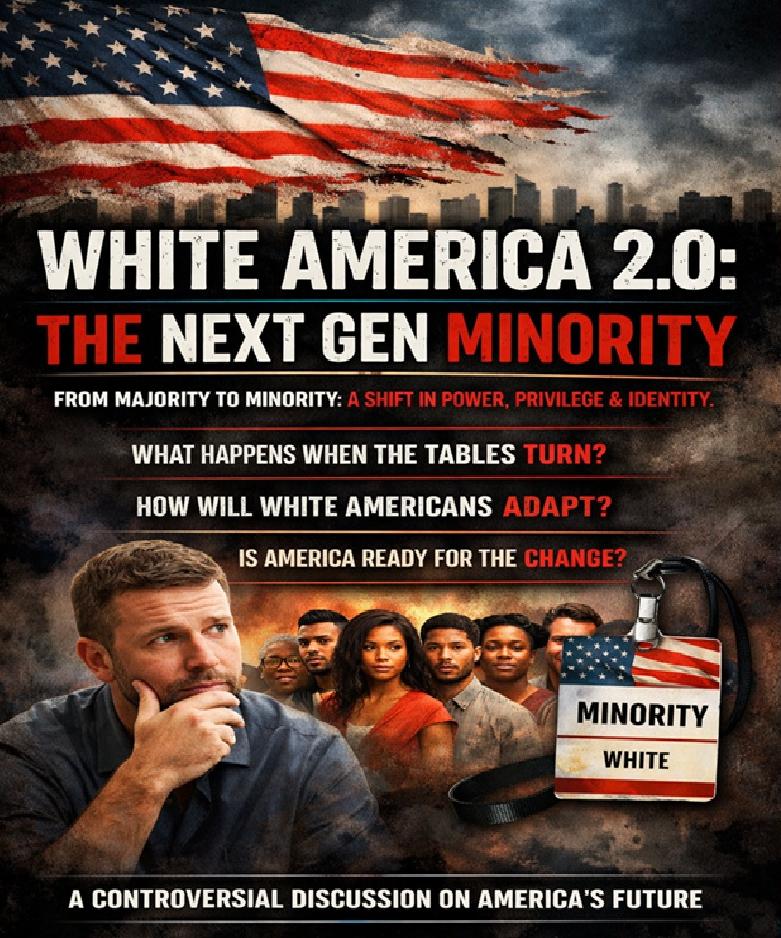
It is about all of us.
And perhaps the most important truth is this: there is no such thing as a pure race. We are all mixed—historically, biologically, culturally. The lines we draw are often far more rigid than reality itself.
The future of America will not be defined by who becomes the majority.
It will be defined by how we treat each other when no one group is

Edmond W. Davis is a social historian, journalist, retired history professor, socioemotional intelligence expert, author of multiple historical texts, Arkansas’s first and only Tuskegee Airmen history textbook, and an international speaker. Davis had a role as a Shelby County Courtroom Jail Deputy on the NBC TV series Bluff City Law. He is a former director of the Derek Olivier Research Institute for the Prevention of Gun Violence. Davis is also the founder of the National HBCU Black Wall Street Career Fest and an Amazon #1 author. Contact him via www.edmondwdavis.com.
(If You Like/Appreciate This EURweb Story, Please SHARE it!)
RELATED NEWS ON EURWEB.COM: Proud Redneck Dixon White Calls Out White America for Benefitting From Racism
Sign Up for Our Free daily newsletter HERE