*Brazilians in Nigeria, Amaros or Agudas, consist of the descendants of freed Afro-Brazilian slaves who left Brazil and settled in the West African states of Benin, Togo, and Nigeria. The term Brazilians in Nigeria can also refer to first-generation expatriates from Brazil.
Starting from the 1830s, many emancipated Africans who had been through forced labour and discrimination in Brazil began moving back to Lagos, Nigeria, bringing along with them some cultural and social sensibilities adapted from their sojourn in Brazil. These freed Africans, often called “Aguda” or “Amaro,” also included returnees from Cuba.
These slaves and slave children absorbed something of the civilization and religion of their Masters, and, in the day of their freedom, they yearned for their homes or the homes of their ancestors and brought back with them the knowledge and Faith acquired abroad. So, in a sense, they were the torchbearers to their homeland and their contributions to the spread of Christianity and the development of the country educationally.
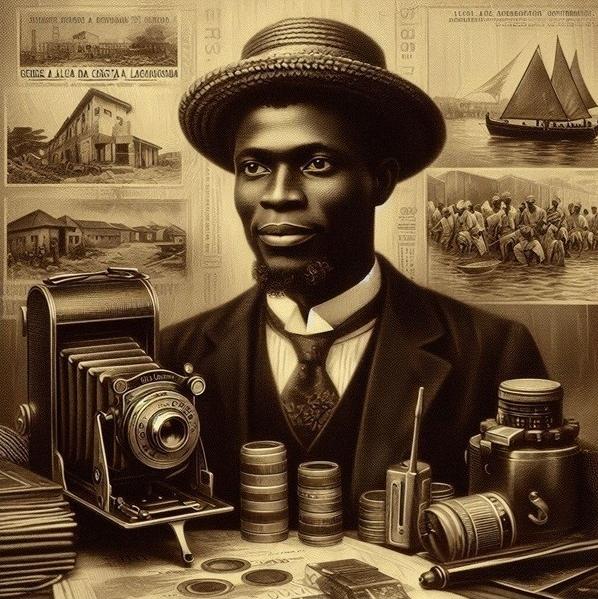
My great-grandmother, Ms Da Costa, who was was daughter of George S. A. Da Costa (1853–1929), was the mother of Robert Augustus Abosede’s my grandfather. Da Costa means “from the Coast”. George S. A. Da Costa was a famous and best-known Nigerian photographer and artist known for taking pictures for colonial government projects. He was born in Lagos Kingdom, then a part of the Oyo Empire, and I vividly remember my mother mentioning that her father, my grandfather’s heritage originally from Oyo and settled in Lagos.
My great-grandmother, Ms Da Costa, was my grandfather Robert Abosede’s mother. The husband of Ms Da Costa was Baale Abosede, who was an Ifa priest from whose lineage I come and who settled on Lagos Island. An Ifa priest is a diviner and religious practitioner within the Ifa system of the Yoruba people in West Africa.
Scroll to continue reading


Robert Abosede, my grandfather whom I never met, died on May 17, 1959, and was buried on May 19, 1959. He was the father of my late mother, Marcellina Durojaiye Abosede (1934-2022), who married Emmanuel Olushola Fatunla (1933-2025) on August 6, 1960, becoming Mrs. Marcellina Fatunla.
It was while onboard the Booth Line’s SS Hilary, a British steam passenger liner to the U.K. for his studies, that Emmanuel met Marcellina, who was herself, travelling to the U.K. for her Midwifery studies.
Approximately three years later, on August 6, 1960, Emmanuel married Marcellina in Battersea in London, U.K. They had three children in London, namely Edward (Tayo), David (Kayode), and Emmanuel Jr. (Kunle), before moving back to Nigeria in 1965. They had their fourth child, Titi in Nigeria.
Robert Abosede was a member of the Catholic Friendly Society 3619 on Lagos Island.
My mother, his daughter, being a mother of records mentioned to me that her family’s side are of Brazilian origin, and I thus embarked in researching this information I never knew about till later in life. She was very right.
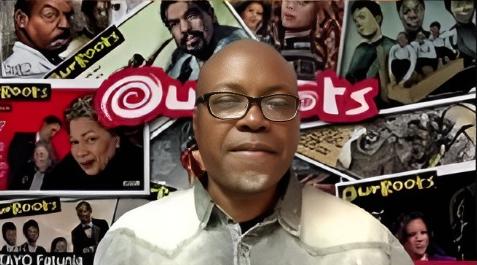
TAYO Fatunla whose work has been featured on MSN.com via EURweb.com is an award-winning British-Nigerian Comic Artist, Editorial Cartoonist, Writer, and Illustrator. He is recipient of the 2018 ECBACC Pioneer Lifetime Achievement Award for his illustrated OUR ROOTS creation and series – Famous people in Black History. TAYO Fatunla is a former cartoonist with some Nigeria news publications and was honoured as the Professional Creative Cartoonist of the year at the 2024 Annual Achievement Recognition Awards, presented by The Building Blocks Initiative in the United Kingdom. TAYO is the illustrator behind the pictorial Black history walk map on a lectern that guides the walk in Camberwell, South East London, U.K. https://www.instagram.com/tfatunla123
MORE NEWS ON EURWEB.COM: STARZ Sets Premiere Date for ‘Magic City: An American Fantasy’ Docuseries on Atlanta’s Legendary Club
We Publish Breaking News 24/7. Don’t Miss Out! Sign up for our Free daily newsletter HERE.