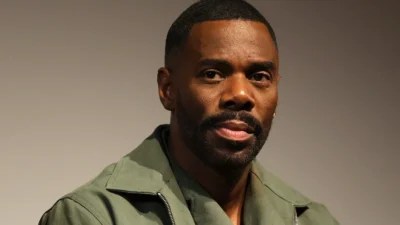
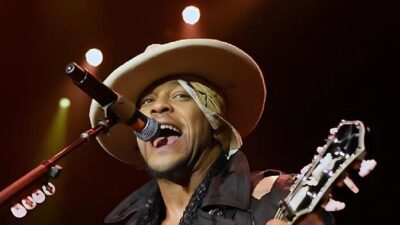
*Nearly five years after his death, legendary comedian and writer Paul Mooney is once again generating conversation thanks to a resurfaced YouTube compilation that combines clips from a televised interview with Geraldo Rivera and excerpts from his signature seated comedy performances. The nearly eight-minute video showcases what made Mooney one of comedy’s most distinctive voices: an ability to make audiences laugh while challenging deeply held beliefs about race, power, and American history.
Rather than presenting a single interview, the compilation interweaves Mooney’s responses to Rivera’s questions with routines that expand on the same themes. The editing highlights how consistent his perspective remained whether he was sitting across from a television host or performing before a live audience.
Turning Geraldo’s Question on Its Head
The video opens with Rivera asking Mooney about criticism that his comedy was racist. Instead of backing away from the accusation, Mooney embraced the opportunity to explain his philosophy.
“I can’t shake it because I’m a victim,” he said, adding that his experiences growing up Black in America shaped both his worldview and his material.
When Rivera pressed him further by asking whether he could be considered racist himself, Mooney delivered one of the defining arguments of his career.
Scroll to continue reading




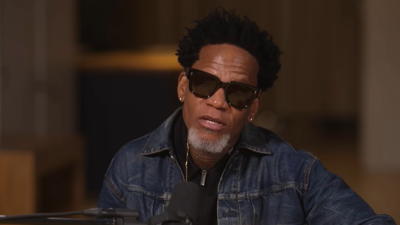




“A Black person can’t be racist by definition,” he said.
Mooney argued that racism isn’t simply about prejudice or offensive language but about the institutional power to dictate where people can live, where they attend school, whether they can vote or how they are treated under the law. He contrasted personal opinions with historical laws that enforced segregation, banned interracial marriage and denied Black Americans basic civil rights.
Rivera pointed to the country’s progress since the Civil Rights Movement, but Mooney remained unconvinced that integration was primarily intended to benefit Black Americans.
“I don’t think integration was for Black people,” he said. “I think that the country did it for the benefit of the country.”
Finding Laughs in Uncomfortable Truths
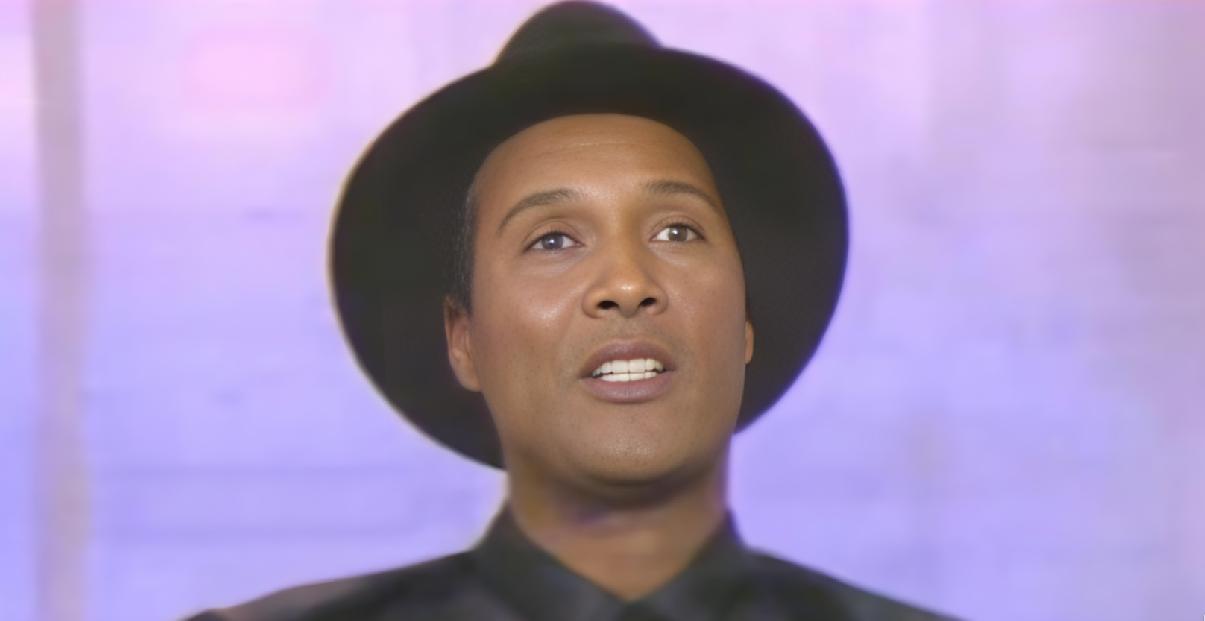
While the interview provides the framework, the comedy clips are what make the compilation unforgettable. Mooney’s trademark style—relaxed, conversational and delivered while seated—allowed him to disarm audiences before landing razor-sharp punchlines.
Throughout the video, he recalls being racially profiled in hotels and airports, transforming frustrating personal experiences into routines that draw booming laughter. His timing is impeccable, often letting a joke linger just long enough before following it with an observation that forces the audience to think about the reality behind the punchline.
Some of the biggest laughs come from his biting commentary on America’s contradictions surrounding slavery and segregation. One moment has audiences roaring as Mooney points out the irony that Black people were once welcomed into white households as enslaved workers but later told they didn’t belong in white neighborhoods.
The humor is bold, sometimes uncomfortable and unmistakably Mooney. Yet even at his most provocative, the jokes are built around a larger social critique rather than shock value alone.
A Legacy That Still Resonates
The compilation also serves as a reminder of Mooney’s lasting influence on American comedy. Beyond his celebrated stand-up career, he was a longtime collaborator with Richard Pryor and helped shape the groundbreaking first season of “In Living Color,” where he created the character “Homie D. Clown,” portrayed by Damon Wayans.
His willingness to address race directly inspired generations of comedians who followed, even if few matched his fearless delivery.
Although the clips are decades old, the themes they explore continue to resonate. Discussions about systemic racism, racial profiling and institutional power remain central to public discourse, helping explain why the compilation continues to circulate across social media and YouTube.
Whether viewers agree with Mooney’s arguments or strongly disagree, the video captures the unique approach that defined his career. He rarely separated comedy from commentary, believing laughter could open the door to conversations many people preferred to avoid.
That combination of humor, confidence and unapologetic honesty is why the resurfaced compilation continues attracting new audiences. Long after the applause faded, Paul Mooney’s greatest gift remains intact: making people laugh while daring them to reconsider the world around them.
(If You Like/Appreciate This EURweb Story, Please SHARE it!)
MORE NEWS ON EURWEB.COM: WE REMEMBER: Comedic Legend Paul Mooney Has Died. He was 79.
We Publish Breaking News 24/7. Don’t Miss Out! Sign up for our Free daily newsletter HERE.